How Techemer Redefines Reliability as a Leading Marine Bearings Manufacturer Since 2008
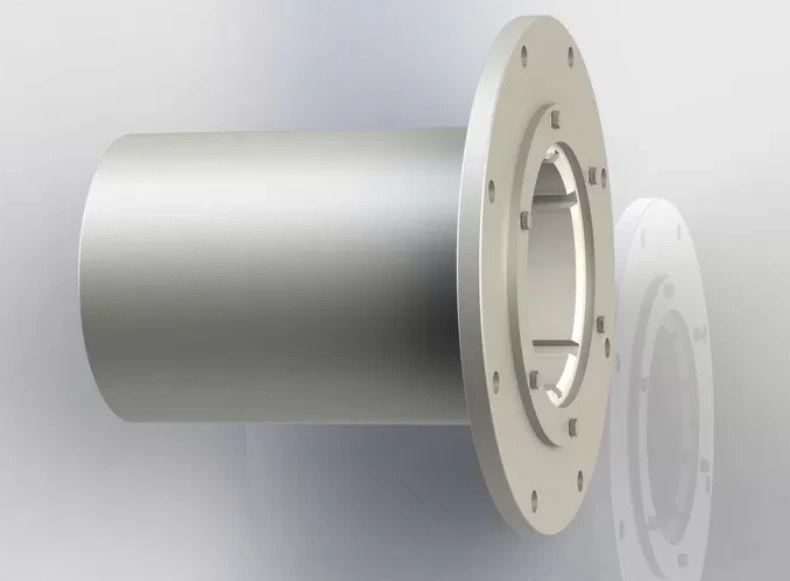
On a ship, almost nothing is more important than the parts nobody sees. A propeller shaft turns for thousands of hours a year, carrying enormous loads through seawater, sand, and temperature swings, and the bearings supporting it must keep up without complaint. When they fail, the cost is not just a replacement part but a dry-dock visit, lost charter days, and a stressed crew. Reliability is therefore the quality shipowners value above all others. Since 2008, Techemer has built its business around that single idea, developing bearing solutions meant to run quietly, wear slowly, and keep vessels earning rather than waiting in port for repairs.
Starting From a Real Problem
Techemer did not begin with a catalog; it began with a problem. Traditional bearing arrangements often relied on oil lubrication, complex seals, and frequent maintenance, and they carried the constant risk of leakage into the water. Operators wanted something simpler, cleaner, and longer lasting. The company set out to develop water-lubricated bearings using advanced polymer materials, aiming to remove oil from the equation while still delivering strong load capacity. That practical starting point shaped everything that followed. Instead of chasing novelty, the team focused on the daily frustrations of engineers and owners, and on building products that quietly solve them year after year.
Seventeen Years of Learning in the Field
Experience is hard to fake in marine engineering. Every harbor, route, and vessel type teaches something new about how bearings behave under real conditions. Muddy rivers, icy waters, tropical heat, and heavy cargo schedules all stress components differently. Over many years, Techemer has gathered field feedback and used it to refine materials, tolerances, and designs. As a marine bearings manufacturer with this kind of history, the company can explain not only what its products do but why certain choices were made. That depth of understanding gives naval architects and fleet managers something valuable: confidence that the design has already survived situations they are worried about.
Material Choices That Support Longevity
Reliability starts with material. Techemer’s bearings use specially formulated polymer alloys designed to resist wear, handle shock loads, and perform in water-lubricated conditions. The material must stay stable in both warm and cold seas, resist swelling, and tolerate the occasional grit that finds its way into any stern tube. Careful formulation allows the surface to wear evenly instead of failing suddenly. For operators, this predictable wear pattern is a major advantage, because it allows maintenance to be planned rather than forced by surprise. A bearing that ages gracefully makes scheduling dry-docks, budgets, and spare parts far easier to manage across a fleet.
Quality Control From Raw Material to Delivery
A bearing is only as dependable as the process that makes it. Techemer applies structured quality procedures at each stage, from checking incoming materials to inspecting dimensions and surface finish before shipment. Consistent tolerances matter, because a bearing that is slightly off can wear unevenly or create vibration that spreads through the shaft line. Documented inspections also give buyers traceability, which classification societies and shipyards increasingly expect. By treating quality as a routine discipline rather than a last-minute check, the company reduces variation between batches. That consistency means a replacement bearing ordered years later behaves like the original, which is exactly what maintenance planners hope for.
Support That Continues After Delivery
Even the best bearing needs good advice at installation and over its working life. Techemer supports customers with technical guidance on selection, fitting, and operating conditions, helping crews avoid common mistakes such as incorrect clearances or poor alignment. When questions arise months later, engineers can discuss wear readings and suggest sensible next steps. This ongoing relationship matters for fleets with different vessel types and varied routes, because each setting needs slightly different thinking. Clear communication and honest answers build trust faster than marketing claims, and they help owners feel that their supplier is genuinely invested in the performance of every ship that carries its components.
Why Reliability Becomes a Competitive Edge
For shipowners, reliable components translate directly into money. Fewer unplanned stops mean better schedules, happier charterers, and lower repair spending. Cleaner, oil-free systems also reduce environmental risk and regulatory worry. Techemer’s long focus on dependable water-lubricated technology has made it a familiar name among operators who want predictable operation. Reliability may not sound exciting, but over a ship’s long service life it is what separates a smooth operation from a troublesome one. By continuing to refine its products and listen to customers, Techemer shows that redefining reliability is not a single achievement but a habit maintained year after year.






Post Comment