How Much Do Wreckers Pay for Cars Compared to Private Buyers?
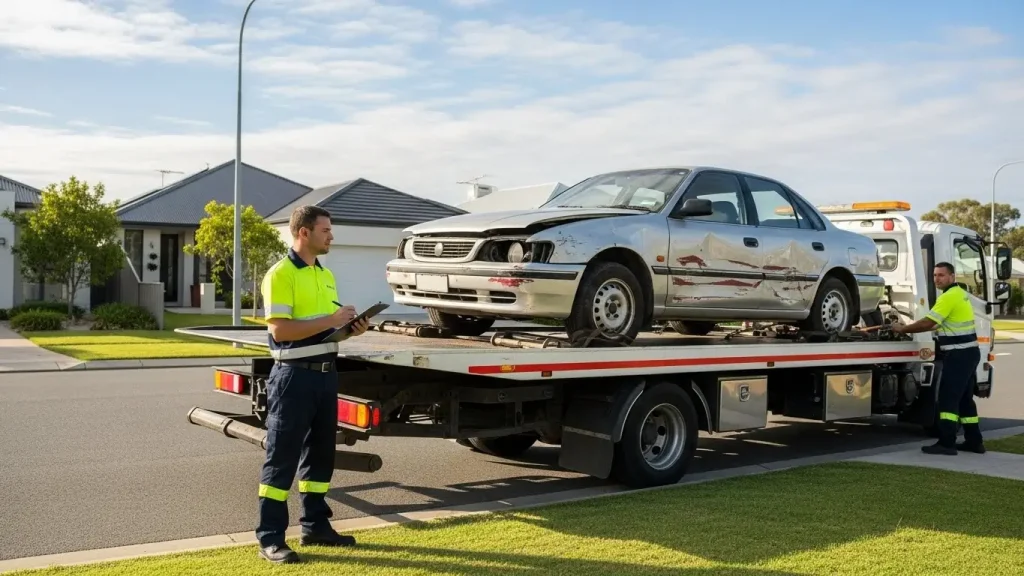
If you’ve got an old vehicle gathering dust in the driveway, you’ve probably already started weighing up your options. Sell it privately and squeeze out every last dollar? Or call a wrecker and get it gone by Friday? It’s a genuinely important financial decision, and the answer varies more than most people realise. For anyone looking into wreckers buying cars in Adelaide, the local market is active, well-priced, and depending on your vehicle’s condition potentially more lucrative than a private sale. Understanding how each buyer type values a car is the key to making the right call.
How Wreckers Arrive at Their Price
The first thing to understand about wreckers is that they don’t see your car the way a private buyer does. Where a private buyer imagines themselves behind the wheel, a wrecker mentally dismantles the vehicle the moment they lay eyes on it. To them, your old sedan is a sum of individual parts an engine, a gearbox, a set of doors, a catalytic converter, copper wiring, and a tonne or so of recyclable steel and aluminium.
That perspective drives everything about the offer they make. Their quote is essentially a wholesale calculation: what can they realistically recover by selling the usable parts and processing the scrap metal, minus their overheads for towing, storage, labour, and dismantling? The profit margin sitting between those two figures is what determines how much ends up in your hands.
Several variables shape that calculation:
Make and Model: Popular everyday vehicles like Toyota Corollas, Mazda 3s, Ford Rangers, and Holden Commodores attract stronger wrecker offers because the parts market for these models is wide and consistent. There are always backyard mechanics, panel beaters, and fellow wreckers looking for affordable secondhand components from high-volume Australian models. A rare European import or an obscure variant might have individually valuable parts, but the pool of potential buyers for those components is smaller, which can work against you.
Mechanical Condition: A car that still starts and runs commands a noticeably higher offer than one that’s seized, flooded, or missing its drivetrain. The engine and gearbox are among the most valuable components a wrecker can pull from any vehicle. If those are intact and functional, the quote reflects that. If the motor is cooked, the offer drops to scrap metal value plus whatever body parts remain sellable.
Completeness: Wreckers price a vehicle assuming it’s whole. If the catalytic converter has been stripped, the alloy wheels swapped for steelies, or the airbags deployed and not replaced, expect the offer to be revised accordingly. Those components carry real resale value, and their absence is always noticed during inspection.
Vehicle Size and Weight: Larger vehicles utes, SUVs, vans, and light trucks typically attract stronger offers simply because they contain more metal. Scrap is priced by weight, so a heavy 4WD will almost always outperform a small hatchback on scrap value alone, even if both are in identical condition.
Scrap Metal Market Conditions: The price of steel, aluminium, and copper fluctuates with global commodity markets, and those movements flow directly into wrecker offers. When metal prices are strong, wreckers can afford to be more generous. When markets soften, offers tighten. It’s worth keeping an eye on the broader market if you’re not in a rush to sell.
How Private Buyers Value the Same Car
Switch to the private buyer’s perspective and the entire valuation framework changes. A private buyer is making a lifestyle and transport decision. They’re imagining the school run, the weekend trip to Victor Harbour, the daily commute. They care about how the car presents, how it drives, whether the air conditioning works, when it was last serviced, and how it stacks up against the other dozen listings they’ve bookmarked on Carsales this week.
For a vehicle in genuinely good shape reasonable kilometres, clean interior, sound mechanicals, and presentable exterior a private sale will almost always produce the highest return. There’s no middleman margin being subtracted. The buyer is paying retail, not wholesale.
But that premium comes with conditions and costs that sellers often underestimate. A private sale demands:
Time: Listing, fielding enquiries, arranging multiple inspections, negotiating with tyre-kickers, and waiting for finance to be approved can stretch over weeks or months. Not everyone has that bandwidth.
Presentation: Private buyers expect a clean, honest presentation. A vehicle that hasn’t been detailed, has a cracked windscreen, or smells of cigarettes will be discounted heavily or passed over entirely.
Roadworthy Requirements: Depending on the circumstances of the sale and the buyer’s expectations, a roadworthy certificate may be needed, which means genuine repair costs before the sale is finalised.
Advertising Costs: Premium listings on the major platforms aren’t free, and getting noticed in a crowded market often requires spending money upfront.
Personal Security: Inviting strangers to your home for test drives is an underappreciated inconvenience, particularly if you’re selling from a residential address.
For a car that ticks all the right boxes, those friction points are worth tolerating. For a vehicle that is ageing, mechanically compromised, or simply not presentable, the private sale path is a frustrating and often fruitless exercise.
Where Wreckers Have the Clear Advantage
There’s a broad category of vehicles where wreckers don’t just compete with private buyers they win outright. Any car that is non-running, unregistered, accident-damaged, structurally compromised, heavily rusted, or beyond economic repair is essentially invisible to private buyers. No amount of honest copywriting on Marketplace will attract a genuine buyer for a car that needs $4,000 in repairs to pass a safety check.
Wreckers, by contrast, will make a concrete offer on that same vehicle, often on the same day you call. They don’t need it to be roadworthy. They don’t need it to start. They’ll tow it from your driveway, hand you cash on the spot, and handle every piece of administrative paperwork involved in the transfer. For vehicles in this category, the wrecker offer isn’t a compromise it’s the only realistic path to any return at all.
This is also where old car removal Adelaide becomes particularly relevant. When a vehicle is no longer practical to sell through conventional channels, professional removal services offer a genuinely complete solution. You ring, you describe the car honestly, you receive a quote, you accept, and a tow truck arrives at a time that suits you. The cash is paid on collection. The registration is cancelled. The vehicle is gone. The entire process, from first phone call to cleared driveway, can be completed within 24 hours with the right operator.
When Private Beats Wreckers Every Time
To give a fair picture, there are clear scenarios where pursuing a private sale is the financially smarter move sometimes significantly so.
A well-maintained, roadworthy vehicle under ten years old with a full service history and below-average kilometres is worth advertising privately. The effort invested in a quality listing, good photographs, and patient negotiation can yield a return that comfortably exceeds a wrecker’s offer. The gap between what a private buyer will pay for a desirable used car and what a wrecker will offer for the same vehicle can be substantial potentially thousands of dollars.
Similarly, vehicles with strong cult followings or high collector appeal classic Australian muscle cars, low-production variants, sought-after Japanese imports are almost always better served through enthusiast channels, specialised auction houses, or targeted community forums rather than the standard cash-for-cars market.
The simple rule of thumb: the closer a vehicle is to roadworthy, the more a private sale is worth pursuing. The further it drifts from that standard, the more a wrecker’s no-questions, same-day offer begins to make financial and practical sense.
Getting the Best Outcome Regardless of Which Path You Choose
Whether you go with a wrecker or a private buyer, a few principles apply universally.
Get multiple quotes before committing: Adelaide’s wrecking industry is competitive. Different operators have different inventory needs, different parts markets they service, and different overhead structures. Two wreckers assessing the same vehicle can arrive at meaningfully different figures. Gathering at least three quotes before accepting any offer gives you a realistic market picture and genuine negotiating leverage.
Be honest about your vehicle’s condition: This matters more than most sellers appreciate. Wreckers inspect every vehicle on arrival, and if the description doesn’t match reality, they’ll revise the offer on the spot after you’ve already arranged for the tow and cleared your schedule. Accurate upfront descriptions lead to accurate quotes and no unpleasant last-minute surprises.
Confirm everything is included in the quoted price: Reputable operators include towing at no charge. Some less scrupulous outfits quote an attractive headline figure, then subtract a towing fee once you’ve agreed. Always ask explicitly whether the quote is all-inclusive before you accept.
Verify the wrecker is licensed: In South Australia, legitimate vehicle buyers operate under a Licensed Motor Car Trader licence or equivalent authorisation. A licensed operator provides a paper trail, handles disposal responsibly under environmental guidelines, and gives you legal protection if any issue arises after the sale.
Know which components add the most value: If you’re negotiating with a wrecker, mentioning specific high-value components in good condition a recently replaced catalytic converter, a low-kilometre engine, a functioning gearbox can shift the final offer in your favour. These are the components that drive wrecker profitability, and highlighting them signals that you understand the market.
The Bottom Line
Wreckers and private buyers are solving different problems for different sellers. Private buyers want a car they can drive; wreckers want a car they can strip, process, and profit from. Neither is inherently better the right choice depends almost entirely on the condition and appeal of your specific vehicle.
For a tidy, reliable, presentable car, a private sale will almost certainly produce a higher return, provided you’re willing to invest the time and effort the process demands. For anything old, damaged, non-running, or simply past the point where private buyers will look twice, wreckers offer something the private market cannot a guaranteed, same-day, cash-in-hand outcome with zero preparation required on your part.
Adelaide’s wrecking market is established, competitive, and increasingly professional in how it operates. Shop around, be straight about what you’re selling, and you’ll find that converting an unwanted vehicle into immediate cash is considerably more straightforward and more rewarding than most people expect.





Post Comment