How Modern Car Disposal Practices Reduce Landfill Waste
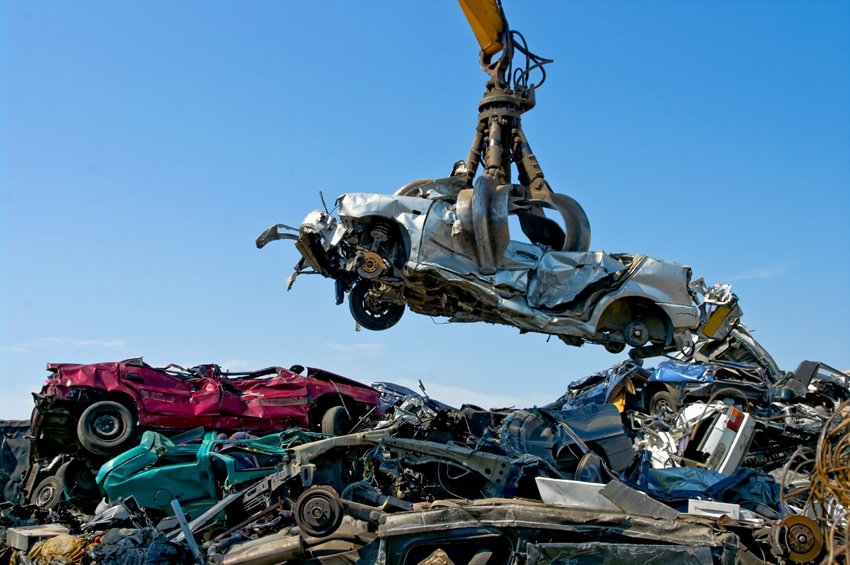
Old vehicles reach the end of their road life for many reasons. Some suffer damage beyond repair. Others stop working due to age or missing parts. When these vehicles are not handled properly, they can become a burden on landfills and the environment.
Modern car disposal methods focus on recovering materials, separating waste, and reducing what ends up buried in landfill sites. These practices support cleaner land use and reduce pressure on waste systems.
Understanding Modern Car Disposal Practices
Car disposal today follows a structured process that separates vehicles into different material groups. Each group is treated in a way that supports reuse or recycling.
A typical process includes removal of fluids, dismantling of usable parts, sorting of metals, and safe handling of hazardous materials. Steel, aluminium, copper, glass, and plastic parts are separated for further processing.
Vehicles are not treated as single waste units. They are treated as material sources.
Why Vehicle Waste Becomes a Landfill Problem
Vehicles contain a mix of materials that do not break down in natural conditions. Steel frames take a long time to degrade. Plastics remain in soil for long periods. Fluids such as engine oil and coolant can contaminate ground layers.
One abandoned car can contain:
- Several hundred kilograms of steel
- Multiple litres of engine oil
- Lead acid batteries
- Plastic interior components
- Rubber tyres
When these materials enter landfill sites without processing, they occupy space and affect soil quality. Some materials also release harmful substances over time.
Removal of Hazardous Fluids
A major step in car disposal involves draining fluids before dismantling. These fluids include engine oil, transmission oil, brake fluid, coolant, and fuel.
Each fluid is stored and sent for treatment or reprocessing. Engine oil can often be refined and used again after treatment. Coolant may also be processed under controlled systems.
This step prevents leakage into soil and water systems.
Dismantling and Material Separation
After fluid removal, vehicles are dismantled into parts. This process includes removal of engines, gear systems, doors, seats, wiring, and panels.
Parts are sorted into groups based on material type. Metals go into one stream, plastics into another, and electronics into separate handling areas.
Reusable components such as alternators, radiators, and starter motors may be collected for reuse in other vehicles. This reduces demand for newly manufactured parts.
Metal Recycling from Old Vehicles
Steel forms a large portion of a vehicle. Once separated, steel parts are sent to recycling facilities where they are melted and reshaped into new products.
Aluminium from engine blocks and wheels is also recovered. Aluminium recycling requires less energy compared to producing new aluminium from raw ore.
Copper from wiring systems is another valuable material. It is separated and processed for reuse in electrical systems and construction materials.
This recycling cycle reduces the need for raw mining activity and lowers pressure on landfill sites.
Visit this page to explore truck removal services in Adelaide: https://www.carremovaladelaide.com.au/cash-for-truck-adelaide/
Tyre and Rubber Recovery
Tyres contain rubber, steel, and synthetic fibres. These materials do not break down easily in landfill environments.
Modern disposal practices involve shredding tyres and separating their components. Rubber is used in road construction materials, sports surfaces, and industrial mats. Steel wire is recovered and sent to metal recycling streams.
This process reduces the number of tyres stored in landfill areas and supports reuse of rubber-based materials.
Battery Processing and Safe Handling
Car batteries contain lead, acid, and plastic casing. These materials require controlled handling due to their chemical nature.
Lead from batteries is recovered and reused in new batteries. Plastic parts are recycled into new plastic products. Acid is neutralised or processed under regulated systems.
Without this treatment, batteries can release harmful substances into soil and water.
Glass and Interior Material Recycling
Vehicle windows and windshields are processed separately. Glass can be crushed and used in road base material or new glass production.
Interior parts such as seat foam, carpets, and dashboards are sorted based on material composition. Some plastics are reprocessed into industrial items. Foam materials may be converted into padding or insulation products.
These steps reduce the volume of non-recyclable waste.
Reduction of Landfill Pressure
Modern disposal systems reduce landfill use by recovering a large portion of vehicle materials. A significant share of a car can be recycled or reused instead of being dumped.
Steel, aluminium, copper, plastics, and rubber all re-enter production cycles. This reduces demand for new raw materials and lowers environmental strain from extraction processes.
Landfill sites receive fewer bulky vehicle bodies, which helps manage available space more effectively.
Environmental Outcomes of Structured Disposal
Controlled car disposal supports cleaner soil conditions by reducing fluid leakage and hazardous waste entry into landfill zones.
Air quality benefits also arise from reduced need for raw material production. Recycling metals uses less energy compared to mining and refining new ores.
Water systems face lower risk of contamination due to proper fluid treatment and battery handling.
These combined effects create a lower environmental load from end-of-life vehicles.
Role of Regulation in Vehicle Disposal
Vehicle disposal in Australia follows rules that guide how materials are handled. These rules require proper treatment of hazardous substances and encourage recycling practices.
Licensed facilities follow structured processes for dismantling and material recovery. This ensures vehicles are processed under controlled conditions rather than being abandoned or dumped.
Link Between Disposal Practices and Resource Recovery
Modern systems view old vehicles as material sources rather than waste. Each vehicle contains recoverable metals and components that can return to production cycles.
This approach reduces pressure on mining operations and supports material reuse industries. It also reduces the volume of waste directed to landfill areas.
Service Example in Adelaide
Car disposal systems also operate through service networks that manage end-of-life vehicles across different regions. One such service approach includes handling collection, dismantling, and recycling coordination for unwanted vehicles.
A local example is the service provided through car disposal adelaide by Car Removal Adelaide, where vehicles are collected and processed through structured dismantling and recycling steps. This type of service helps ensure that usable materials are recovered while reducing the amount of vehicle waste entering landfill sites in the region.
Conclusion
Modern car disposal practices focus on separating materials, recovering metals, treating hazardous substances, and reducing landfill pressure. Each stage of the process contributes to lowering environmental impact from end-of-life vehicles.
The combination of recycling, reuse, and controlled handling of vehicle components creates a system where fewer resources are wasted and landfill growth is reduced.





Post Comment