How Customized Employee Uniforms Improve Team Unity
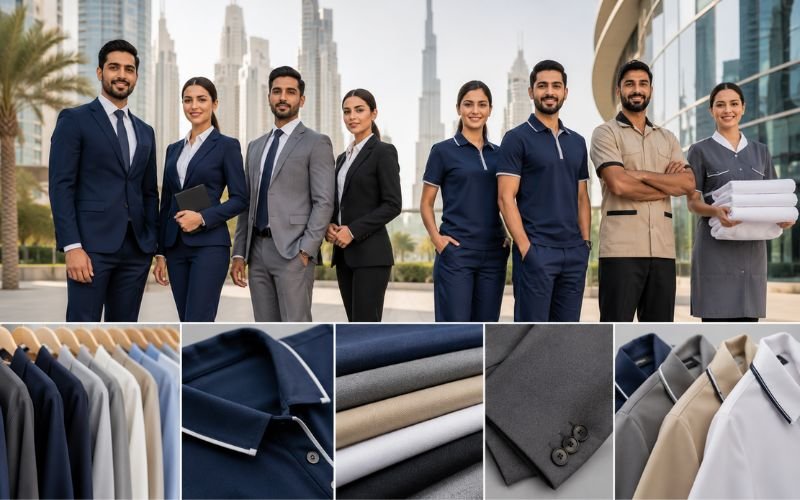
Walk into two workplaces. In one, employees wear whatever they prefer. In the other, staff members wear well-designed customized employee uniforms that reflect their role and company identity.
The difference is often visible within minutes.
People tend to interact differently when they feel part of a team. Over the years of working with organizations across retail, hospitality, logistics, healthcare, and corporate environments, I’ve noticed that uniforms rarely solve workplace culture problems on their own. What they do is reinforce positive culture when it already exists and help create a stronger sense of belonging when implemented correctly.
The best uniform programs are not about clothing. They are about identity.
Why Team Unity Matters More Than Most Companies Realize
Many businesses focus heavily on hiring, training, and performance management while overlooking smaller factors that influence employee behavior every day.
Team unity affects:
- Internal communication
- Collaboration between departments
- Employee confidence
- Workplace professionalism
- Customer perception
- Staff retention
When employees feel connected to a shared purpose, they are generally more willing to support coworkers, represent the company positively, and maintain workplace standards.
Uniforms become one visible symbol of that shared purpose.
Customized Employee Uniforms Create a Shared Identity
One of the most immediate effects of customized employee uniforms is the removal of visual divisions between individuals.
Without a uniform standard, clothing often reflects personal style, spending habits, and social differences. While individuality has value, these visible distinctions can sometimes create unintended barriers within teams.
A uniform shifts attention away from personal appearance and toward collective goals.
In hospitality environments, for example, employees from different backgrounds and departments often work under significant pressure. When everyone wears coordinated uniforms with consistent branding, employees are more likely to see themselves as members of the same team rather than separate individuals performing isolated tasks.
That psychological shift is often underestimated.
The “We’re All Representing the Same Brand” Effect
Employees wearing branded uniforms become more aware that they represent the organization.
This often influences behavior in subtle ways:
- Greater accountability
- Improved punctuality
- More professional interactions
- Better teamwork during busy periods
I’ve seen retail teams become noticeably more coordinated after introducing new uniforms. The training process remained the same. Management stayed the same.
The visible team identity changed.
That alone altered how employees interacted with one another.
Consistency Helps Reduce Workplace Hierarchies
Many companies unintentionally create divisions between departments.
Sales teams dress one way. Operations teams dress another. Customer service teams look completely different. Over time, these distinctions can reinforce an “us versus them” mindset.
Well-designed corporate team uniforms help bridge these gaps.
This doesn’t mean every employee must wear identical clothing. Different roles often require different functionality. Warehouse staff need durability. Receptionists may require a more formal appearance. Field technicians need mobility and safety features.
The goal is maintaining a consistent brand identity across all departments.
When employees feel they belong to the same organization rather than separate groups, collaboration tends to improve naturally.
Uniforms Help New Employees Integrate Faster
Starting a new job can feel intimidating.
New hires are trying to learn systems, understand expectations, and build relationships with coworkers simultaneously.
Customized employee uniforms remove one source of uncertainty immediately.
New employees know exactly what to wear. They instantly look like part of the team. Customers can identify them easily, and coworkers recognize them as members of the organization.
This might sound like a small detail.
It isn’t.
Several managers I’ve worked with have reported that new hires often feel more comfortable during their first weeks after receiving uniforms on day one rather than later in the onboarding process.
The uniform serves as an early signal of inclusion.
First Impressions Matter Internally Too
Businesses often focus on customer impressions while overlooking employee impressions.
The first day experience shapes how employees perceive company culture.
A professional uniform package presented during onboarding communicates preparation, organization, and investment in staff members.
Employees notice these things.
Customized Employee Uniforms Encourage Equal Participation
One practical advantage of uniforms is the reduction of appearance-related distractions.
Without standardized attire, employees may compare clothing choices, brands, or personal style differences.
Uniforms create a more level playing field.
This can be especially valuable in industries employing large, diverse workforces.
The objective isn’t removing individuality completely. The objective is reducing unnecessary differences that can affect workplace dynamics.
One observation from years in this industry: employees rarely complain about wearing uniforms when the uniforms are comfortable and functional. Most complaints arise when organizations prioritize appearance while ignoring comfort.
Comfort matters more than many decision-makers realize.
The Role of Corporate Team Uniforms in Cross-Department Collaboration
Large organizations frequently struggle with communication between departments.
A customer issue may involve reception, operations, logistics, and management teams.
When departments identify with separate groups rather than a unified organization, cooperation often becomes slower.
Corporate team uniforms help reinforce company-wide identity.
This is particularly noticeable during events, conferences, exhibitions, and large-scale operations where multiple departments work together.
Employees become visually connected under one brand.
That shared representation often encourages more collaborative behavior.
Common Uniform Mistakes That Hurt Team Unity
Not all uniform programs improve culture.
Some actually create frustration.
Ignoring Employee Feedback
One of the biggest mistakes businesses make is selecting uniforms without consulting employees.
Management may prioritize aesthetics while employees prioritize practicality.
The result:
- Poor adoption
- Low satisfaction
- Frequent complaints
- Reduced morale
Employees who wear uniforms daily should have input during the selection process.
Creating Visible Status Differences
Some companies unintentionally design uniforms that emphasize hierarchy.
Excessive differences between management and staff attire can reinforce workplace divisions.
Role distinctions may be necessary, but the overall visual identity should still communicate that everyone belongs to the same organization.
Choosing Style Over Function
Uniforms that look impressive in a boardroom presentation often perform poorly in real work environments.
I’ve seen businesses order uniforms that appeared excellent in samples but became uncomfortable after eight-hour shifts.
Employees quickly lose enthusiasm when uniforms restrict movement, trap heat, or wear out prematurely.
Function should always come before appearance.
Building Pride Through Uniform Design
The strongest uniform programs create genuine employee pride.
This usually happens when organizations focus on:
Quality Materials
Employees notice quality immediately.
Comfortable fabrics and durable construction communicate that the company values its workforce.
Proper Fit Options
A single fit rarely works for everyone.
Providing multiple sizing and fit choices helps employees feel respected and comfortable.
Meaningful Branding
Subtle branding often performs better than oversized logos.
Employees generally prefer uniforms that look professional rather than promotional.
A good uniform should represent the brand without feeling like a walking advertisement.
Team Unity Extends Beyond the Workplace
An interesting effect of customized employee uniforms is what happens outside work.
Employees often recognize coworkers more easily during company events, training sessions, volunteer activities, and community programs.
This familiarity strengthens workplace relationships.
Over time, stronger relationships frequently translate into better teamwork, improved communication, and a more positive work environment.
The uniform itself isn’t creating these relationships.
It’s supporting them.
Practical Takeaway
Before investing in customized employee uniforms, ask a simple question: “Will employees actually want to wear this every day?”
If the answer is no, redesign the program.
The most effective corporate team uniforms are comfortable, functional, consistent with the company brand, and developed with employee input. When those elements come together, uniforms become more than clothing. They become a visible reminder that every employee is working toward the same goal as part of the same team.
FAQs
1. How do customized employee uniforms improve teamwork?
Customized employee uniforms create a shared identity among staff members, helping employees feel connected to the organization and each other. This often improves communication, cooperation, and accountability.
2. Are uniforms suitable for office-based corporate teams?
Yes. Many companies use corporate team uniforms in office environments through coordinated shirts, polos, blazers, or business attire that maintains a professional and consistent appearance.
3. Do uniforms increase employee morale?
They can when designed properly. Comfortable, well-fitting uniforms often increase confidence and belonging. Poor-quality uniforms usually have the opposite effect.
4. Should employees be involved in uniform selection?
Absolutely. Employee feedback helps ensure the uniforms meet practical needs and encourages greater acceptance after implementation.
5. How often should companies update employee uniforms?
Most organizations review uniforms every two to five years, depending on wear, branding updates, operational requirements, and employee feedback.




Post Comment