How Can Businesses Improve Their International Supply Chain?
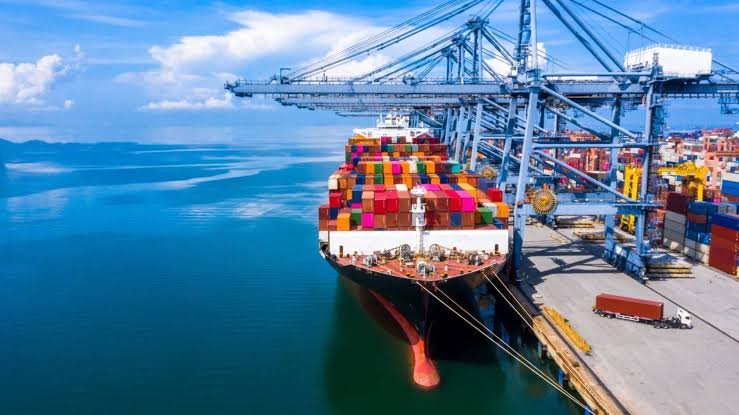
Running a business that relies on international trade means dealing with a lot of moving pieces, from suppliers overseas to shipping companies, customs authorities, and final delivery to customers. When one part of this chain doesn’t work well, it can create problems that ripple through the entire operation. Improving your international supply chain isn’t just about fixing problems when they happen, it’s about building a system that works smoothly on a consistent basis.
This article looks at practical ways businesses can strengthen their international supply chains, reduce risks, and operate more efficiently.
Why Supply Chain Improvement Matters
A well managed supply chain directly affects a business’s bottom line. Delays, unexpected costs, and poor communication between partners can all eat into profits and damage relationships with customers. On the other hand, businesses with strong, well organized supply chains tend to have better control over costs, more predictable delivery times, and fewer surprises overall.
Given how connected today’s global trade networks are, even small improvements in how a supply chain operates can lead to meaningful benefits over time.
Key Areas to Focus On for Supply Chain Improvement
Let’s look at several important areas businesses can focus on to strengthen their international supply chains.
1. Build Strong Relationships with Suppliers
Your supply chain starts with your suppliers, so building strong, reliable relationships with them is an important foundation. This means clear communication about expectations, consistent quality standards, and realistic production timelines.
Consider working with multiple suppliers when possible, rather than relying entirely on a single source. This reduces risk if one supplier faces unexpected problems, such as production delays or quality issues.
2. Choose the Right Freight Forwarding Partner
Your freight forwarder plays a central role in how smoothly your goods move internationally. Choosing an experienced, reliable partner can make a significant difference in avoiding delays, managing documentation properly, and finding cost effective shipping solutions.
Take time to evaluate potential partners based on their experience with your specific type of goods, their network of connections, and their track record with businesses similar to yours.
3. Improve Documentation Processes
Since documentation errors are one of the most common causes of shipping delays, creating a consistent, organized process for preparing shipping documents can prevent a lot of unnecessary problems. This might include using standardized templates, double checking information before submission, and keeping clear records of past shipments for reference.
4. Diversify Shipping Routes and Methods
Relying entirely on a single shipping route or transport method can leave your business vulnerable if that particular route faces disruptions, whether from port congestion, weather events, or other unexpected issues. Exploring alternative routes or combining different transport methods, like using multimodal transportation, can add flexibility to your supply chain.
5. Use Technology to Track Shipments
Modern tracking tools give businesses real time visibility into where their shipments are at any point in the journey. This kind of visibility allows for quicker responses if something looks off, rather than discovering a delay only after it’s already caused significant problems.
Many freight forwarders offer tracking platforms as part of their service, so it’s worth asking what tools are available when choosing a logistics partner.
6. Plan for Seasonal Demand Changes
Many businesses experience predictable spikes in demand during certain times of the year, whether that’s due to holidays, seasonal products, or specific industry cycles. Planning shipments in advance of these busy periods helps avoid the congestion and higher costs that often come with last minute bookings during peak seasons.
7. Build Buffer Time into Your Planning
Even with careful planning, some delays are simply unavoidable due to factors outside your control. Building extra time into your supply chain planning, rather than operating with extremely tight timelines, gives you room to absorb minor disruptions without major consequences to your business.
8. Consider Bonded Warehousing for Flexibility
For businesses dealing with uncertain demand or planning to distribute goods to multiple markets, bonded warehousing can offer valuable flexibility by delaying duty payments until goods are ready for local release or re-export. This can improve cash flow and give businesses more control over their inventory decisions.
9. Regularly Review and Assess Your Supply Chain
Supply chains aren’t something you set up once and forget about. Regularly reviewing your processes, from supplier performance to shipping costs and delivery times, helps identify areas that need improvement before small issues turn into bigger problems.
Consider setting up periodic reviews with your logistics partners to discuss what’s working well and where adjustments might help.
10. Invest in Strong Communication Systems
Since international supply chains often involve multiple parties across different countries and time zones, clear communication systems are essential. This might mean setting up regular check ins with key partners, using shared platforms for tracking shipment status, or simply making sure everyone knows who to contact when questions come up.
Common Supply Chain Challenges and How to Address Them
Beyond the general improvement strategies above, it helps to understand some specific challenges businesses commonly face and how to address them.
Inconsistent Lead Times
If shipping times vary unpredictably, it becomes difficult to plan inventory effectively. Working closely with your freight forwarder to understand realistic timelines, and building in buffer time, can help manage this uncertainty.
Rising Shipping Costs
Shipping costs can fluctuate due to fuel prices, demand, and global events. Comparing rates across different providers periodically, and considering multimodal options, can help manage these fluctuations more effectively.
Customs Delays
Frequent customs delays often point to documentation issues or a lack of familiarity with specific country requirements. Working with an experienced customs broker or freight forwarder who understands your specific trade routes can reduce this problem significantly.
Limited Visibility
Without proper tracking, it’s hard to know where problems are occurring in your supply chain. Investing in tracking tools and maintaining open communication with logistics partners helps improve visibility across the entire process.
The Role of Experienced Logistics Partners
One of the most effective ways to improve an international supply chain is by working with experienced logistics partners who understand the complexities involved in global trade. A knowledgeable freight forwarder can help identify inefficiencies, suggest better shipping routes, manage documentation properly, and provide guidance on options like bonded warehousing or multimodal transportation that might not have been considered otherwise.
This kind of partnership often becomes even more valuable as a business grows and its shipping needs become more complex, requiring more sophisticated planning and coordination.
Final Thoughts
Improving an international supply chain isn’t about making one big change. It usually comes down to a combination of smaller improvements across different areas, from strengthening supplier relationships to choosing the right shipping partners and building better communication systems throughout the process.
Businesses that take the time to regularly review and improve their supply chain processes tend to see real benefits over time, including more predictable costs, fewer delays, and stronger relationships with both suppliers and customers. Companies like Noble Line Logistics LLC work with businesses to identify opportunities for improvement across their international shipping processes, helping build more efficient and reliable supply chains.
If your business has been dealing with recurring supply chain challenges, it’s worth taking a closer look at where improvements could be made, whether that’s through better documentation practices, diversified shipping routes, or simply working with a more experienced logistics partner.





Post Comment