How Adelaide Is Changing the Way Scrap Cars Are Recycled
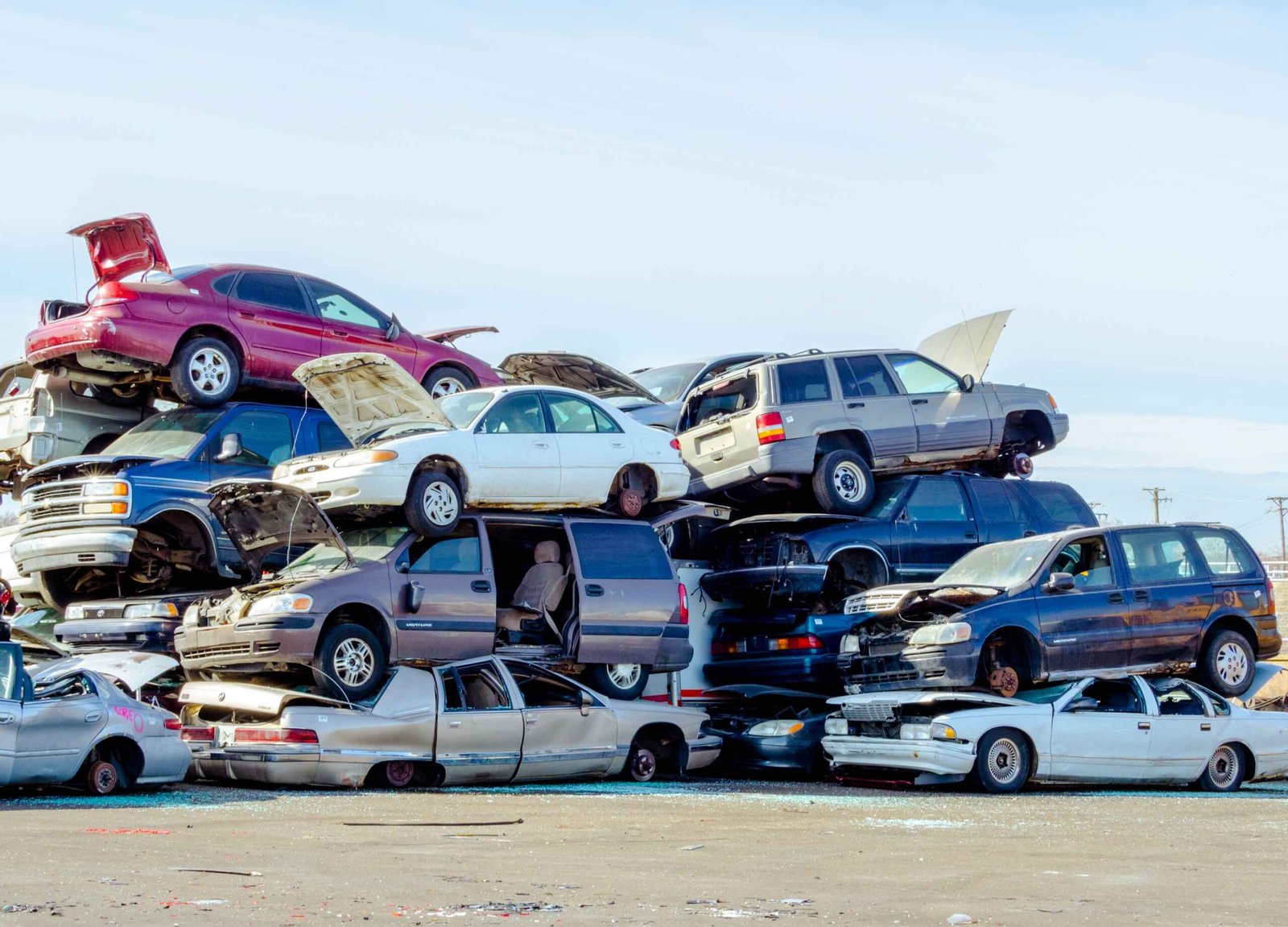
Adelaide is seeing changes in the way old and unwanted cars are handled. A scrap car is not simply a vehicle that has reached the end of its road life. It contains steel, aluminium, copper, glass, rubber, plastics and other materials that can enter another production cycle.
When these materials are recovered, less waste is sent to landfill and fewer new raw materials are needed. The recycling process also gives old vehicles a useful place in the wider recycling system.
The way scrap cars are handled in Adelaide is changing as more attention is given to material recovery, responsible dismantling and the reuse of vehicle parts. These changes are helping turn old cars from waste into a source of materials.
Why Scrap Car Recycling Matters in Adelaide
Cars contain many materials that can be recovered after a vehicle is no longer suitable for road use. Steel makes up a large part of most vehicles, while aluminium, copper and other metals are also found in different components.
If an old car is left unused for a long time, it takes up space and may become a source of waste. Some vehicles can also contain fluids such as engine oil, coolant, brake fluid and fuel. These fluids need to be removed and handled correctly before the vehicle is processed.
Recycling gives these materials another use. Metal can be processed and used in manufacturing, while usable vehicle parts can be removed and sold for use in other cars.
This approach reduces the amount of material that needs to be discarded and supports the wider recycling system in South Australia.
Learn more about responsible vehicle recycling and parts recovery through: https://www.carwreckersadelaide.com/holden-car-wreckers-adelaide/.
From Old Vehicle to Recycled Materials
Scrap car recycling involves several stages. The process starts when an unwanted vehicle reaches a recycling or dismantling facility.
The vehicle is first assessed. Parts that can still be used may be removed before the remaining vehicle is processed. This can include engines, gearboxes, alternators, starter motors, doors, mirrors, wheels and other components.
Fluids are then drained from the vehicle. This step matters because oils, fuels and other fluids should not enter soil or waterways.
After reusable parts and fluids have been dealt with, the remaining vehicle can be prepared for metal recovery. Large metal sections are processed and separated from other materials.
The recovered metal can then enter recycling streams rather than being treated as general waste.
The Role of Vehicle Parts Reuse
Recycling does not only mean melting down metal. Reusing vehicle parts is another important part of the process.
An old car may contain many parts that are still in working condition. A vehicle that has reached the end of its road life may still have a usable alternator, starter motor, mirror, door, wheel or other component.
Removing these parts before the vehicle is processed can give them another use. This can also reduce the need to manufacture a replacement part from new materials.
Parts reuse therefore connects vehicle dismantling with the wider circular economy. Instead of treating every part of an old vehicle as waste, suitable components can be separated and put back into use.
Better Separation of Vehicle Materials
Modern vehicle recycling depends on separating different materials before they enter recycling streams.
A typical vehicle can contain steel, aluminium, copper, glass, plastics, rubber and other materials. These materials do not all go through the same recycling process.
Steel, for example, can be recovered and sent for metal processing. Aluminium can also be recovered and recycled. Copper from wiring and other components has a separate material stream.
Proper separation helps reduce the amount of mixed waste created during vehicle dismantling.
This is one area where changes in recycling practices can make a difference. The more carefully a vehicle is dismantled and sorted, the more material can be directed towards an appropriate recycling stream.
What Happens to Scrap Metal?
Scrap metal recovered from old vehicles does not simply disappear after a car is dismantled. It can be processed and used as a raw material in other manufacturing activities.
Steel is particularly important because vehicles contain a large amount of it. Once recovered, scrap steel can be processed and used in the production of new steel products.
Aluminium and copper also have recycling uses. Recycling these metals means the material already present in an old product can enter another manufacturing cycle.
This is why scrap vehicles have a role beyond vehicle disposal. They can act as a source of recyclable materials.
Adelaide and the Circular Economy
The circular economy focuses on keeping materials in use for as long as possible. Instead of using a material once and then throwing it away, the aim is to recover, reuse and recycle it.
Scrap car recycling fits this model in several ways.
Usable vehicle parts can be reused. Metals can be recovered and processed. Some other materials can also be separated for recycling where suitable facilities and processes are available.
This approach changes the way people think about an old vehicle. The car may no longer have a useful life as a complete vehicle, but many of its individual materials and parts can still have a purpose.
The Importance of Responsible Fluid Removal
Vehicle fluids need careful handling during the recycling process.
Cars may contain engine oil, transmission fluid, coolant, brake fluid, fuel and other liquids. If these substances are released into the environment, they can create pollution.
For this reason, fluid removal is an important stage before a vehicle is dismantled or processed.
A recycling system is not only about recovering metal. It also involves handling materials that may cause environmental problems if they are not managed correctly.
This makes proper vehicle dismantling an important part of responsible scrap car recycling.
How Scrap Cars Can Stay Out of Landfill
Landfill space is limited, and sending recyclable materials to landfill means those materials are no longer available for recovery.
Scrap cars contain a large amount of metal, which makes them different from many forms of general household waste. Recovering this metal can keep a significant amount of material within recycling systems.
Other vehicle components can also be separated where recycling facilities accept them.
The result is a process that focuses more on recovering materials before disposal. This is one of the key changes in the way old vehicles can be managed in Adelaide.
The Role of Car Owners
Vehicle owners also have a part to play in the recycling process.
When a car reaches the end of its useful life, the owner needs to decide what will happen to it. Leaving the vehicle unused on private property does not recover the materials inside it.
Choosing a vehicle recycling or dismantling service allows the car to enter a process where usable parts and recyclable materials can be separated.
Owners should also make sure the vehicle is handed over through the proper process and that ownership and registration requirements are dealt with where required.
A well-managed end-of-life process helps the vehicle move from private ownership into the recycling system.
Cash for Scrap Cars and Material Recovery
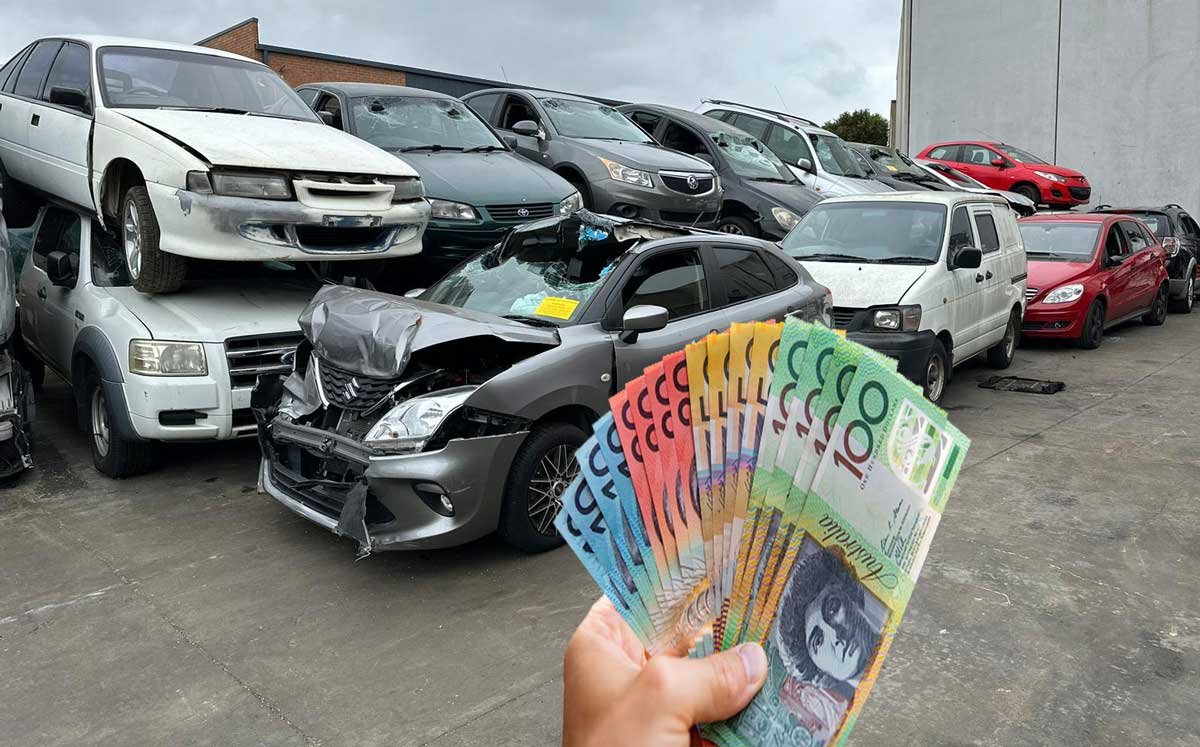
For some Adelaide car owners, selling an unwanted vehicle for recycling is also a way to remove a car that is no longer useful while allowing its materials to be recovered. A service offering cash for scrap cars Adelaide can connect vehicle owners with the recycling process when an old, damaged or unwanted car is ready to be dismantled. This is not only about selling an old vehicle; the process can lead to the recovery of reusable parts and scrap metal that may enter other production cycles.
Why Older Cars Still Have Recycling Potential
A vehicle does not need to be in good driving condition to contain recyclable materials.
A damaged car may have a failed engine but still contain metal, wheels, glass, wiring and other components. A vehicle damaged in an accident may have some parts that are unsuitable for reuse while other components remain usable.
Age also does not remove the material content of a vehicle. An older car can still provide steel, aluminium, copper and other materials for recovery.
This is why end-of-life vehicle recycling focuses on the materials and parts inside the car rather than only its ability to drive.
Reducing the Need for New Raw Materials
Recycling metals can reduce the need to obtain all materials from new sources. Recovered metal can be processed and used again in manufacturing.
The exact environmental savings depend on the material, recycling method and energy used during processing. Still, metal recycling is an established part of waste management and resource recovery.
For Adelaide, a stronger vehicle recycling system can therefore support wider efforts to keep useful materials within the economy.
The process also shows why an old car should not always be viewed as a single piece of waste. It is made from many different materials, and each material can have a different path after dismantling.
What the Future May Look Like
Vehicle recycling is likely to remain important as cars continue to change. Modern vehicles contain more electronic equipment, different types of plastics and, in some cases, high-voltage battery systems.
Electric and hybrid vehicles also require specific handling because their battery systems are different from those in conventional petrol and diesel vehicles.
This means vehicle recycling processes need to keep developing as vehicle technology changes.
The basic principle remains the same: identify materials, remove components safely, recover what can be reused or recycled, and send materials into suitable processing streams.
A Changing Approach to Scrap Cars
Adelaide is moving towards a view of scrap vehicles that places greater attention on recovery rather than simple disposal.
An old car can contain reusable parts and several recyclable materials. Proper dismantling allows these resources to be separated and directed towards different uses.
Metal recovery, parts reuse and responsible fluid handling all form part of this process. Together, they can reduce unnecessary waste and keep useful materials in circulation.
For vehicle owners, recycling an unwanted car is therefore more than clearing space. It is one step in a larger system that turns end-of-life vehicles into reusable parts and raw materials.





Post Comment