Gemstone Jewelry: The Ultimate Buying Guide for 2026
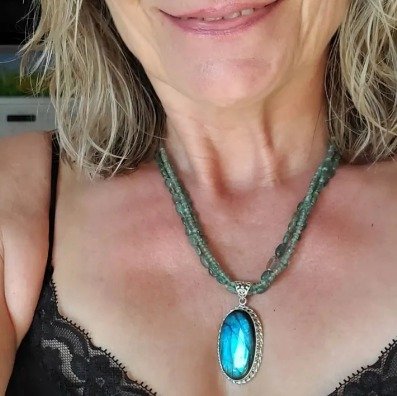
Introduction
Buying gemstone jewelry used to mean walking into a shop, pointing at something shiny, and hoping for the best. That’s not really how it works anymore. Shoppers today want to know where a stone came from, what it’s set in, and whether the piece will actually hold up after a few years of wear. If you’ve been scrolling through options and feeling a little lost, you’re not alone — there’s a lot more to consider than color and price tag.
This guide walks through what actually matters when picking gemstone pieces in 2026: the stones themselves, the metals they’re set in, how to judge quality without a jeweler’s loupe, and what’s trending right now. No fluff, just the stuff you’d want a knowledgeable friend to tell you before you spend your money.
What Makes a Gemstone Worth Buying
Not every colorful rock deserves a spot in your jewelry box. Some gemstones are prized because they’re rare, others because of how they catch light, and some purely for the folklore attached to them. Before you fall for a piece because it looks pretty in a photo, it helps to know what you’re actually paying for and why certain stones cost more than others.
Semi-precious stones like jade, amethyst, and rhodonite have earned lasting popularity because each one carries distinct color variation — no two pieces look identical, which is part of the appeal. Gemologists typically evaluate stones using the Mohs hardness scale, which tells you how resistant a stone is to scratching. Turquoise, for instance, sits lower on that scale and needs gentler care than something like amethyst, which is considerably tougher.
Color consistency, clarity, and the way a stone is cut all affect its final look. Wire-wrapped designs, in particular, tend to showcase a stone’s natural shape rather than forcing it into a uniform cut, which is part of why handcrafted pieces often feel more personal than mass-produced ones.
Choosing the Right Metal Setting
Here’s something people overlook constantly: the metal holding your gemstone matters just as much as the stone itself. A gorgeous stone set in a setting that tarnishes, irritates skin, or bends out of shape within months isn’t a good buy, no matter how striking it looked at first glance.
Sterling silver remains a dependable, affordable choice for everyday Gemstone Jewelry, though it does require occasional polishing to prevent tarnish. Copper is another popular option — it’s warm-toned, budget-friendly, and some people even believe it carries subtle health benefits, though that claim isn’t backed by strong scientific evidence. For anyone with sensitive skin, stainless steel is often the smarter pick over softer metals; it resists corrosion, doesn’t react with moisture or sweat, and holds its shape far better over years of daily wear.
If you’ve ever had a ring bend or a bracelet clasp wear out fast, switching to stainless steel components solves that problem for good. Gold-filled jewelry sits in a nice middle ground too — it has a thick layer of real gold bonded to a base metal, giving you that warm gold look without the price tag of solid gold. It’s more durable than gold plating, which tends to wear off within a year or two of regular use.
How to Judge Quality Before You Buy
You don’t need to be a gemologist to avoid buying something cheap dressed up as premium. A few practical checks go a long way, especially when you’re shopping online and can’t physically hold the piece.
Look closely at how the stone is secured. Wire-wrapping should look intentional and tight, not loose or sloppy, since a poorly wrapped stone is more likely to fall out over time. Check whether the seller specifies the stone’s origin and whether it’s natural or dyed — some stones, like howlite, are commonly dyed to mimic turquoise, and there’s nothing wrong with that as long as it’s disclosed honestly.
Reviews matter more than most people think. A collection with a strong track record of genuine customer feedback, especially verified ratings, tells you a lot about consistency and craftsmanship. It’s also worth checking return policies before purchasing, since gemstone color can look slightly different in photos than in person due to lighting and natural variation between stones.
Price is a rough indicator too. If a “natural amethyst” piece costs less than a coffee, it’s worth asking questions before assuming it’s the real thing.
Gemstone Jewelry Trends to Watch in 2026
Trends shift, but a few directions are clearly shaping how people are buying Gemstone Jewelry this year. Mix-and-match styling has taken off — instead of matching a necklace, bracelet, and earrings from one set, people are pairing different stones and metals together for a more personal, layered look.
Awareness jewelry has also grown steadily, with buyers gravitating toward pieces that carry emotional or symbolic meaning tied to causes they care about, rather than jewelry chosen for looks alone. Bold statement pieces — think oversized pendants or chunky cuffs — are trending for those who want their jewelry to make a visual statement rather than sit quietly in the background.
There’s also a noticeable shift toward handcrafted, small-batch pieces over mass-manufactured jewelry. People increasingly want to know a human made the piece they’re wearing, not a factory line. That’s part of why artisan-made collections, like the one from Alexa Martha Designs, have found a steady audience among buyers who value individuality over uniformity.
Caring for Your Gemstone Pieces
Even the best-made piece won’t last if it’s treated carelessly. Most gemstones don’t respond well to prolonged sun exposure, harsh chemicals, or repeated contact with lotions and perfumes, all of which can dull color or weaken the stone’s surface over time.
Store pieces separately rather than piled together in a drawer, since gemstones can scratch each other or softer metals like copper and silver. A soft cloth wipe after wearing keeps most pieces looking fresh, and for anything set in stainless steel, a simple rinse with mild soap and water is usually all that’s needed to keep it looking new for years.
If you’re gifting a piece, it’s worth mentioning basic care to the recipient too — most people don’t realize that something as simple as swimming in chlorinated water can affect certain stones and settings.
FAQs About Gemstone Jewelry
Is gemstone jewelry the same as fine jewelry?
Not exactly. Fine jewelry typically refers to pieces made with precious metals and gemstones like diamonds or sapphires. Gemstone jewelry often uses semi-precious stones and can range from budget-friendly to high-end depending on materials and craftsmanship.
Does gemstone color fade over time?
Some stones can lighten slightly with prolonged sun exposure or chemical contact, but most well-cared-for pieces retain their color for years. Dyed stones fade faster than naturally colored ones.
Which metal is best for sensitive skin?
Stainless steel is generally the safest choice for sensitive skin since it resists corrosion and rarely causes irritation, unlike some plated metals that can wear down and expose base materials underneath.
Can gemstone jewelry get wet?
Occasional light contact with water usually isn’t a problem, but prolonged exposure — like swimming or showering — can affect certain stones and weaken wire settings over time.
How do I know if a gemstone is real?
Ask the seller for details about the stone’s origin and treatment. Natural stones typically show slight variations in color and pattern, while synthetic or dyed stones often look unusually uniform.
Conclusion
Picking the right Gemstone Jewelry really comes down to understanding what you’re buying — the stone, the setting, and the care it’ll need going forward.
A little research before you purchase saves you from disappointment later, whether that means choosing stainless steel over a metal that irritates your skin or asking the right questions about a stone’s origin. Once you know what to look for, shopping for gemstone pieces becomes a lot less overwhelming and a lot more enjoyable.




Post Comment