Why Fire-Resistant Electrical Conduit Pipes are Essential for Building Safety
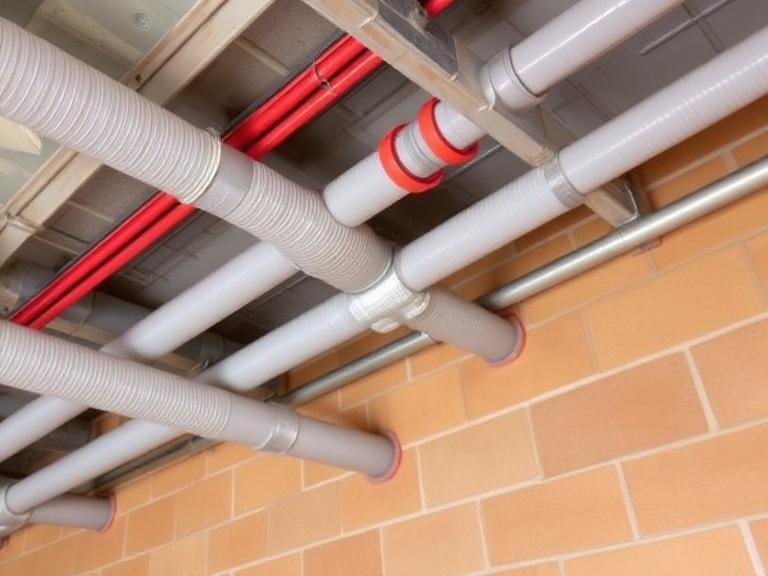
When planning a construction project, the focus often lies on the aesthetics or the structural foundation. However, the internal wiring system is what powers the building and, if neglected, it can become a major fire hazard. This is where high quality electrical conduit pipes play a vital role. These pipes act as a protective barrier for cables, ensuring that any electrical faults do not escalate into life threatening disasters. Choosing fire resistant materials is not just a preference, it is a fundamental requirement for modern engineering and occupant safety.
Understanding the Role of Electrical Conduit Pipes
An electrical conduit is a tube used to protect and route electrical wiring in a building or structure. These conduits can be made of various materials, but uPVC (Unplasticized Polyvinyl Chloride) has become the industry standard due to its versatility and resistance.
The primary purpose of a conduit is to safeguard the wires from external damage, such as moisture, physical impact, and chemical corrosion. More importantly, in the event of an electrical short circuit, the conduit serves as the first line of defense. It prevents the spark or heat from coming into direct contact with flammable building materials like wood, insulation, or drywall.
The Hidden Dangers of Substandard Piping
Many builders and homeowners try to save costs by using low grade or non rated pipes for electrical installations. This is a dangerous practice that can lead to catastrophic consequences.
-
Rapid Fire Spread: Standard plastic pipes can melt and act as fuel for a fire, allowing the flames to travel through walls and ceilings rapidly.
-
Toxic Fumes: During a fire, certain low quality plastics release thick, black smoke and toxic gases. These fumes are often more dangerous to occupants than the heat itself.
-
Mechanical Failure: Substandard pipes may crack or degrade over time, leaving wires exposed to pests or moisture, which eventually leads to short circuits.
Key Benefits of Fire-Resistant Electrical Conduit Pipes
1. Self-Extinguishing Properties
One of the most critical features of high grade conduit pipes is their ability to self extinguish. If a wire catches fire inside the pipe, the material of the conduit is designed to stop the flame from spreading. Once the source of the fire is removed, the pipe stops burning. This containment is essential for preventing a localized electrical fault from turning into a full scale building fire.
2. High Dielectric Strength
Electrical conduits must act as excellent insulators. Fire resistant uPVC conduits have high dielectric strength, which means they can withstand high voltages without breaking down. This prevents electricity from “leaking” out of the pipes, reducing the risk of accidental shocks or secondary fires.
3. Resistance to Thermal Expansion
Buildings undergo temperature changes, and electrical wires generate heat as current flows through them. Fire resistant pipes are engineered to handle these thermal shifts without warping or losing their structural integrity. This ensures that the protection remains consistent over decades of use.
4. Low Smoke and Gas Emission
Modern fire resistant conduits are formulated to produce minimal smoke. In the event of a fire, clear visibility is crucial for a safe evacuation. By using pipes that emit low levels of smoke and non toxic byproducts, developers can significantly improve the survival rate of the building’s occupants.
Why Engineers and Architects Prioritize Quality Conduits
Professional engineers understand that safety is a long term investment. When designing large scale commercial or residential projects, they look for products that meet international safety standards such as ISO or PSQCA.
Durability meets Safety:
Quality conduits do not just offer fire protection; they are also resistant to impact. During the construction phase, pipes are often stepped on or hit by heavy equipment. A high quality conduit will flex and return to its shape rather than cracking, ensuring that the wires inside remain protected throughout the building’s lifecycle.
Ease of Installation:
Fire resistant pipes are designed with a smooth internal surface. This makes it much easier for electricians to “pull” wires through long sections of piping. This reduces the mechanical stress on the wire insulation and speeds up the construction process, saving both time and labor costs.
Selecting the Right Conduit for Different Applications
Not all conduits are created equal. Depending on the area of the building, different types of protection may be required:
-
Rigid Conduits: These are typically used in walls and underground installations where maximum protection against physical pressure is needed.
-
Flexible Conduits: These are ideal for connecting appliances or navigating tight corners where rigid pipes cannot reach.
-
Corrugated Conduits: Often used in concealed ceiling work, these provide a balance between flexibility and protection.
The Importance of Material Quality in the Local Market
As the construction industry in Pakistan continues to expand, the demand for reliable building materials has never been higher. From high rise apartments in Karachi to industrial zones in Faisalabad, safety compliance is becoming a top priority for developers.
Finding the right partners for your project is crucial. Working with established pvc pipe manufacturers in pakistan ensures that you receive products specifically engineered for the local climate. The intense heat in many parts of the country requires uPVC formulations that are UV stabilized and heat resistant. Choosing a manufacturer with a legacy of quality, such as the Adamjee Group, provides peace of mind that the products have been tested under rigorous conditions.
Installation Best Practices for Maximum Safety
To ensure that your fire resistant conduits perform as expected, proper installation is mandatory:
-
Proper Joint Sealing: Use high quality solvent cement to join pipes. This ensures a water tight and air tight seal, preventing oxygen from feeding a potential internal fire.
-
Avoid Overcrowding: Never overfill a conduit with too many wires. Overcrowded pipes can lead to excessive heat buildup, which can damage the wire insulation over time.
-
Strategic Routing: Keep electrical conduits away from water pipes and heating vents. This separation minimizes the risk of external factors damaging the electrical system.
-
Regular Inspections: While uPVC conduits are designed for long term use, periodic checks of the junction boxes and exposed sections can help identify potential issues before they become hazards.
Conclusion: A One-Time Solution for Lifelong Peace of Mind
Fire safety is not an area where anyone should look for shortcuts. The cost of installing premium fire resistant electrical conduit pipes is a small price to pay compared to the potential loss of property and life. By choosing materials that are self extinguishing, durable, and engineered to international standards, you are making a commitment to the safety of everyone who enters the building.
For your next project, prioritize reliability. Look for products that offer a “one time solution” and ensure you are sourcing from reputable suppliers who understand the critical nature of electrical safety.
Frequently Asked Questions (FAQs)
Are all PVC pipes fire resistant?
No, not all PVC pipes are fire resistant. Regular PVC used for plumbing is not designed to handle the heat of an electrical fire. You must specifically look for uPVC conduits that are rated for electrical use and possess self extinguishing properties.
Why should I use conduits for concealed wiring?
Concealed wiring is buried inside walls or ceilings. Without a conduit, if a wire fails or catches fire, it could ignite the surrounding structure. Conduits provide a safe channel for the wires and make it possible to replace old wiring without tearing down the walls.
Do fire resistant conduit pipes melt?
While these pipes can melt under extreme heat, they are designed not to support combustion. This means they will not contribute to the spread of the fire and will stop burning as soon as the flame source is removed.
How long do uPVC electrical conduits last?
High quality uPVC conduits are incredibly durable and can last for over 40 to 50 years. They are resistant to corrosion, rust, and chemical degradation, making them ideal for both residential and industrial environments.
Can these pipes be used for underground wiring?
Yes, rigid uPVC conduits are excellent for underground use. They protect the wires from soil moisture, pressure, and pests like termites or rodents, which are common causes of underground electrical failure.




Post Comment