Fiber Optic Cable Infrastructure Guide Network Systems Explained
Fiber optic cable infrastructure is the backbone of modern high-speed communication networks, enabling ultra-fast data transmission across cities, countries, and continents. It uses light signals instead of electrical signals to transmit data through thin strands of glass or plastic fibers. This technology supports internet connectivity, telecommunications, cloud computing, and digital services that require high bandwidth and low latency. As global data usage continues to increase, fiber optic networks have become essential for businesses, governments, and residential users.
Fiber optic cable infrastructure refers to the complete network system that includes fiber cables, transmission equipment, distribution hubs, and connectivity points. It is designed to carry large volumes of data at extremely high speeds over long distances with minimal signal loss.
Unlike traditional copper wiring, fiber optics use light pulses, which makes them faster, more reliable, and less susceptible to interference. This makes fiber infrastructure the preferred choice for modern communication systems.
How Fiber Optic Technology Works
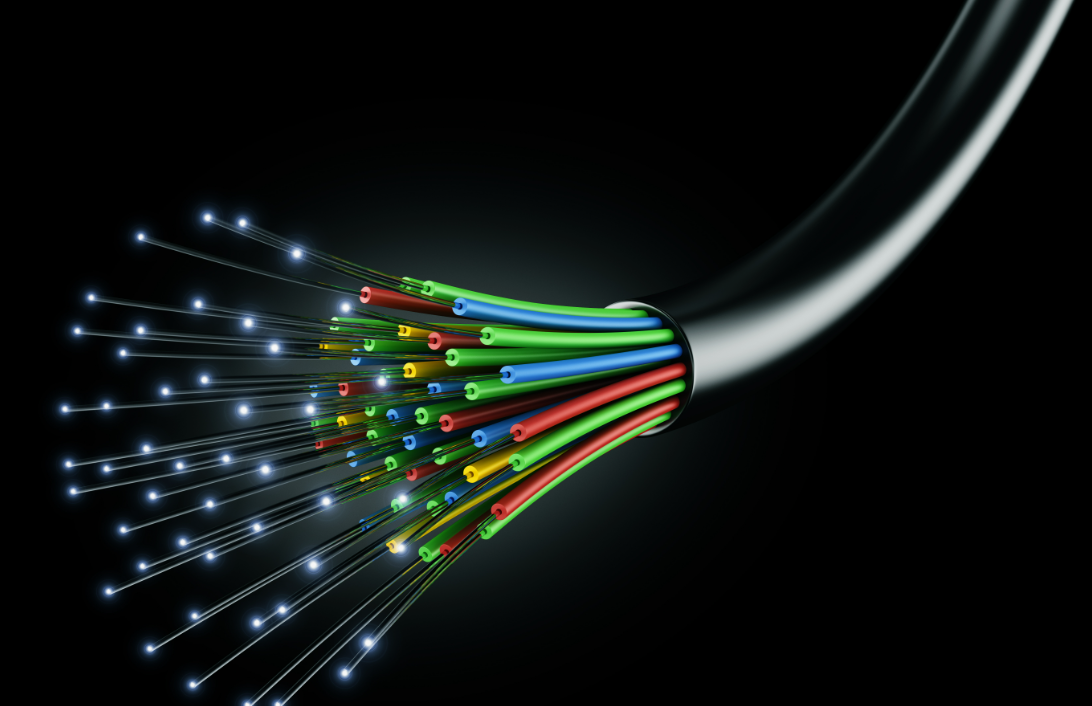
Fiber optic communication works by transmitting data as light signals through strands of glass or plastic fibers. These fibers are extremely thin and are bundled together inside protective cables.
The main process involves:
Converting electrical signals into light signals
Transmitting light through fiber strands using internal reflection
Receiving and converting light signals back into electrical data
Because light travels at extremely high speeds, fiber optic networks deliver faster and more efficient communication compared to traditional systems.
Key Components of Fiber Optic Infrastructure
Fiber Optic Cables
Fiber cables are made of a core, cladding, and protective outer layers. The core carries the light signals, while the cladding reflects light back into the core to prevent signal loss.
Transmitters and Receivers
Transmitters convert electrical signals into light, while receivers convert light back into electrical signals for end-user devices.
Optical Amplifiers
These devices boost signal strength over long distances without needing full signal regeneration.
Network Nodes
Nodes distribute and route data across the network, ensuring efficient communication between multiple points.
Distribution Hubs
These hubs connect main fiber lines to local networks and end users.
Types of Fiber Optic Networks
Single-Mode Fiber
Single-mode fiber is designed for long-distance communication. It has a small core and allows light to travel in a straight path, reducing signal loss.
Multi-Mode Fiber
Multi-mode fiber is used for shorter distances, such as within buildings or campuses. It has a larger core and allows multiple light paths.
Benefits of Fiber Optic Cable Infrastructure
High-Speed Data Transmission
Fiber optic networks provide extremely fast internet and data transfer speeds, making them ideal for modern digital applications.
Greater Bandwidth Capacity
They can carry large volumes of data simultaneously, supporting streaming, cloud services, and enterprise systems.
Low Signal Loss
Fiber optics experience minimal signal degradation over long distances compared to copper cables.
Resistance to Interference
Since fiber uses light instead of electricity, it is immune to electromagnetic interference.
Improved Security
Fiber optic cables are harder to tap, making them more secure for sensitive data transmission.
Applications of Fiber Optic Infrastructure
Internet and Telecommunications
Fiber networks power high-speed internet, phone systems, and mobile connectivity.
Data Centers
Large-scale data centers rely on fiber optics for fast internal and external communication.
Healthcare
Hospitals use fiber networks for imaging systems, patient data transfer, and telemedicine.
Military and Defense
Secure and high-speed communication systems are critical for defense operations.
Smart Cities
Fiber infrastructure supports smart traffic systems, surveillance, and IoT connectivity.
Installation Process of Fiber Optic Networks
Planning and Design
Engineers map out routes, determine capacity requirements, and design the network layout.
Cable Laying
Fiber cables are installed underground, aerially on poles, or through existing conduits.
Splicing and Termination
Individual fibers are carefully spliced and connected to ensure continuous signal flow.
Testing and Activation
Technicians test signal strength, connectivity, and performance before activating the network.
Challenges in Fiber Optic Infrastructure
Despite its advantages, fiber deployment faces several challenges:
High installation costs
Complex installation process
Geographic and environmental obstacles
Maintenance requirements in certain areas
However, long-term performance benefits often outweigh these initial challenges.
Future of Fiber Optic Networks
The demand for high-speed internet, 5G technology, and cloud computing continues to drive fiber optic expansion. Future developments include:
Faster transmission speeds
Increased global fiber coverage
Integration with AI and smart systems
Improved energy efficiency
Fiber optics will continue to play a central role in global digital transformation.
Conclusion
Fiber optic cable infrastructure is a critical foundation of modern communication systems, enabling fast, reliable, and secure data transmission across the world. With its high speed, large bandwidth capacity, and resistance to interference, fiber optics support everything from internet services to smart city technologies. As digital demand grows, fiber infrastructure will remain essential for connecting people, businesses, and technologies globally.


Post Comment