Must-Have Features for a Diet & Nutrition Tracking App
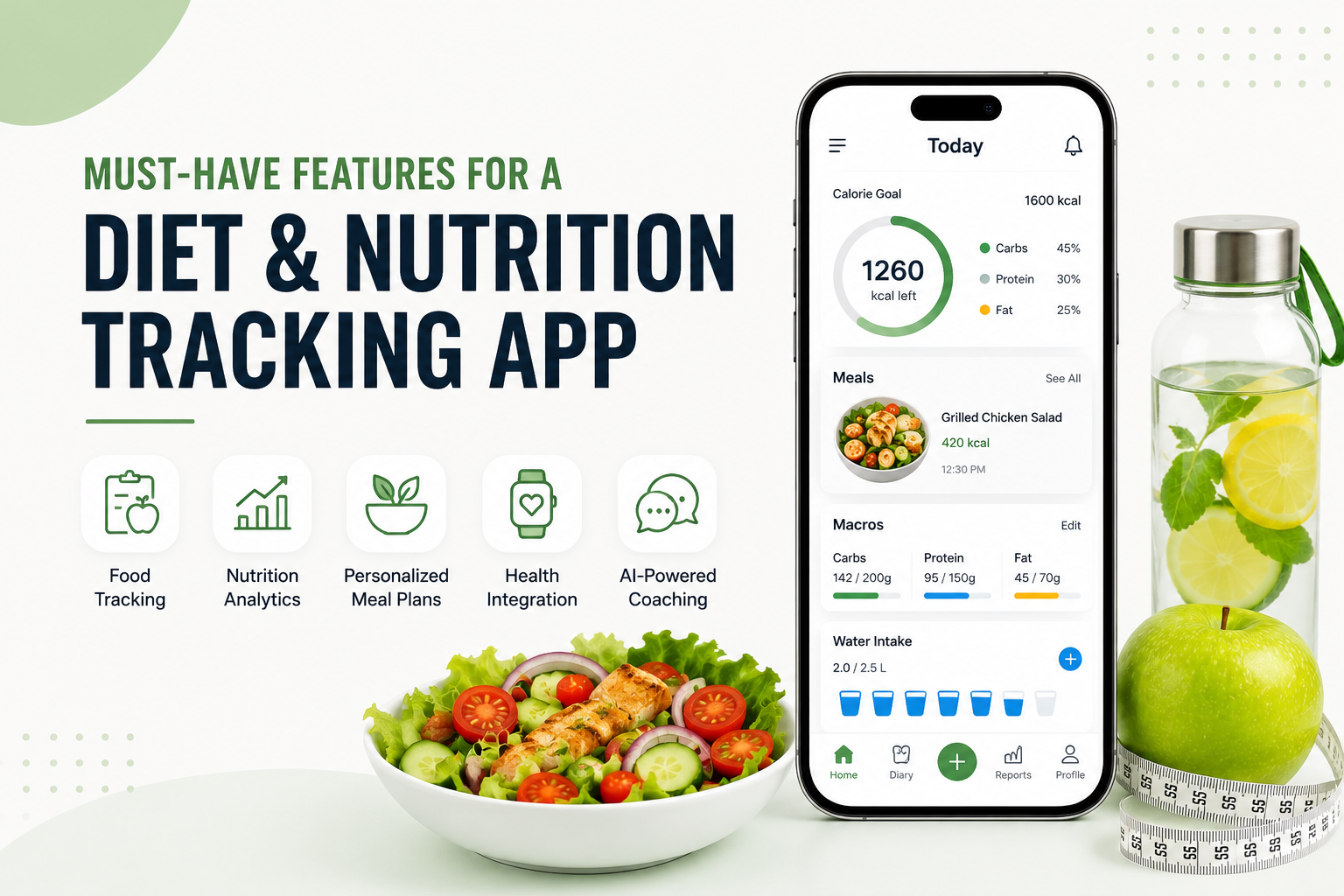
The way people approach nutrition has changed dramatically over the last few years. Consumers are no longer relying solely on generic diet plans, calorie-counting spreadsheets, or occasional consultations with nutritionists. Instead, they expect personalized, data-driven guidance that fits seamlessly into their daily lives. This shift has fueled the rapid growth of diet and nutrition apps, turning them into one of the most active segments within the digital health industry.
However, launching a successful nutrition app today is far more challenging than simply creating a food diary. Users have countless options available, and their expectations continue to rise. They want intelligent meal recommendations, real-time health insights, wearable integration, personalized coaching, and intuitive experiences that simplify healthy living. Apps that fail to deliver these capabilities often struggle with user retention and engagement.
For startups, healthcare providers, fitness brands, and entrepreneurs exploring diet and nutrition app development, understanding which features truly matter can make the difference between market success and failure. As artificial intelligence continues to reshape digital health experiences, feature selection has become both a strategic and competitive decision.
In this article, we’ll explore the must-have features for a modern diet and nutrition tracking app, examine how AI is transforming user experiences, and discuss the essential capabilities that can help businesses create highly engaging and scalable nutrition platforms.
Personalized Nutrition Planning: The Foundation of User Success
One of the biggest reasons users abandon nutrition apps is the lack of personalization. Generic meal plans and one-size-fits-all recommendations rarely deliver meaningful results because every individual has unique dietary requirements, health goals, lifestyles, and preferences.
Modern nutrition apps must offer personalized meal planning capabilities from the moment users complete onboarding. The app should gather relevant information such as age, weight, activity level, fitness goals, allergies, dietary restrictions, and preferred eating styles. This data forms the basis for customized recommendations that feel relevant and actionable.
The rise of AI diet planner app development has significantly improved personalization capabilities. Artificial intelligence enables nutrition apps to continuously adapt meal recommendations based on user behavior, food choices, progress tracking, and changing health goals.
For example, if a user is attempting weight loss but consistently exceeds carbohydrate targets, the system can automatically suggest alternative meal options and portion adjustments. Similarly, users training for athletic performance can receive tailored recommendations designed to support recovery and endurance.
The more personalized the experience becomes, the greater the likelihood of long-term engagement and user satisfaction.
Dynamic Goal Management
Goal setting should extend beyond simple weight loss targets. Modern nutrition apps should support various objectives, including:
- Weight management
- Muscle gain
- Sports performance
- Disease management
- General wellness improvement
As users progress, the application should intelligently update goals and recommendations to maintain relevance and motivation.
Adaptive Meal Recommendations
Rather than offering static meal plans, advanced systems should learn from user preferences and continuously refine recommendations. This creates a highly customized experience that evolves alongside the user’s nutritional journey.
Comprehensive Food Tracking and Nutrition Analysis
At the heart of every successful diet application lies an effective food tracking system. Users rely on nutrition apps to understand their eating habits, monitor calorie intake, and identify opportunities for improvement.
The challenge is making food tracking both accurate and effortless.
Traditional manual food logging often creates friction, leading many users to abandon the process after only a few weeks. To overcome this challenge, modern nutrition applications should provide multiple food entry methods, including barcode scanning, voice input, image recognition, and searchable food databases.
When users can quickly log meals without interrupting their routines, engagement naturally increases.
Barcode Scanning and Food Databases
A robust food database is essential for delivering accurate nutritional information. Users should be able to search thousands of food products and instantly access details such as:
- Calories
- Macronutrients
- Micronutrients
- Serving sizes
- Ingredient information
Barcode scanning further simplifies the process by eliminating manual data entry.
AI-Powered Food Recognition
Computer vision technology has become one of the most valuable innovations in nutrition tracking.
Users can simply photograph their meals, and AI algorithms identify ingredients, estimate portions, and calculate nutritional values. This capability significantly improves convenience while reducing the effort required for daily tracking.
As AI models continue to improve, food recognition technology is becoming increasingly accurate and reliable, making it a key feature in modern nutrition platforms.
Nutritional Insights and Reports
Tracking data alone is not enough. Users need meaningful insights that help them make better decisions.
Effective nutrition apps should provide detailed reports that highlight:
- Calorie trends
- Macronutrient balance
- Nutrient deficiencies
- Weekly progress
- Behavioral patterns
These insights transform raw data into actionable guidance that encourages healthier habits.
AI-Powered Coaching and Smart Recommendations
Artificial intelligence is rapidly becoming the defining differentiator in nutrition applications. While traditional apps focus on tracking behavior, AI-driven platforms actively guide users toward better outcomes.
This evolution is creating entirely new opportunities within diet and nutrition app development.
Virtual Nutrition Coaches
AI-powered nutrition coaches provide instant assistance whenever users need guidance.
Instead of browsing articles or searching external sources, users can ask questions directly within the application:
“What should I eat after a workout?”
“Can you recommend high-protein vegetarian meals?”
“How can I reduce sugar intake?”
The AI assistant can generate personalized responses based on the user’s dietary profile and health goals.
This level of support improves engagement while delivering value between consultations with healthcare professionals or nutrition experts.
Predictive Health Recommendations
One of the most advanced capabilities emerging in 2026 is predictive nutrition intelligence.
By analyzing eating patterns, physical activity data, sleep quality, and biometric trends, AI can proactively recommend dietary adjustments before problems arise.
For example, if the system detects declining energy levels or poor recovery after workouts, it may suggest increasing protein intake or adjusting meal timing.
Such proactive recommendations create a highly personalized and intelligent user experience.
Behavioral Change Support
Long-term success depends on behavior change rather than short-term motivation.
AI systems can identify habits that contribute to unhealthy outcomes and provide timely nudges, reminders, and educational content designed to encourage sustainable improvements.
These features help users stay committed to their health goals while reducing dropout rates.
Integration Features That Enhance User Engagement
The modern health ecosystem extends far beyond standalone mobile applications. Users interact with multiple devices, platforms, and healthcare services throughout their wellness journey.
Nutrition apps that seamlessly integrate with these tools create significantly greater value.
Wearable Device Integration
Fitness trackers and smartwatches generate valuable health data that can enhance nutrition recommendations.
Integration with wearable devices enables access to:
- Daily activity levels
- Step counts
- Heart rate data
- Sleep patterns
- Calorie expenditure
This information allows nutrition recommendations to adapt dynamically based on real-time physiological activity.
For example, users who complete intense workouts may automatically receive increased calorie and protein targets.
Health App Synchronization
Nutrition applications should integrate with popular health platforms to create a unified user experience.
Users increasingly expect data synchronization across multiple systems, reducing manual input while improving overall convenience.
Telehealth and Professional Consultation Features
Many users seek expert guidance alongside self-monitoring tools.
Integrating virtual consultations with dietitians, nutritionists, and healthcare providers can significantly enhance the app’s value proposition.
Features such as appointment scheduling, secure messaging, progress sharing, and personalized feedback create stronger relationships between users and healthcare professionals.
This functionality is particularly valuable for individuals managing chronic health conditions through nutrition.
Scalability, Security, and Monetization Features for Long-Term Success
While user-facing functionality often receives the most attention, long-term business success depends equally on scalability, security, and monetization capabilities.
As user adoption grows, applications must support increasing data volumes, advanced analytics, and personalized experiences without compromising performance.
Cloud-based infrastructure, scalable architecture, and secure data management systems form the foundation of sustainable growth.
Data Privacy and Security
Nutrition applications collect sensitive personal information, including dietary habits, health metrics, and sometimes medical records.
Protecting this information is essential.
Key security measures include:
- End-to-end encryption
- Secure authentication
- GDPR compliance
- HIPAA compliance where applicable
- Role-based access controls
Strong security practices build user trust while reducing regulatory risks.
Subscription and Premium Features
Most successful nutrition applications leverage subscription-based revenue models.
Premium offerings may include:
- AI-generated meal plans
- Personalized coaching
- Advanced analytics
- Expert consultations
- Specialized dietary programs
This approach creates recurring revenue while delivering ongoing value to users.
Understanding AI Development Cost
Businesses planning advanced nutrition platforms should carefully evaluate AI development cost during project planning.
The overall investment depends on factors such as:
- AI model complexity
- Computer vision capabilities
- Personalized recommendation engines
- Healthcare integrations
- Data infrastructure requirements
Applications featuring sophisticated AI functionality generally require higher initial investment but often deliver stronger user engagement and monetization potential.
Many organizations choose to partner with experienced providers offering AI development services to accelerate implementation and reduce technical challenges.
Conclusion
The diet and nutrition app market continues to evolve rapidly as consumers seek smarter, more personalized approaches to health management. Basic calorie tracking is no longer sufficient. Today’s users expect intelligent recommendations, seamless integrations, AI-powered coaching, and highly personalized experiences that adapt to their unique lifestyles.
The growing demand for AI diet planner app development further highlights the shift toward intelligent health platforms capable of delivering proactive guidance and measurable outcomes. While advanced functionality may increase AI development cost, it also creates significant opportunities for differentiation, user retention, and recurring revenue.
As technology continues to advance and consumer expectations rise, organizations that leverage innovative AI development services and prioritize user-centric feature design will be best positioned to lead the future of digital nutrition and wellness.


Post Comment