Exploring the Labubu Germany Trend in Modern Art Toy Culture
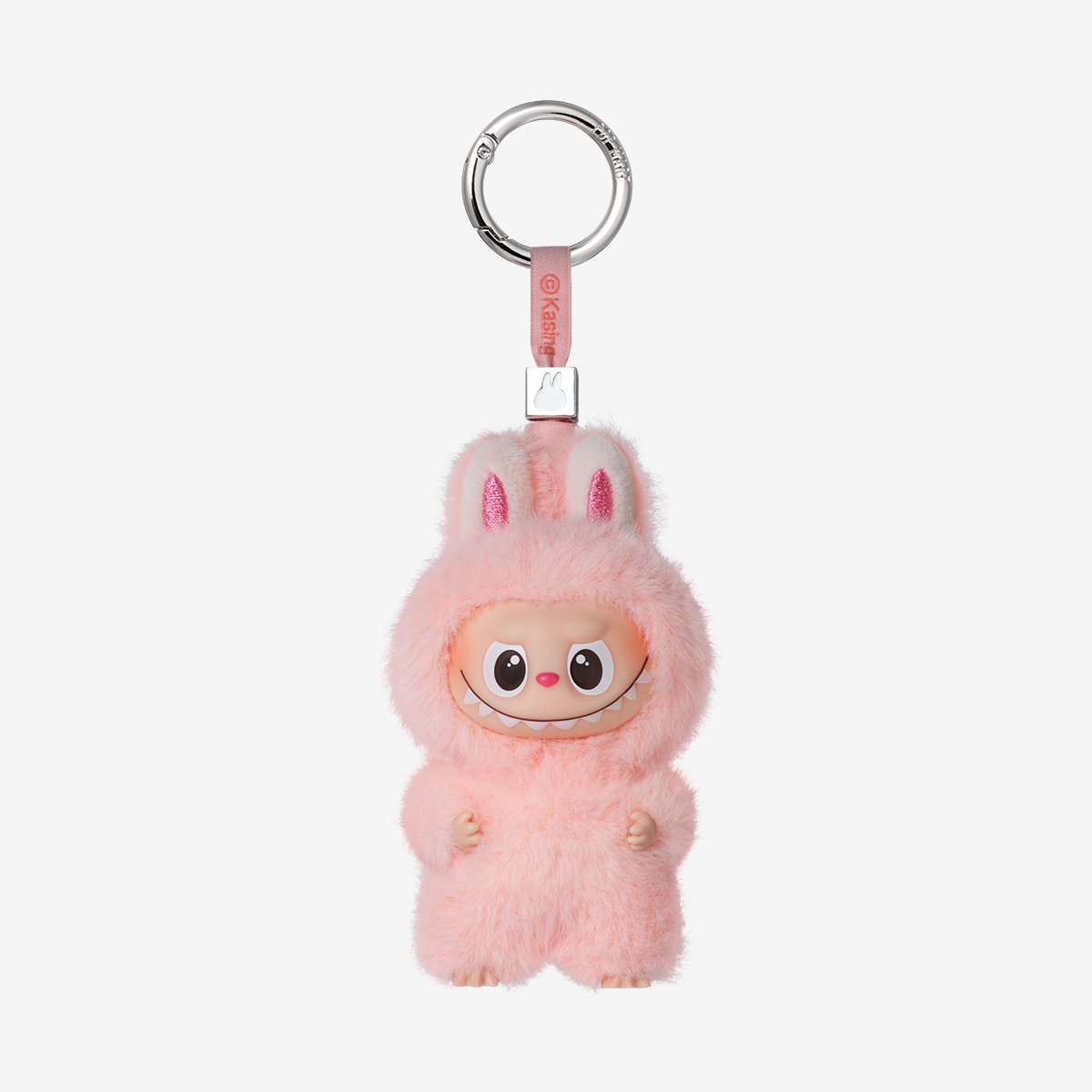
The Rise of Labubu in Germany’s Art Toy Scene
In recent years, the global designer toy market has experienced explosive growth, and one character has managed to capture the imagination of collectors more than most: Labubu. Originally created by Hong Kong artist Kasing Lung, Labubu has evolved from a niche collectible into an international cultural symbol. Germany, known for its appreciation of modern design, underground art, and collectible culture, has become one of the most enthusiastic European markets for Labubu figures.
Across Berlin, Hamburg, Munich, and Cologne, collectors and art toy enthusiasts are embracing the Labubu phenomenon. What makes the trend especially interesting in Germany is how it merges multiple cultural influences together. Designer toys are no longer viewed simply as children’s products. Instead, they are recognized as artistic objects that combine storytelling, fashion, illustration, sculpture, and pop culture into one collectible experience.
The growth of Labubu in Germany reflects a wider movement happening across modern art toy culture. Collectors are increasingly searching for unique items that feel emotional, expressive, and visually distinctive. Labubu’s unusual mix of cute and eerie aesthetics perfectly matches this modern demand for unconventional artistic expression.
Why German Collectors Connect With Labubu
German collectors are known for valuing originality, craftsmanship, and creative identity. Labubu appeals strongly to these preferences because every figure carries a unique personality and emotional presence. Unlike mass-produced traditional toys, Labubu figures feel more like artistic characters with their own stories and moods.
The character’s mischievous smile, sharp teeth, and playful design create a visual contrast that has become extremely popular among younger audiences. This “ugly-cute” aesthetic has become a defining feature of modern collectible culture. Many German collectors see Labubu as both decorative art and a reflection of modern youth identity.
Another major factor behind the trend is the excitement created by blind-box culture. Buyers never know which figure they will receive until the package is opened. This element of surprise creates emotional anticipation and transforms collecting into a social experience. Across Germany, unboxing videos, collector meetups, and social media communities continue to fuel excitement around limited editions and rare Labubu releases.
The rise of social platforms has also amplified the trend significantly. TikTok, Instagram, and YouTube have turned Labubu into a visual icon for younger audiences. German creators regularly share display setups, customization ideas, and collection showcases online. These videos often gain thousands of views because the figures photograph beautifully and fit modern aesthetic trends focused on playful creativity and expressive interiors.
Labubu and the Evolution of Modern Art Toys
The popularity of Labubu in Germany represents a larger transformation happening within modern art toy culture. Traditional toy collecting once focused mainly on action figures or nostalgic franchises. Today, collectors are more interested in artistic storytelling and emotional connection.
Modern designer toys are heavily influenced by streetwear culture, contemporary illustration, fashion design, and social media aesthetics. Labubu stands at the center of this movement because the character blends all of these influences together. The figure works equally well as a collectible, a fashion accessory, or a decorative art object.
Industry observers note that art toy culture in 2026 has become more sophisticated and globally connected than ever before. Collectors now pay close attention to display design, lighting, photography, and curated shelf aesthetics. Many German collectors create entire themed spaces dedicated to their designer toy collections.
This transformation has also changed how people define art itself. Designer toys are increasingly appearing in galleries, exhibitions, and museum discussions. Online communities frequently debate whether figures like Labubu should be considered collectible merchandise or legitimate contemporary art pieces. Some collectors argue that these toys represent a new form of accessible pop art for younger generations.
The Influence of Fashion and Street Culture
One reason the Labubu Germany trend has expanded so rapidly is its strong connection to fashion culture. Labubu figures are often attached to handbags, backpacks, and clothing accessories, turning them into wearable statements rather than shelf collectibles alone.
Celebrities and influencers have played a major role in spreading this aesthetic globally. Public appearances featuring Labubu charms and accessories helped push the character beyond collector communities into mainstream fashion culture. German fashion enthusiasts quickly adopted the trend because it aligns with the country’s growing appreciation for playful streetwear and experimental styling.
Berlin, in particular, has become a hotspot for artistic street fashion, making it a natural environment for Labubu’s rise. Young consumers increasingly seek accessories that feel unique and expressive instead of traditionally luxurious. Labubu’s unusual design allows collectors to communicate individuality, humor, and creativity through fashion.
Collaborations between art toy brands and fashion companies have also expanded the market significantly. Industry reports suggest that designer toy culture now overlaps heavily with streetwear communities and youth-focused fashion brands.
Germany’s Growing Designer Toy Communities
Another reason behind the success of Labubu in Germany is the strength of collector communities. Online forums, Discord groups, Reddit discussions, and social media pages allow fans to exchange information about releases, pricing, rare editions, and display ideas.
Collectors in Germany often organize meetups and toy conventions where enthusiasts trade figures and discuss upcoming releases. These events have become important cultural spaces where modern art toy fans connect with artists and fellow collectors.
Community culture is especially important because modern collecting is no longer just about ownership. It is about participation. Fans enjoy discussing authenticity, rare editions, customization, and future collaborations. This sense of belonging helps maintain long-term enthusiasm around Labubu even as trends evolve.
The resale market also contributes to collector engagement. Limited-edition Labubu figures can increase dramatically in value, creating excitement around rare releases. However, many collectors emphasize emotional attachment rather than financial investment. For them, the figures represent creativity, nostalgia, and personal identity more than monetary value.
The Future of Labubu in Germany
The future of the Labubu Germany trend appears promising as designer toy culture continues expanding worldwide. Experts believe the market will become even more integrated with entertainment, fashion, and digital media over the next few years.
There are already discussions surrounding film adaptations, global collaborations, and new artistic partnerships connected to the Labubu universe. Labubu KeychainThese developments could further strengthen the character’s cultural presence across Europe and especially within Germany’s creative communities.
At the same time, the trend is evolving beyond simple hype. Many collectors now see Labubu as part of a broader cultural shift toward emotional and visually expressive collectibles. Modern audiences increasingly value items that feel personal, artistic, and socially shareable. Labubu successfully combines all of these qualities into one recognizable character.
Germany’s appreciation for modern design and creative subcultures makes it one of the ideal environments for this movement to continue growing. As art toys gain greater recognition in galleries, fashion circles, and online communities, Labubu’s place within modern collectible culture will likely remain significant for years to come.
Conclusion
The Labubu Germany trend is more than a temporary craze. It reflects a deeper transformation within modern art toy culture where collectibles are becoming forms of artistic identity, emotional storytelling, and social connection. Through its unique design, strong community engagement, and connection to fashion and digital culture, Labubu has become one of the defining symbols of the global designer toy movement.
For German collectors, Labubu represents creativity without limits. It combines playful imagination with contemporary aesthetics in a way that resonates strongly with modern audiences. As designer toys continue influencing fashion, art, and youth culture worldwide, Labubu’s impact on Germany’s collectible scene will remain an important part of this evolving artistic landscape.





Post Comment