Everything to Know About Restoring Worn Flooring Surfaces
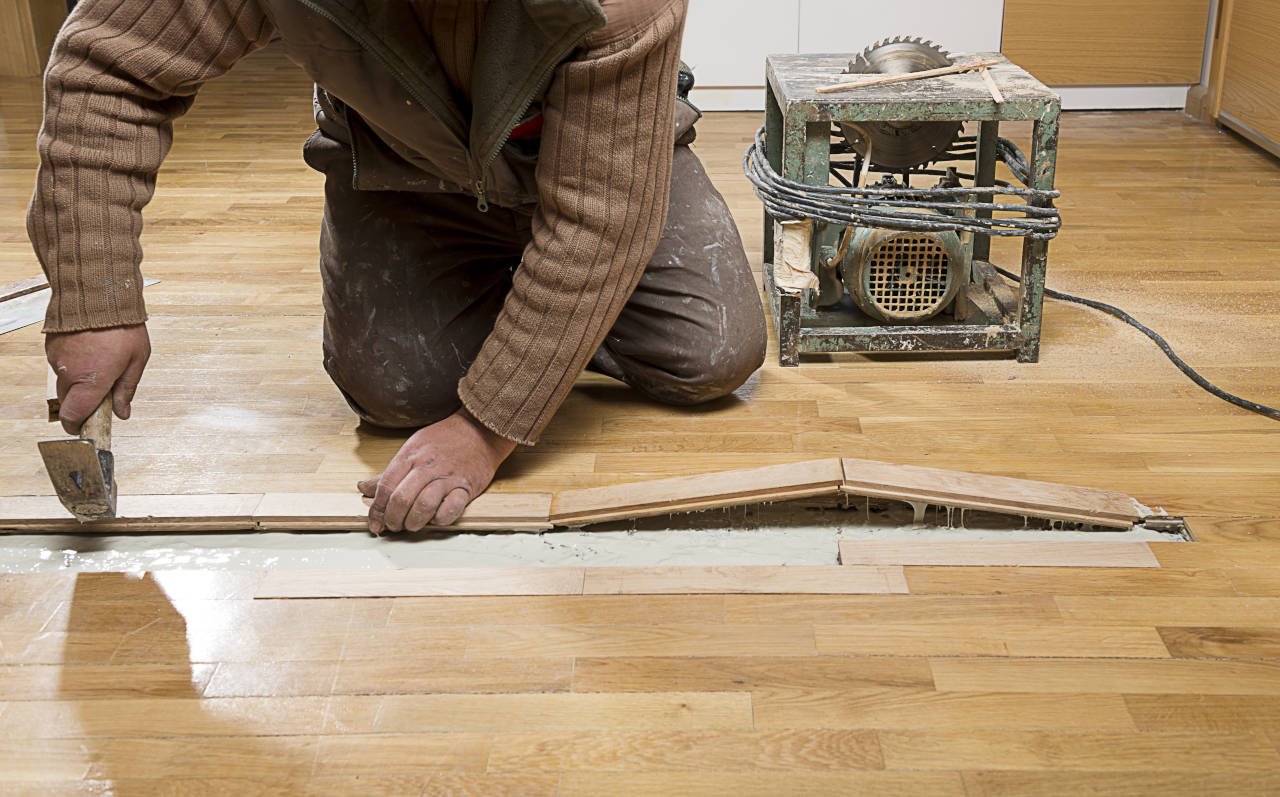
Floors handle constant activity every day, from walking and furniture movement to spills and equipment. Over time, even durable surfaces can develop scratches, stains, dull spots, scuff marks, and other signs of wear. When regular cleaning no longer produces the desired appearance, restoration can help improve an existing floor and may delay the need for complete replacement.
What Floor Restoration Actually Involves
Floor restoration is not one single treatment. Depending on the surface, it may involve deep cleaning, stripping, polishing, buffing, repairing damaged areas, refinishing, or applying a protective finish. The correct process depends on the flooring material, its age, previous treatments, and current condition. A proper assessment should come before selecting any restoration method.
Begin With a Careful Floor Inspection
An inspection helps identify what is actually affecting the floor. A technician may look for scratches, stains, discoloration, worn finishes, damaged sections, and areas exposed to heavy traffic. They can also determine the type of flooring and whether previous coatings are present. This information makes it easier to select suitable equipment and products.
Why Surface Preparation Matters
Preparation is one of the most important parts of restoration. Dirt, grease, dust, residue, and old finish can interfere with later treatments. Depending on the floor, preparation may involve sweeping, vacuuming, deep cleaning, degreasing, or stripping. Removing unwanted buildup first helps create a cleaner surface and supports more even restoration results.
Different Floors Need Different Techniques
Flooring materials have different characteristics and care requirements. Hardwood may need sanding or refinishing, while some resilient surfaces may respond well to polishing or protective finishes. Concrete and natural stone can require specialized cleaning and polishing. Using the same process on every material can cause damage, so restoration should always be tailored to the surface.
Removing Damaged Old Finishes
Old finishes can become scratched, cloudy, discolored, or uneven after repeated use. When appropriate, stripping can remove these layers and prepare the floor for a fresh finish. This process requires the correct products and equipment. Using excessive chemical strength or aggressive methods may harm the underlying surface, so careful preparation is essential.
How Polishing Can Refresh a Surface
Polishing can improve the appearance of certain flooring materials by creating a smoother and more consistent surface. It may reduce the visibility of minor marks and restore some shine. However, polishing is not appropriate for every floor. The material, existing finish, and level of damage should be considered before choosing this treatment.
Handling Scratches and Scuff Marks
High-traffic floors commonly develop scratches and scuff marks from shoes, chairs, carts, and equipment. Minor surface marks may sometimes be improved through polishing or refinishing. Deeper damage may require repair or replacement of individual sections. Identifying the depth and cause of the damage helps determine the most practical solution.
Choosing Professional Restoration Services
When comparing Floor Restoration Services in Houston TX, ask about the flooring materials the company handles and how inspections are performed. It is also useful to ask what preparation, repair, polishing, and finishing steps are included. Understanding the process beforehand can help property owners choose a treatment that matches the actual condition of the floor.
Houston Traffic Can Increase Surface Wear
Commercial properties in Houston may experience heavy daily traffic, particularly in entrances, lobbies, hallways, and shared areas. Outdoor dirt can be carried indoors and gradually affect flooring surfaces. A restoration plan should account for how much traffic each area receives. High-use sections may require more frequent maintenance than quieter spaces.
Moisture and Dirt Require Attention
Moisture brought indoors can create additional floor-care challenges. During wet weather, entrances may collect water and outdoor debris. If dirt remains on the surface, repeated foot traffic can increase friction and wear. Regular cleaning and prompt removal of moisture can help reduce these effects and support the condition of restored flooring.
Protecting Floors After Restoration
Restoration should be followed by appropriate maintenance. Depending on the flooring type, a compatible protective finish may help reduce future wear and make routine cleaning easier. The product should be selected carefully because not every finish works with every material. Proper application and regular maintenance are important for preserving the restored surface.
Avoiding Common Restoration Problems
Using harsh chemicals, excessive moisture, unsuitable equipment, or incorrect finishes can create additional damage. Another mistake is trying to restore a floor without identifying the material first. Following manufacturer recommendations and using appropriate techniques can help prevent avoidable problems. Rushing preparation can also affect the final appearance and durability of the treatment.
Regular Cleaning Supports Restoration
A restored floor still needs everyday care. Dust, grit, spills, and other debris should be removed regularly to prevent new buildup. Suitable cleaning products should be used according to the flooring requirements. High-traffic areas may need more frequent attention because abrasive particles can accumulate faster in these locations.
Comparing Cleaning and Maintenance Providers
Businesses researching Houston TX Cleaning Services should consider whether the provider understands specialized floor care as well as routine cleaning. Ask about cleaning products, equipment, deep cleaning methods, scheduling, and maintenance recommendations. A provider with a structured approach can help protect restored floors and keep high-use areas looking presentable.
When Restoration Is Better Than Replacement
Replacing flooring can involve substantial material costs, labor, and disruption. If the existing floor is structurally sound, restoration may be a practical alternative. While restoration cannot solve every type of damage, it can improve many surface-level problems and extend the useful life of flooring. A professional assessment can help determine the better option.
Create a Long-Term Maintenance Plan
The strongest restoration results come from consistent care afterward. Regular sweeping, dust removal, suitable mopping, quick spill cleanup, and periodic professional maintenance can help preserve the surface. The schedule should be based on the flooring material, traffic level, and building use rather than applying the same routine everywhere.
Keep Worn Floors Looking Their Best
Floor restoration can improve the appearance and usability of aging surfaces while helping property owners make better use of existing flooring. Proper inspection, preparation, surface-specific treatment, and ongoing maintenance all contribute to better results. With a practical long-term care plan, many floors can remain attractive, functional, and easier to maintain without unnecessary replacement.






Post Comment