Energy storage solutions and custom cathode coating services
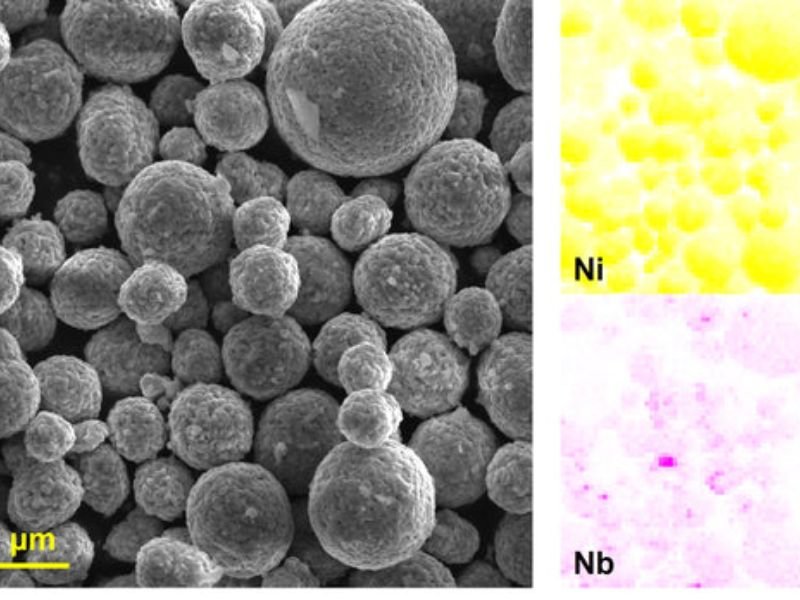
Battery technology is changing quickly as researchers look for better materials, stronger interfaces, and more practical ways to build next generation cells. Cathode development is an important part of this work because the cathode must work well with the electrolyte and other parts of a battery. Custom cathode coating services can help research teams study surface treatments that may improve material stability and support better cell development.
What are custom cathode coating services?
Custom cathode coating services involve applying a selected material to the surface of cathode particles. The coating creates a thin layer between the cathode and the surrounding electrolyte. Researchers can choose different coating materials and loading levels based on their project goals.
The purpose is not simply to add material. A coating can help researchers study surface reactions, interface behavior, and material stability. The right coating depends on the cathode chemistry, electrolyte, voltage range, particle structure, and processing method.
Ampcera works with advanced cathode materials and surface coating approaches for battery research. Its portfolio includes coated NMC materials using lithium niobium oxide and lithium zirconium oxide.
Why Does Cathode Surface Coating Matter?
The surface of a cathode can have a strong effect on how it interacts with an electrolyte. During battery operation, chemical and electrochemical reactions can occur at this interface. These reactions may influence resistance, stability, and long term cell behavior.
A suitable coating can act as a protective surface layer. It may help reduce unwanted reactions while allowing lithium ions to move through the interface. However, coating performance depends on many factors, so testing is important.
For this reason, coating services can be useful when researchers want to compare surface treatments instead of relying on a single standard material.
Ampcera’s Coated Cathode Approach
Ampcera provides coated cathode materials designed for advanced battery and solid state battery research. Its product portfolio includes lithium niobium oxide coated NMC811, single crystal Ni82, single crystal Ni90, and NMC631 cathode powders. It also offers lithium zirconium oxide coated NMC811, Ni82, Ni90, and high voltage LCO materials.
These products give researchers options for studying how surface coatings interact with different cathode structures. The company also provides sulfide solid electrolytes, which can be used in solid state battery research.
This combination of cathode and electrolyte materials can help teams investigate complete material systems rather than studying each component in isolation.
What Factors Should Researchers Consider?
Selecting a cathode coating requires attention to the complete battery system. A coating that works well with one cathode or electrolyte may not provide the same results with another combination.
Researchers may consider:
- Cathode composition
- Coating chemistry
- Coating amount
- Particle size
- Surface structure
- Electrolyte compatibility
- Target voltage range
- Processing conditions
- Required testing method
Clear project requirements make it easier to select an appropriate coating approach and evaluate results.
Lithium Niobium Oxide Coatings
Lithium niobium oxide is one coating material used on selected Ampcera cathode products. Surface coatings based on lithium niobium oxide can provide researchers with an option for studying protected cathode interfaces.
Ampcera’s lithium niobium oxide coated NMC811 product, for example, is designed for solid state battery research. The company provides material specifications and test information to help researchers understand the product before using it in their experiments.
Different cathode structures can also be evaluated with this coating approach. This can be useful when teams are comparing conventional and single crystal cathode materials.
Lithium Zirconium Oxide Coatings
Lithium zirconium oxide is another coating approach offered by Ampcera. The company provides coated NMC and single crystal cathode products using this surface treatment.
The value of a coating should always be considered alongside the complete cell design. Cathode composition, electrolyte choice, pressure, temperature, electrode formulation, and cycling conditions can all influence battery results.
Using custom cathode coating services can allow a development team to investigate coating options while keeping its research goals and material requirements in focus.
How Can Coatings Support Solid State Battery Research?
Solid state batteries use solid materials in place of conventional liquid electrolyte systems. This creates new interface challenges because the cathode and solid electrolyte need to maintain effective contact during cell operation.
Surface coatings can be studied as one way to manage interactions at this interface. Researchers can compare coated and uncoated materials and then evaluate changes in cell behavior.
Ampcera’s combination of coated cathodes and sulfide solid electrolytes supports this type of research. Teams can investigate how different material combinations perform under controlled laboratory conditions.
What Makes a Coating Useful?
A useful coating needs to match the requirements of the battery system. It should not create an excessive barrier to lithium ion movement, and it should remain stable under the intended operating conditions.
Researchers may evaluate a coating through several measurements, including:
- Initial capacity
- Capacity retention
- Coulombic efficiency
- Interface resistance
- Rate performance
- Cycling behavior
- Structural stability
These results help determine whether a coating suits a particular cathode.
When Should a Research Team Consider Custom Coating?
A team may consider custom cathode coating services when standard cathode materials do not meet its research requirements. Custom work can also be useful when a project needs a specific coating chemistry, loading level, particle type, or material combination.
Before beginning a project, researchers should define what they want to learn from the coating. A clear objective can make material selection and testing more efficient.
For example, one project may focus on interface stability, while another may compare different coating levels. A third project may study how a coated cathode performs with a specific sulfide electrolyte.
Questions About Cathode Coating
What are custom cathode coating services used for?
Custom cathode coating services are used to develop or evaluate surface treatments for cathode materials. They can support research into interface stability, material compatibility, and battery performance.
Does Ampcera offer coated NMC materials?
Yes. Ampcera’s coated cathode portfolio includes several NMC and single crystal cathode materials with lithium niobium oxide or lithium zirconium oxide surface coatings.
Can coated cathodes be used in solid state battery research?
Yes. Ampcera offers coated cathode materials alongside sulfide solid electrolytes for research into solid state battery systems. Actual cell performance depends on the complete formulation and testing conditions.
Why compare different coating materials?
Different coating chemistries can interact differently with cathodes and electrolytes. Comparing them can help researchers identify material combinations that fit their specific research goals.
Conclusion
Custom cathode coating services can give battery researchers more flexibility when studying cathode surface engineering. By evaluating different coating materials, loading levels, and cathode structures, teams can learn more about interface behavior and material stability.
Ampcera supports this work with coated cathode materials, sulfide solid electrolytes, electrode processing, and related battery research solutions. Its materials can help researchers explore different combinations during laboratory and prototype development.
The suitable coating depends on the cathode, electrolyte, cell design, and testing conditions. Careful selection and testing are essential.
For teams developing next generation batteries, custom cathode coating services can be a practical part of a broader research strategy focused on improving materials, interfaces, and cell performance.


Post Comment