Elbow Arthritis Relief Through Regenerative Medicine
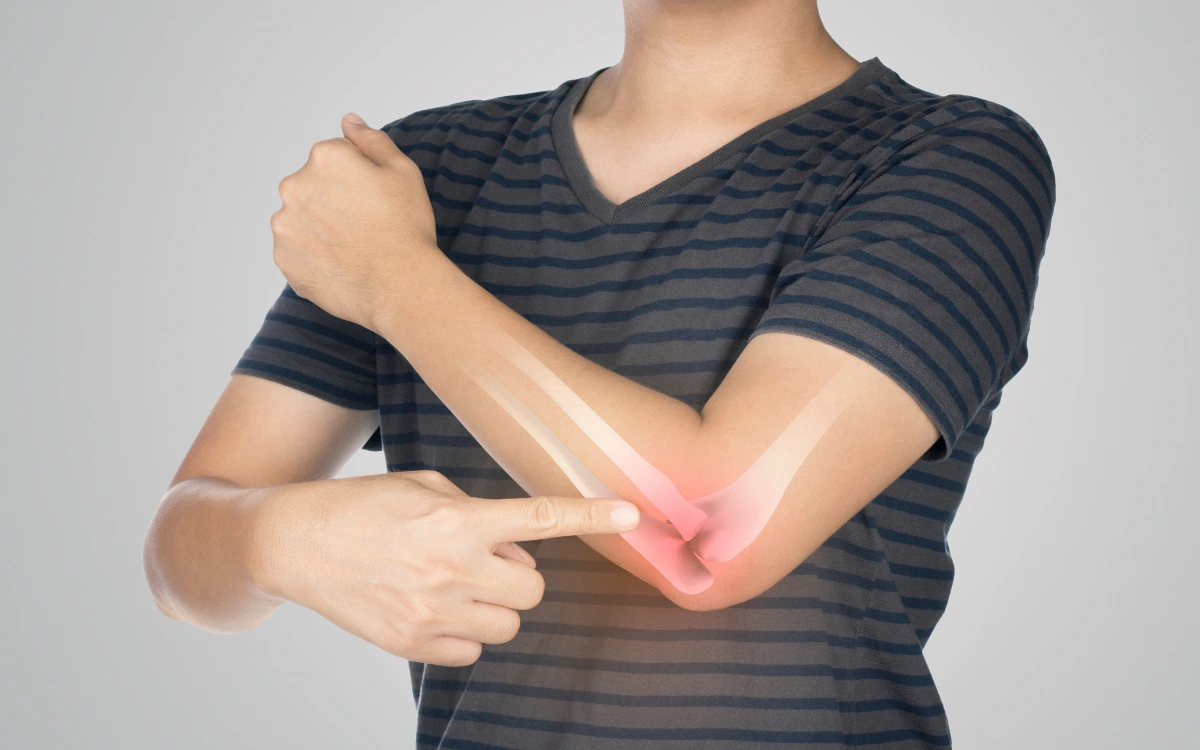
Elbow arthritis is a condition that affects many people around the world. It can cause pain, stiffness, swelling, and difficulty moving the arm. Everyday activities such as lifting objects, writing, cooking, or even shaking hands can become uncomfortable. As the condition progresses, it may affect a person’s quality of life and independence.
Many people with elbow arthritis look for treatment options that can help reduce pain and improve movement without major surgery. Traditional treatments often focus on managing symptoms, but newer approaches are now offering additional possibilities.
Regenerative Medicine for Elbow Arthritis has gained attention as an innovative treatment approach that aims to support the body’s natural healing process. It is becoming a popular option for individuals who want to explore non-surgical solutions for joint pain and mobility problems.
This article explains elbow arthritis, its causes, symptoms, and how regenerative medicine may help people find relief and improve their daily lives.
Understanding Elbow Arthritis
Arthritis is a condition that causes inflammation and damage within a joint. The elbow joint is made up of bones, cartilage, ligaments, and other tissues that work together to provide smooth movement.
Healthy cartilage acts as a cushion between bones. When arthritis develops, this cartilage can wear down over time. As a result, the bones may rub against each other, causing pain and stiffness.
There are several types of arthritis that can affect the elbow, including:
Osteoarthritis
Osteoarthritis is the most common form of arthritis. It usually develops gradually as cartilage wears away due to aging, repetitive use, or previous injuries.
Rheumatoid Arthritis
Rheumatoid arthritis is an autoimmune condition. The immune system mistakenly attacks the lining of the joints, causing inflammation and damage.
Post-Traumatic Arthritis
This type of arthritis develops after an injury such as a fracture, dislocation, or severe sprain. Joint damage from the injury can increase the risk of arthritis later in life.
Common Symptoms of Elbow Arthritis
Symptoms may vary depending on the severity of the condition. Common signs include:
- Pain in the elbow joint
- Stiffness, especially in the morning
- Swelling around the joint
- Reduced range of motion
- Clicking or grinding sensations
- Weakness in the arm
- Difficulty performing daily tasks
- Increased pain during physical activity
Some individuals experience symptoms that worsen gradually, while others may notice sudden flare-ups.
Causes and Risk Factors
Several factors can contribute to the development of elbow arthritis.
Aging
As people age, cartilage naturally becomes thinner and less flexible, increasing the risk of arthritis.
Previous Injuries
Past elbow injuries can accelerate joint degeneration and lead to arthritis.
Repetitive Movements
Jobs or sports that involve frequent elbow movement can place stress on the joint over time.
Autoimmune Disorders
Conditions such as rheumatoid arthritis can directly affect elbow joints.
Genetics
Family history may increase the likelihood of developing certain types of arthritis.
Obesity
Excess body weight can contribute to inflammation throughout the body and may worsen arthritis symptoms.
Traditional Treatment Options
Before discussing regenerative medicine, it is important to understand the common treatments often used for elbow arthritis.
Medications
Doctors may recommend pain relievers or anti-inflammatory medications to reduce discomfort and swelling.
Physical Therapy
Physical therapy can help strengthen muscles around the joint and improve flexibility.
Lifestyle Modifications
Patients may be advised to avoid activities that worsen symptoms and use supportive braces when necessary.
Corticosteroid Injections
These injections may reduce inflammation and provide temporary relief from pain.
Surgery
In severe cases, surgical procedures may be considered when conservative treatments no longer provide sufficient relief.
While these treatments can be effective, many focus primarily on symptom management rather than supporting tissue repair.
What Is Regenerative Medicine?
Regenerative medicine is a medical field that focuses on helping the body repair, replace, or regenerate damaged tissues.
Instead of only addressing symptoms, regenerative treatments aim to support natural healing mechanisms within the body. Researchers and healthcare professionals continue to explore how these therapies may benefit people with joint conditions, including elbow arthritis.
The goal is to improve joint function, reduce discomfort, and enhance overall quality of life.
How Regenerative Medicine May Help Elbow Arthritis
The elbow joint experiences constant movement throughout daily life. Damage to cartilage and surrounding tissues can make even simple activities difficult.
Regenerative medicine seeks to address underlying tissue damage by encouraging healing and repair processes within the joint.
Potential benefits may include:
- Reduced joint pain
- Improved flexibility
- Better joint function
- Reduced inflammation
- Enhanced mobility
- Delayed progression of joint degeneration
- Potential reduction in the need for surgery
Each patient’s response may vary depending on factors such as age, overall health, and the severity of arthritis.
Types of Regenerative Medicine Approaches
Several regenerative therapies are being explored for joint conditions.
Stem Cell Therapy
Stem cells have the unique ability to develop into different types of cells within the body. They also release substances that may support healing and reduce inflammation.
In orthopedic medicine, stem cells are often studied for their potential role in repairing damaged tissues and supporting joint health.
Platelet-Rich Plasma (PRP)
PRP therapy uses a concentrated portion of a patient’s own blood containing platelets and growth factors.
These growth factors may help stimulate healing responses within injured tissues and joints.
Biologic Treatments
Biologic therapies use natural substances derived from the body to support tissue regeneration and healing.
Research in this area continues to expand as scientists seek new ways to improve outcomes for patients with arthritis.
The Treatment Process
The exact treatment process may vary depending on the patient’s condition and the regenerative therapy being used.
Generally, the process includes:
Initial Consultation
A thorough evaluation is performed to assess symptoms, medical history, and joint condition.
Diagnostic Imaging
Imaging studies such as X-rays, MRI scans, or ultrasound may be used to evaluate the extent of joint damage.
Personalized Treatment Planning
A customized treatment plan is developed based on the patient’s needs and goals.
Procedure
The regenerative therapy is administered using specialized techniques designed to target the affected area.
Recovery and Follow-Up
Patients are monitored regularly to evaluate progress and make adjustments if needed.
Benefits of Choosing Regenerative Medicine
Many people are interested in regenerative medicine because it offers several potential advantages.
Minimally Invasive
Most regenerative procedures involve injections rather than large surgical incisions.
Shorter Recovery Time
Compared to surgery, recovery periods are often shorter.
Natural Healing Support
These treatments work with the body’s own biological processes.
Reduced Dependence on Medication
Some patients may experience symptom improvement that reduces their reliance on pain medications.
Improved Quality of Life
Better mobility and reduced pain can help individuals return to activities they enjoy.
Who May Be a Candidate?
Not everyone with elbow arthritis is a suitable candidate for regenerative medicine. A detailed evaluation is necessary to determine whether the treatment may be appropriate.
Potential candidates may include:
- Individuals with mild to moderate arthritis
- Patients seeking non-surgical treatment options
- People experiencing chronic elbow pain
- Individuals who have not achieved sufficient relief from conventional treatments
- Active adults who wish to maintain mobility and function
A healthcare professional can provide guidance based on individual circumstances.
Lifestyle Tips to Support Joint Health
While medical treatment plays an important role, healthy lifestyle habits can also help support elbow function.
Stay Active
Gentle exercises can help maintain joint flexibility and strength.
Follow a Healthy Diet
A balanced diet rich in nutrients supports overall joint health.
Maintain a Healthy Weight
Managing body weight can help reduce inflammation and support musculoskeletal health.
Protect the Joint
Avoid repetitive movements that place excessive strain on the elbow.
Follow Rehabilitation Guidelines
Completing recommended physical therapy exercises can improve treatment outcomes.
What Does Research Say?
Research into regenerative medicine continues to grow. Studies have explored the use of stem cells, platelet-rich plasma, and other biologic therapies for various joint conditions.
Many findings suggest that regenerative approaches may help reduce pain and improve function in selected patients. However, researchers continue to investigate long-term outcomes and determine which individuals may benefit the most.
As scientific knowledge advances, regenerative medicine may continue to play an increasingly important role in orthopedic care.
Setting Realistic Expectations
It is important for patients to understand that results can vary. Regenerative medicine is not a guaranteed cure for arthritis.
Factors that influence outcomes include:
- Severity of joint damage
- Age
- Overall health
- Lifestyle habits
- Type of regenerative therapy used
Some individuals may experience noticeable improvements, while others may have more modest results. Open communication with a qualified specialist is essential when considering treatment options.
Conclusion
Elbow arthritis can significantly affect daily life by causing pain, stiffness, and limited movement. While traditional treatments remain valuable, regenerative medicine offers an exciting area of modern healthcare that focuses on supporting the body’s natural healing processes.
Regenerative Medicine for Elbow Arthritis may help reduce discomfort, improve mobility, and enhance overall quality of life for suitable candidates. As research continues to advance, these therapies are becoming an increasingly important option for individuals seeking alternatives to surgery.
For personalized guidance and a comprehensive evaluation, consulting an experienced orthopedic specialist such as Dr Marouane Bouloudhnine can help determine the most appropriate treatment approach based on your individual needs and goals.







Post Comment