Early Detection of Skin Cancer Can Save Lives – Here’s How
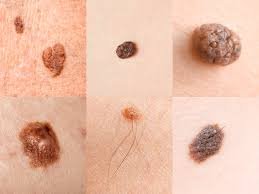
Skin cancer is one of the most common types of cancer worldwide, but it is also one of the most preventable and treatable—especially when detected early. Despite growing awareness, many people still overlook the early signs, often assuming that changes in their skin are harmless. The truth is, early detection of skin cancer can significantly increase the chances of successful treatment and survival.
Understanding how to identify potential warning signs and taking proactive steps can truly make a life-saving difference.
Why Early Detection Matters
Skin cancer develops when skin cells grow abnormally, often due to prolonged exposure to ultraviolet (UV) radiation from the sun or tanning beds. The three main types include basal cell carcinoma, squamous cell carcinoma, and melanoma—the most dangerous form.
When detected in its early stages, skin cancer is highly treatable. In many cases, it can be removed before it spreads to other parts of the body. However, if left unnoticed, certain types like melanoma can become aggressive and life-threatening.
This is why early detection is not just important—it is critical.
Know Your Skin: The First Step to Detection
One of the simplest yet most effective ways to detect skin cancer early is by becoming familiar with your own skin. Regularly checking your skin helps you notice any unusual changes quickly.
Look for:
- New moles or growths
- Changes in the size, shape, or color of existing moles
- Sores that do not heal
- Red or scaly patches
- Itching, bleeding, or crusting areas
The earlier you notice these signs, the sooner you can seek medical advice.
The ABCDE Rule of Melanoma
A widely recommended method for identifying suspicious moles is the ABCDE rule:
- A – Asymmetry: One half of the mole doesn’t match the other
- B – Border: Irregular, blurred, or jagged edges
- C – Color: Multiple colors or uneven shading
- D – Diameter: Larger than 6mm (about the size of a pencil eraser)
- E – Evolving: Any change in size, shape, color, or texture
If a mole shows any of these characteristics, it’s essential to get it checked by a professional.
Perform Regular Skin Self-Examinations
Monthly self-examinations are a powerful tool in early detection. Use a mirror to check all areas of your body, including hard-to-see spots like your back, scalp, and between your toes.
Make it a habit to:
- Examine your entire body in good lighting
- Use a hand mirror for difficult areas
- Take photos to track changes over time
Consistency is key. The more regularly you check, the more likely you are to spot something unusual early.
Don’t Skip Professional Skin Checks
While self-exams are important, they are not a substitute for professional evaluations. Dermatologists are trained to detect subtle signs that may not be obvious to the untrained eye.
It is recommended to have a full-body skin check at least once a year, or more frequently if you are at higher risk. Risk factors include:
- Fair skin or a history of sunburns
- Excessive sun exposure
- Family history of skin cancer
- A large number of moles
A professional screening can detect potential issues before they become serious.
The Role of Technology in Early Detection
Advancements in medical technology have made early detection more accurate and efficient. Tools like dermoscopy allow doctors to examine skin lesions in greater detail.
Digital mole mapping and AI-assisted diagnostics are also becoming more common, helping track changes over time and identify suspicious patterns early.
These innovations are making it easier than ever to detect skin cancer at its earliest stages.
Prevention Goes Hand in Hand with Detection
While early detection saves lives, prevention reduces risk. Protecting your skin from UV exposure plays a major role in lowering your chances of developing skin cancer.
Simple preventive measures include:
- Wearing sunscreen with SPF 30 or higher daily
- Using protective clothing, hats, and sunglasses
- Avoiding peak sun hours (10 AM to 4 PM)
- Seeking shade whenever possible
Combining prevention with early detection creates the strongest defense against skin cancer.
When to See a Doctor
Many people delay seeking medical advice, hoping that skin changes will go away on their own. This delay can be dangerous.
You should consult a doctor if:
- A mole changes rapidly
- A sore does not heal within a few weeks
- You notice unusual growth or discoloration
- There is persistent itching, pain, or bleeding
It’s always better to be cautious. Early consultation can lead to early diagnosis—and better outcomes.
Final Thoughts
Skin cancer may be common, but it doesn’t have to be deadly. Early detection is the key to saving lives. By staying aware of your skin, performing regular self-checks, and scheduling professional screenings, you can take control of your skin health.
Remember, even small changes can be significant. Don’t ignore what your skin is trying to tell you. Acting early can make all the difference—not just in treatment, but in survival.
Make skin checks a regular part of your routine and encourage your loved ones to do the same. Because when it comes to skin cancer, early detection truly saves lives.





Post Comment