Custom Cosmetic Packaging: A Growing Priority for Beauty Brands
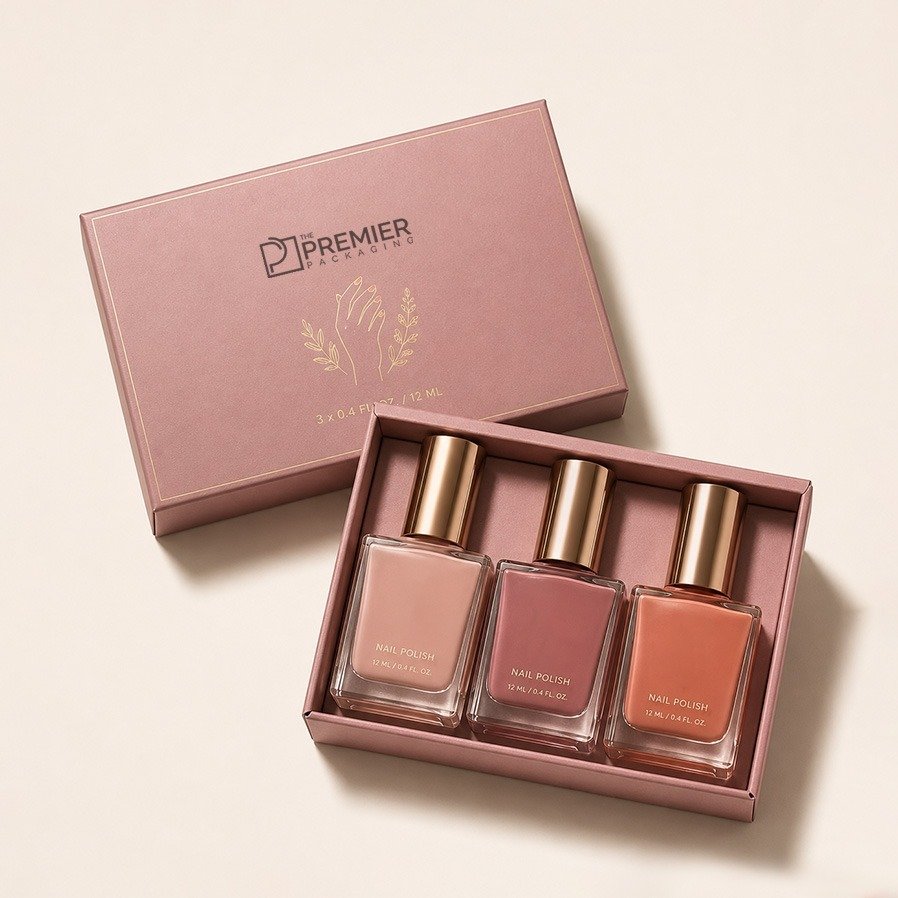
Walk down any beauty aisle, or scroll through an Instagram unboxing video, and one thing becomes obvious fast — packaging has become part of the product itself. Beauty brands aren’t just selling a cream, serum, or palette anymore; they’re selling an entire sensory experience, and packaging is where that experience begins. What used to be an afterthought in product development has now moved to the center of brand strategy.
The Shift From Function to Experience
A decade ago, cosmetic packaging existed mainly to hold and protect the product. Today, it does far more. Customers judge quality, luxury, and trustworthiness within seconds of seeing a box or bottle — often before they’ve read a single ingredient. This shift means packaging decisions now sit alongside formulation and marketing as core parts of a beauty brand’s identity, not a final-step logistics detail.
Why This Trend Keeps Accelerating
Several forces are pushing beauty brands to treat packaging as a growth lever rather than a cost center:
- Social sharing culture — Unboxing videos and “shelfies” turn packaging into free marketing
- Rising competition — Crowded markets mean visual differentiation matters more than ever
- Sustainability expectations — Customers increasingly factor materials into buying decisions
- E-commerce growth — Packaging now has to protect products in transit while still impressing on arrival
What’s Driving Demand in the Cosmetic Packaging UK Market
Across the cosmetic packaging UK sector, demand has grown steadily as indie beauty brands and established names alike compete for shelf and screen attention. UK consumers, particularly through platforms like tik tok and Instagram, have become highly attuned to packaging aesthetics, often forming opinions about product quality based on box design alone. This has pushed local manufacturers to offer faster turnaround times, smaller minimum order quantities, and more sustainable material options — changes that benefit both large cosmetic houses and smaller independent brands trying to compete on a limited budget.
Materials Shaping Modern Cosmetic Packaging
| Material | Common Use | Key Advantage |
| Rigid Chipboard | Premium gift sets, palettes | Sturdy, luxury feel |
| Kraft Paperboard | Skincare, natural brands | Eco-friendly, minimalist look |
| Coated Cardboard | Everyday cosmetic boxes | Vibrant print quality |
| Corrugated Board | Bulk shipping, subscription boxes | Strong transit protection |
| Recycled Board | Sustainable brand lines | Lower environmental impact |
Design Choices That Influence Buying Decisions
Beauty packaging design isn’t just decoration — every choice sends a signal to the customer:
- Color palette communicates brand personality (soft pastels vs. bold, high-contrast tones)
- Typography hints at whether a brand feels clinical, luxurious, or playful
- Finish (matte, gloss, soft-touch) affects perceived price point
- Window cut-outs build trust by letting customers see the product before opening
Small details like these often influence purchase decisions more than customers consciously realize.
Sustainability: No Longer Optional
Beauty brands face growing pressure to reduce packaging waste, and customers are paying attention. Recyclable boxes, soy-based inks, and reduced plastic components have moved from “nice to have” to genuine purchase-influencing factors. Brands that communicate sustainability efforts clearly on their packaging often build stronger trust and repeat purchase behavior compared to those that don’t.
Practical Advice for Beauty Brands Choosing Packaging
- Match box thickness to product weight and fragility
- Test packaging under real shipping conditions before bulk ordering
- Keep branding consistent across your entire product line
- Consider window displays for products where visual appeal matters most
- Don’t overlook interior design — tissue paper and inserts matter too
Frequently Asked Questions
Q: Why does cosmetic packaging cost more than standard product boxes?
A: Cosmetic packaging often requires higher-quality printing, specialty finishes, and precise structural design to protect delicate items like glass bottles or powder compacts, which increases production complexity and cost.
Q: What packaging material is best for skincare products?
A: It depends on the product — glass bottles typically need rigid or corrugated outer boxes for shock protection, while lightweight items like sheet masks can use simpler paperboard cartons.
Q: How important is sustainability in cosmetic packaging today?
A: Very important — many customers now actively check packaging materials before purchasing, making sustainable options a genuine competitive advantage rather than just an ethical choice.
Q: Can small, independent beauty brands afford custom packaging?
A: Yes, many manufacturers now offer low minimum order quantities specifically to support smaller and emerging brands entering the market.
Q: Does packaging design actually affect sales?
A: Research and industry data consistently show that packaging design significantly influences first impressions and purchase decisions, particularly in visually driven markets like beauty and cosmetics.
Final Thoughts
Cosmetic packaging has evolved from a simple protective necessity into one of the most influential touchpoints a beauty brand has with its customers. As competition intensifies and consumer expectations rise, brands that treat packaging as a strategic priority — not an afterthought — are the ones building stronger recognition, trust, and long-term customer loyalty.




Post Comment