Citric Acid Price: Understanding Cost and Quality Factors

Citric Acid Market Pricing
قیمت اسید سیتریک — the price of citric acid — has been shaped over the past three decades by the dramatic growth of Chinese production capacity that has transformed this market from a moderately concentrated Western industry into a globally competitive market dominated by Chinese producers. Understanding the current pricing landscape, the factors that drive price movements, and the quality considerations that create price stratification within the citric acid market helps industrial buyers make more informed procurement decisions.
Chinese Production Dominance and Its Pricing Implications
China accounts for approximately 70 to 80 percent of global citric acid production capacity, with major producers including COFCO, TTCA, and numerous other fermentation companies. The growth of Chinese citric acid production from the 1990s onward created massive new global capacity that reduced citric acid prices from the levels maintained by the more concentrated Western industry that preceded Chinese market entry. Today, Chinese citric acid production sets the price floor for the global market, with ex-China prices reflecting Chinese production costs plus export logistics, and non-Chinese producers needing to compete on quality, service, and reliability rather than on production cost.
Fermentation Feedstock Costs
Citric acid is produced by the aerobic fermentation of sugars — primarily glucose derived from corn starch in China, though sugarcane molasses and other carbohydrate sources are also used — by Aspergillus niger fungi. The cost of the carbohydrate feedstock is the most important variable production cost input, and corn and sugar price movements therefore directly affect citric acid production economics. Years with high corn prices in major corn-producing regions tend to push citric acid production costs higher in Chinese facilities, creating upward price pressure that eventually flows through to buyers. Monitoring agricultural commodity prices — particularly US corn futures and sugar prices — provides advance warning of potential citric acid production cost changes.
Grade Premiums and Quality Differentiation
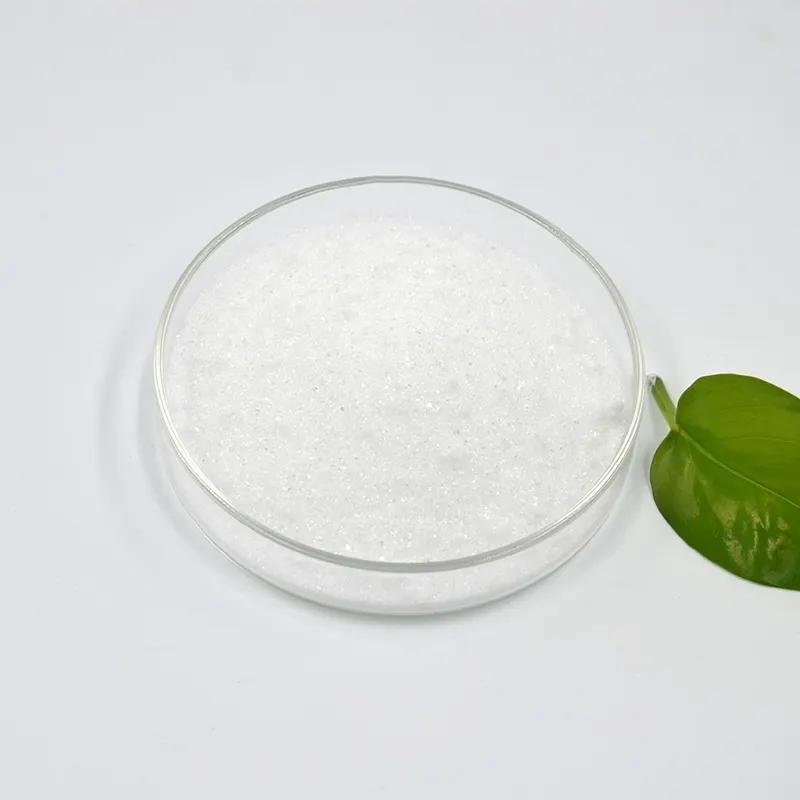
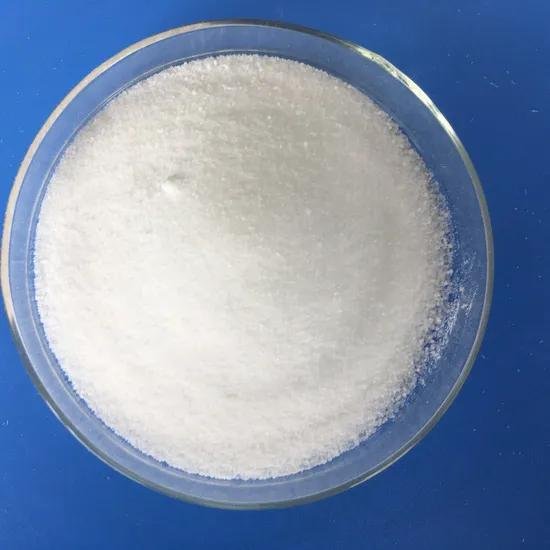
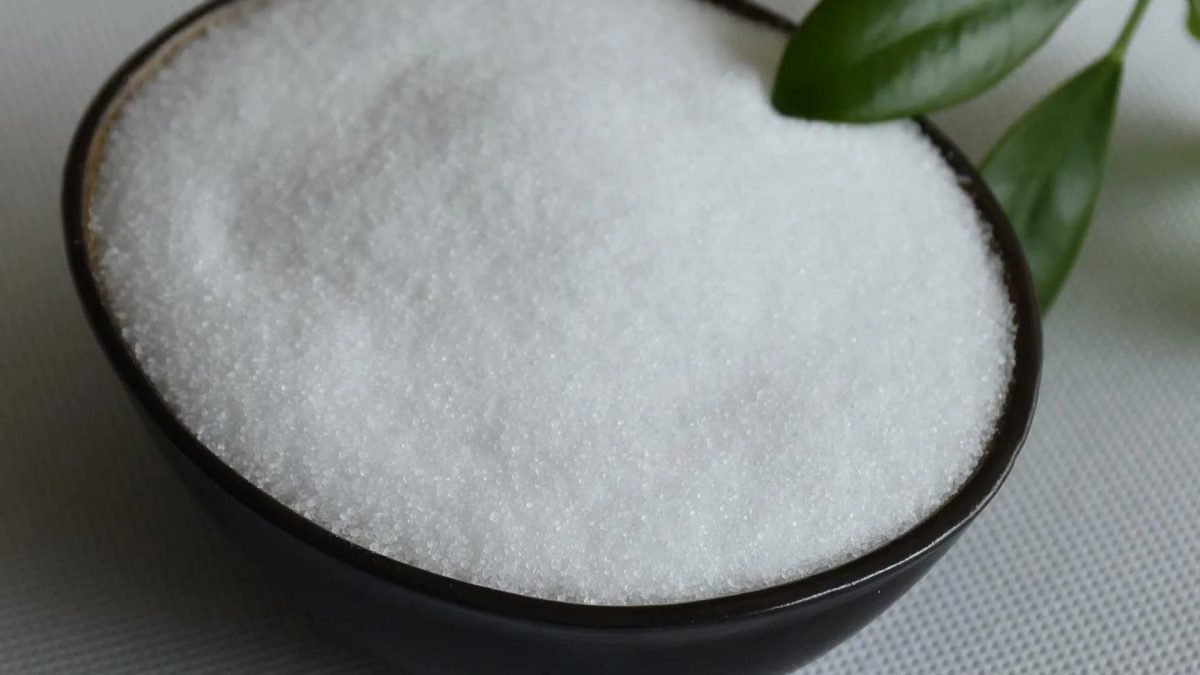
The citric acid price structure includes differentiation between the monohydrate and anhydrous forms, between food grade and pharmaceutical grade materials, and between different physical forms including fine powder, coarse powder, and granular grades. The monohydrate form contains one water molecule per citric acid molecule, reducing the active citric acid content per unit weight — buyers should account for this when comparing prices of monohydrate versus anhydrous material. Pharmaceutical grade material with full pharmacopoeia compliance and GMP production documentation carries a meaningful premium over food grade material that in turn commands a premium over technical grade.
Seasonal Demand Patterns
Citric acid demand exhibits seasonal patterns from the major consuming industries. Beverage production peaks in warmer months in many markets, driving higher citric acid demand in the spring and early summer period as producers build beverage inventories. Cleaning product demand patterns vary with seasonal cleaning activity. These demand patterns create some predictable seasonality in citric acid market pricing that buyers with procurement flexibility can take advantage of by purchasing ahead of seasonal demand peaks.
Transport and Logistics Cost Components
The logistics cost of importing citric acid from Chinese producers to buyers in other regions represents a meaningful component of the delivered cost. Sea freight rates — which have exhibited extraordinary volatility in recent years — directly affect the landed cost of Chinese citric acid at destination ports. Import duties applicable in some markets add further cost above the ex-China price. And inland logistics from port to buyer facility complete the logistics cost stack. These logistics costs can represent 15 to 30 percent or more of the ex-China production price depending on the destination market and prevailing freight rates.
Long-Term Supply Agreement Strategies
Industrial buyers with predictable citric acid consumption benefit from supply agreements that provide pricing stability. Fixed-price annual supply agreements with Chinese producers or with distributors who hold inventory positions provide predictability at the cost of flexibility to benefit from spot market price decreases. Formula-based pricing linked to published feedstock indices provides transparent pricing that tracks production cost without requiring frequent price renegotiation.




Post Comment