Better With Age: Fashion Keeps Getting Stronger
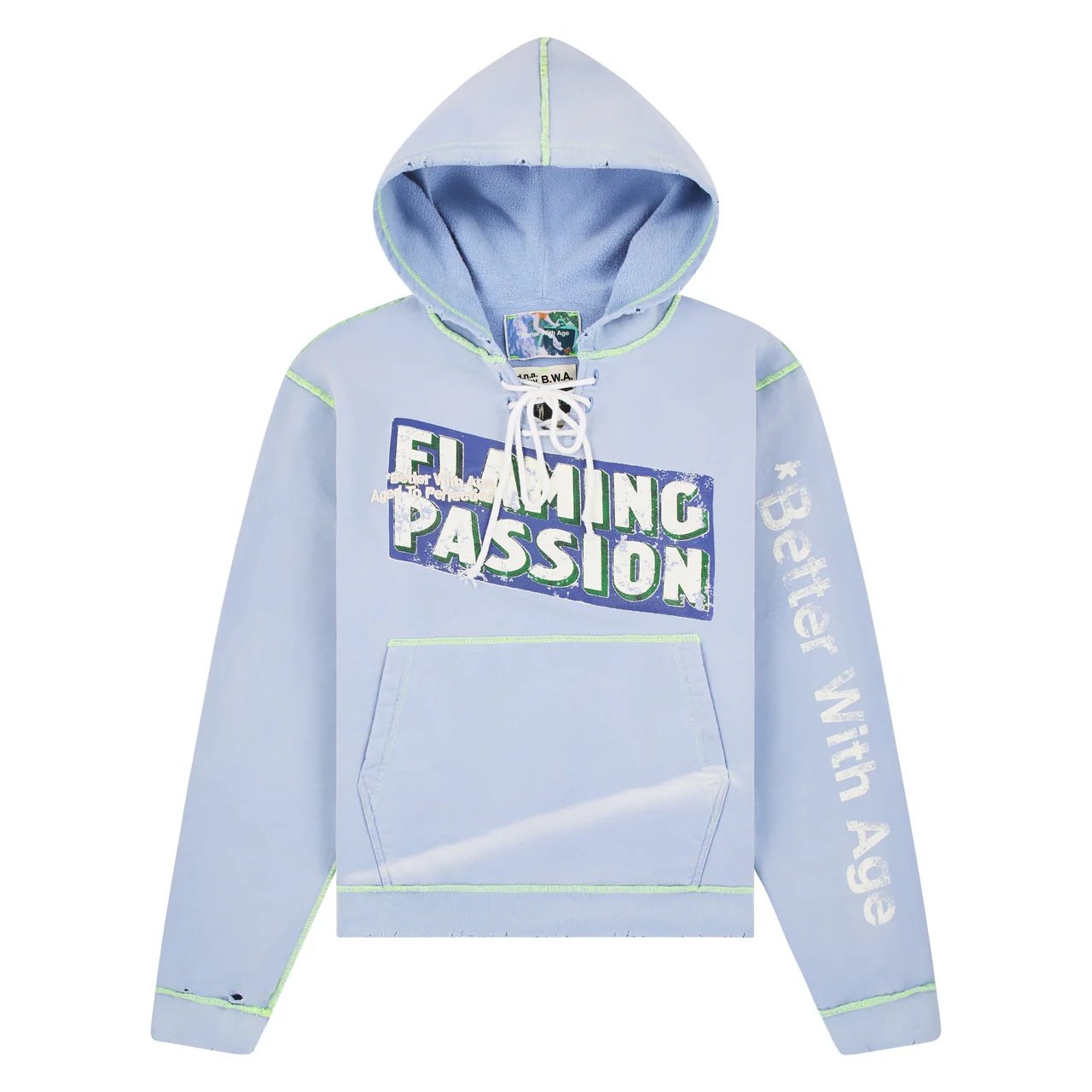
Introduction
Fashion trends come and go faster than a scrolling social media feed, yet some styles seem to gain more personality, value, and emotional connection as time passes. That idea sits at the heart of Better With Age clothing. Instead of focusing on disposable trends that lose appeal after a single season, this fashion philosophy celebrates garments that evolve beautifully through wear, memories, fading, and texture. Think about a perfectly worn denim jacket, a leather coat with natural creases, or sneakers that tell stories through every scuff mark. Those items do not look “old.” They look lived in, authentic, and deeply personal.
The growing popularity of Better With Age fashion reflects a massive cultural shift. Consumers are becoming more conscious about sustainability, quality, and individuality. In a world flooded with fast fashion products manufactured for short-term use, people are searching for pieces that carry emotional weight and long-term value. Clothing is no longer just about appearance; it is becoming a form of identity and storytelling. Many younger consumers now prefer vintage-inspired garments or premium basics designed to improve with wear instead of deteriorating after a few washes.
This movement is also fueled by nostalgia and craftsmanship. Brands embracing the “better with age” concept often prioritize durable materials like heavyweight cotton, selvedge denim, wool, and genuine leather. These fabrics adapt to the wearer over time, almost like a second skin. The result is a wardrobe filled with unique pieces that cannot be perfectly replicated by mass production. Every fade line, wrinkle, and repair becomes part of the item’s character.
The appeal stretches across generations because timeless clothing taps into something deeply human. People naturally connect with objects that hold memories and evolve alongside them. A faded hoodie from college or a broken-in pair of boots from years of travel often carries more emotional value than brand-new designer pieces. That emotional connection is transforming how consumers define luxury and style in today’s fashion landscape.
Understanding the Meaning Behind Better With Age Clothing
At its core, Better With Age clothing refers to garments designed to improve aesthetically, structurally, or emotionally over time. Unlike trendy fast-fashion items that lose shape and relevance quickly, these pieces develop character through regular use. The concept blends durability, craftsmanship, nostalgia, and authenticity into a single fashion philosophy. It is similar to how fine wine matures or how antique furniture gains charm through decades of use. The imperfections become part of the beauty rather than flaws to hide.
One reason this idea resonates strongly today is because consumers are exhausted by disposable culture. Fast fashion dominated the industry for years by producing inexpensive clothing at lightning speed, but that convenience came with serious downsides. Many garments lacked quality, environmental responsibility, and individuality. Shirts faded unevenly after a few washes, seams ripped easily, and styles became outdated almost immediately. People began realizing they were spending more money replacing cheap clothes than investing in quality pieces from the start.
The “better with age” movement challenges that mindset completely. Instead of asking, “How new does this look?” consumers now ask, “How will this evolve over time?” That subtle shift changes purchasing habits dramatically. Buyers seek fabrics that age naturally, stitching that lasts for years, and silhouettes that remain stylish regardless of seasonal trends. A heavyweight hoodie or raw denim jeans may initially feel stiff or plain, but after months of wear, they mold uniquely to the wearer’s body and lifestyle.
There is also an emotional layer that makes these garments special. Clothes often become markers of important life moments. A jacket worn during a memorable road trip or boots used daily through major life changes gain sentimental value impossible to duplicate. Fashion becomes less transactional and more personal. That emotional durability is becoming just as important as physical durability in modern style culture.
How the Fashion Industry Shifted Toward Longevity
The fashion industry has undergone a noticeable transformation during the past decade. While fast fashion still dominates globally, many brands are pivoting toward longevity-focused collections. Better With Age Shirt This change is not happening randomly. It is being driven by consumer demand, environmental awareness, and changing definitions of luxury. Shoppers are beginning to appreciate fewer high-quality pieces instead of closets overflowing with disposable trends.
A major catalyst behind this shift is sustainability. According to the United Nations Environment Programme, the fashion industry contributes nearly 10% of global carbon emissions. That statistic shocked many consumers and encouraged more mindful shopping habits. People started asking difficult questions about where clothes come from, how they are produced, and how long they actually last. Brands that emphasized durability and timeless design suddenly gained a competitive advantage.
Luxury fashion also played an important role. High-end labels began reintroducing heritage craftsmanship, vintage aesthetics, and distressed finishes that mimic natural aging. Ironically, consumers started paying premium prices for garments intentionally designed to look worn-in. Distressed denim, faded hoodies, cracked leather, and washed-out graphics became symbols of authenticity instead of signs of deterioration.
Social media accelerated the movement further. Platforms like TikTok, Instagram, and Pinterest turned vintage fashion into a global obsession. Influencers showcased thrifted outfits, archival designer pieces, and capsule wardrobes built around timeless staples. Younger generations became fascinated with clothing that carried visible history and personality. The polished perfection of brand-new garments suddenly felt less interesting than unique pieces with texture and depth.
Brands responded by creating collections centered around longevity. Companies now market heavyweight cotton, Japanese denim, naturally dyed fabrics, and repair-friendly construction as selling points. Fashion is evolving from temporary entertainment into a long-term investment strategy.
Why Consumers Are Rejecting Fast Fashion
Consumers are increasingly walking away from fast fashion because the hidden costs are becoming impossible to ignore. Cheap clothing may offer instant gratification, but it often sacrifices quality, ethics, and sustainability in the process. Many shoppers have experienced the frustration of buying trendy items that lose shape, shrink, fade, or tear after only a few wears. That cycle creates both financial waste and emotional dissatisfaction.
Another major factor is individuality. Fast fashion flooded the market with identical designs, making personal style feel repetitive and mass-produced. People now crave uniqueness and authenticity in their wardrobes. Wearing vintage-inspired or naturally aged clothing allows individuals to stand out because every piece evolves differently over time. No two faded denim jackets age in exactly the same way.
Environmental concerns are also reshaping consumer behavior. Millions of tons of clothing end up in landfills annually, much of it made from low-quality synthetic materials that do not biodegrade easily. Documentaries, investigative reports, and social media campaigns have exposed the environmental damage caused by overproduction and textile waste. Consumers are becoming more intentional about purchasing fewer but better items.
There is also a psychological component. Constantly chasing trends can feel exhausting and financially draining. Timeless clothing offers relief from that pressure. Instead of rebuilding a wardrobe every season, consumers can invest in versatile pieces that remain stylish year after year. A classic leather jacket or well-made pair of boots does not depend on trend cycles to stay relevant.
This rejection of fast fashion represents more than a shopping preference. It reflects a broader cultural desire for authenticity, responsibility, and emotional connection. People are no longer satisfied with clothing designed for temporary attention. They want garments that evolve alongside their lives, collecting stories and memories with every wear. Shop Now





Post Comment