Best Practices in Access Control for Protecting CCTV Data
Understanding the Importance of CCTV Data Protection
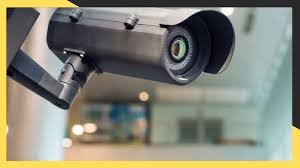
In India, CCTV cameras are found almost everywhere. They serve many purposes such as crime prevention, traffic regulation enforcement and facility security. The vast amount of data collected by these cameras requires strict protection. CCTV data includes video footage, timestamps, and other personal information. In order to maintain public trust and comply with privacy laws, it is necessary to ensure the integrity and confidentiality of the data.
Implementing Access Control Measures
The first line of defense is access control. It prevents unauthorized access to CCTV footage. In India, protecting privacy is considered a fundamental human right. Therefore, access controls must be strict. Here are some tips:
- Role-Based Access Control: It is important to implement Role-Based Access Control to manage access privileges according to job roles. Only authorized security personnel will be able to access the live feeds while administrative staff is only able to access historical data.
- Multifactor Authentication (MFA). Use MFA to access CCTV data systems. It involves using various forms of authentication, such as biometrics and passwords.
- Regular Audits of Access: It’s important to perform regular audits in order to update and revise the access permissions. It is important to ensure that only authorized individuals are granted access and the privilege access corresponds with the current functions of those concerned.”
CCTV encryption for enhanced security
It is essential to encrypt CCTV data for transmission and storage. This ensures that unauthorised individuals will not be able to decipher information. Encryption is vital in India due to the increasing cybersecurity risks.
- End-to end encryption: Encrypt the data from the moment it is captured by the CCTV cameras up until the time it is reviewed. This will ensure the integrity of data while it is in transit.
- Encrypt data in CCTV storage devices. In the event of theft or unauthorized entry to storage devices, encrypted data cannot be read. It remains protected until decryption key is used.
- Regularly update encryption keys to improve security. This practice does reduce the risk posed by old or compromised keys.
Secure CCTV Storage Encryption
CCTV storage encryption is a crucial issue for data protection, as it ensures the security of all recorded information. The following are some best practices to secure CCTV storage. Also visit cctv installation Dubai.
- Invest in secure storage solutions: You should invest in storage systems that have high levels of encryption. Most storage devices today are designed with advanced security features to protect data.
- Limit access to Storage Infrastructures: Restrict both physical and logical accessibility to storage infrastructures. If the storage facility or network are accessed without authorization, the stored CCTV data may be compromised.
- Regular Data Integrity Tests: Conduct quality control tests on the security and archiving of CCTV data. Any discrepancy or signs of manipulation should be investigated and corrected.
Software Update Management
Due to the constant evolution of cybersecurity, it is important to update all software and software firmware including operating software, camera firmware and other applications.
- Automated patching: Install updates and patches automatically to ensure that security is updated.
- Buy from a reputable brand that offers frequent updates and vendor support. To combat new threats, it is essential to stay up to date with security patches.
It is not easy to protect CCTV data. You must combine physical access control with secure data encryption, good archive practices and other security features. The use of proactive measures to protect CCTV data is crucial for organisations and individuals, especially when privacy concerns are important. Strong role-based controls for access, encryption strategies, and a strict monitoring of updates are all necessary to ensure the integrity of CCTV data. In the future, it will be important to maintain information about these since nobody can predict where CCTV data security is headed in India and what’s required.


Post Comment