Backyard Installation for New Homes: A Complete Planning Guide
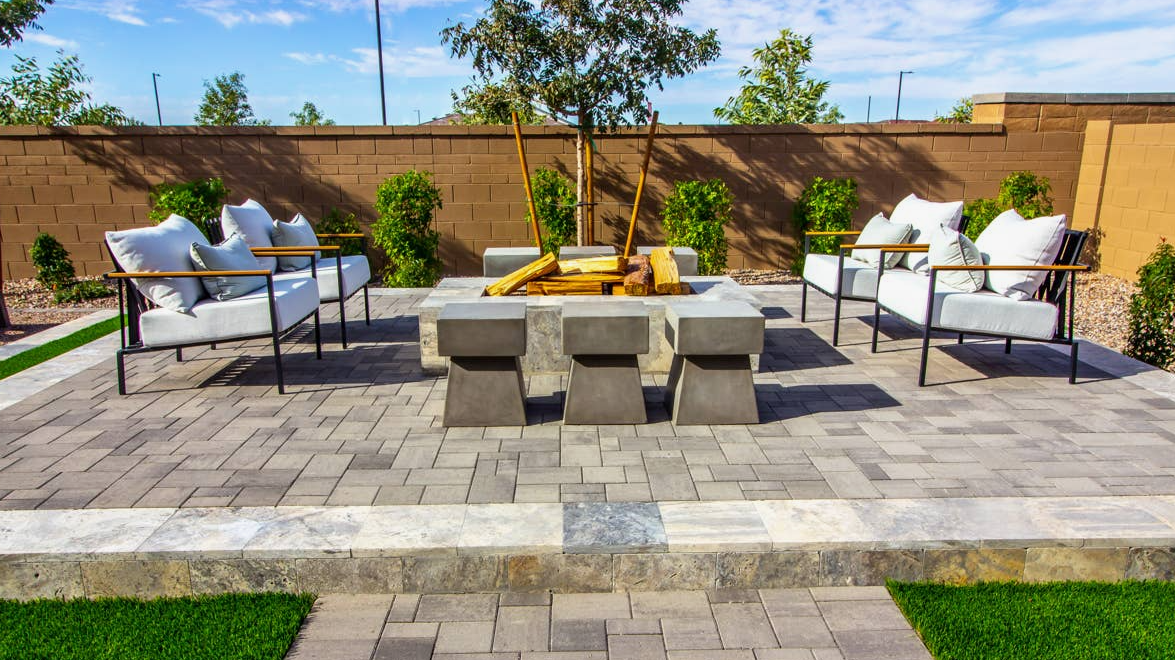
A newly constructed home provides a clean starting point for designing an outdoor environment that matches the property’s architecture and the homeowner’s lifestyle. While the house itself may be complete, the backyard often requires substantial planning before it becomes a comfortable and usable part of the property. Thoughtful backyard installation for new homes can transform an undeveloped area into an organized outdoor space with patios, lawns, planting areas, walkways, seating zones, drainage solutions, and other features that support everyday living. Addressing the backyard early can also help homeowners avoid expensive changes later when landscaping and hardscaping need to work around established features.
New homeowners often have different priorities depending on how they expect to use their property. Some want a spacious area for entertaining, while others may prefer low-maintenance landscaping, children’s play areas, private seating, or outdoor cooking spaces. A successful backyard installation for new homes should therefore begin with the property’s layout and the family’s needs rather than a predetermined collection of features. By considering grading, drainage, access, soil conditions, sunlight, privacy, and future improvements from the beginning, homeowners can develop an outdoor space that feels like a natural extension of the home.
Start With a Comprehensive Backyard Assessment
Before selecting plants, paving materials, or outdoor features, the site should be evaluated as a complete system. New construction sites may contain compacted soil, construction debris, uneven grades, temporary access routes, or drainage conditions that need attention. Understanding the existing elevations and identifying where water naturally moves can influence the location of patios, planting beds, lawns, retaining walls, and other improvements. The position of doors, windows, utility areas, fences, and neighboring properties should also be considered because these elements affect circulation and privacy. A thorough assessment creates a practical foundation for the design and reduces the possibility of discovering major site limitations after installation has already begun.
Develop a Backyard Layout Around Your Lifestyle
A backyard should be designed around the activities that matter most to the household. Homeowners who frequently entertain may benefit from a patio positioned near the kitchen or main living area, while families with children may need open lawn space and clear sightlines. A homeowner interested in quiet relaxation might prioritize a private seating area surrounded by landscaping. These zones can be connected through pathways and transitions that make movement throughout the yard feel natural. Planning furniture placement at the design stage is also useful because a patio should have enough room for tables, chairs, grills, or other furnishings without restricting circulation. A well-planned layout makes the outdoor space easier to use and prevents valuable areas from being consumed by features that do not serve a practical purpose.
Plan Drainage and Grading Before Landscaping
Drainage deserves particular attention on newly developed properties because the final landscape can influence how water moves across the site. Grading should direct water away from the home’s foundation and prevent unnecessary accumulation around patios, walkways, planting beds, and other structures. Depending on the property’s conditions, drainage improvements may involve grading adjustments, surface drainage solutions, or other methods designed for the specific site. Landscaping should not be installed before these underlying concerns are addressed. Correcting drainage after plants, lawns, and hardscape are already established can be disruptive and costly. Including drainage considerations in the original design provides a more reliable foundation for the entire backyard.
Choose Hardscape Materials With Purpose
Hardscape often establishes the structure of a backyard, providing durable surfaces for walking, dining, gathering, and accessing different areas. Options can include pavers, concrete, natural stone, retaining walls, steps, and other constructed features. Material selection should consider appearance, expected foot traffic, maintenance requirements, and compatibility with the home’s exterior. Color and texture are also important because hardscape can occupy a significant visual area. Rather than choosing each material separately, homeowners should consider how patios, pathways, walls, and borders will look together. A coordinated material palette can help the backyard feel connected to the home’s architecture while still allowing individual areas to have their own character.
Integrate Landscaping With the Home’s Architecture
New homes often have defined architectural styles that can guide the landscape design. Clean architectural lines may pair naturally with structured planting and simple hardscape patterns, while more traditional homes may accommodate softer transitions and layered planting arrangements. Landscaping can also help frame views, soften large exterior surfaces, and improve privacy around gathering areas. Trees, shrubs, ornamental plants, ground covers, and lawn areas should be selected according to their expected size, maintenance needs, sunlight requirements, and location within the yard. Planning for mature growth is especially important because plants that appear appropriately sized when installed can eventually become crowded or interfere with structures if spacing is not considered carefully.
Consider Outdoor Living Features From the Beginning
New homeowners frequently add outdoor features gradually, but planning for future additions during the initial design can prevent unnecessary reconstruction. Potential features may include outdoor kitchens, fire features, lighting, seating areas, pergolas, water elements, or expanded entertainment spaces. Not every backyard needs all of these additions, and the most successful designs usually focus on features that genuinely support the homeowner’s lifestyle. However, reserving appropriate space and considering utility requirements early can make future improvements significantly easier. For example, a planned entertainment area can be designed with enough circulation space to accommodate additional seating or cooking equipment without disrupting established landscaping.
Think About Maintenance Before Installation
The long-term maintenance requirements of a backyard should be considered before materials and plants are selected. A homeowner who wants to minimize routine maintenance may prefer durable hardscape, carefully selected planting areas, efficient irrigation, and appropriately sized lawn zones. Others may enjoy gardening and want more extensive planting beds. The key is to match the landscape to the amount of time and effort the household is realistically willing to invest. Plant placement should also allow sufficient access for trimming, irrigation, seasonal care, and other maintenance tasks. Designing with maintenance in mind helps prevent a beautiful new landscape from becoming difficult to manage later.
Build in Phases When the Budget Requires Flexibility
A complete backyard transformation does not always have to happen at once. New homeowners may choose to establish essential grading, drainage, hardscape, and basic landscaping first, then add secondary features as their budget allows. A phased approach can work particularly well when the overall master plan is established before construction begins. Future additions can then follow the original layout rather than forcing homeowners to remove or modify completed work. Establishing priorities also makes it easier to distinguish between essential infrastructure and optional enhancements. This approach can provide a practical path toward a complete outdoor environment without compromising the long-term vision.
Conclusion
A new home offers an excellent opportunity to design the backyard as an intentional extension of the property’s living space rather than treating landscaping as an afterthought. Successful backyard installation for new homes starts with understanding the site, planning drainage and grading, creating useful activity zones, selecting appropriate hardscape and plants, and considering future needs before construction begins. Homeowners should also evaluate maintenance requirements and decide whether a complete installation or phased development better fits their circumstances. With careful planning and professional execution, an unfinished backyard can become a functional, attractive, and durable outdoor environment that complements the home and supports the way the property will be enjoyed for years to come.



Post Comment