Reliable Ants Control Solutions for Homes in Canada
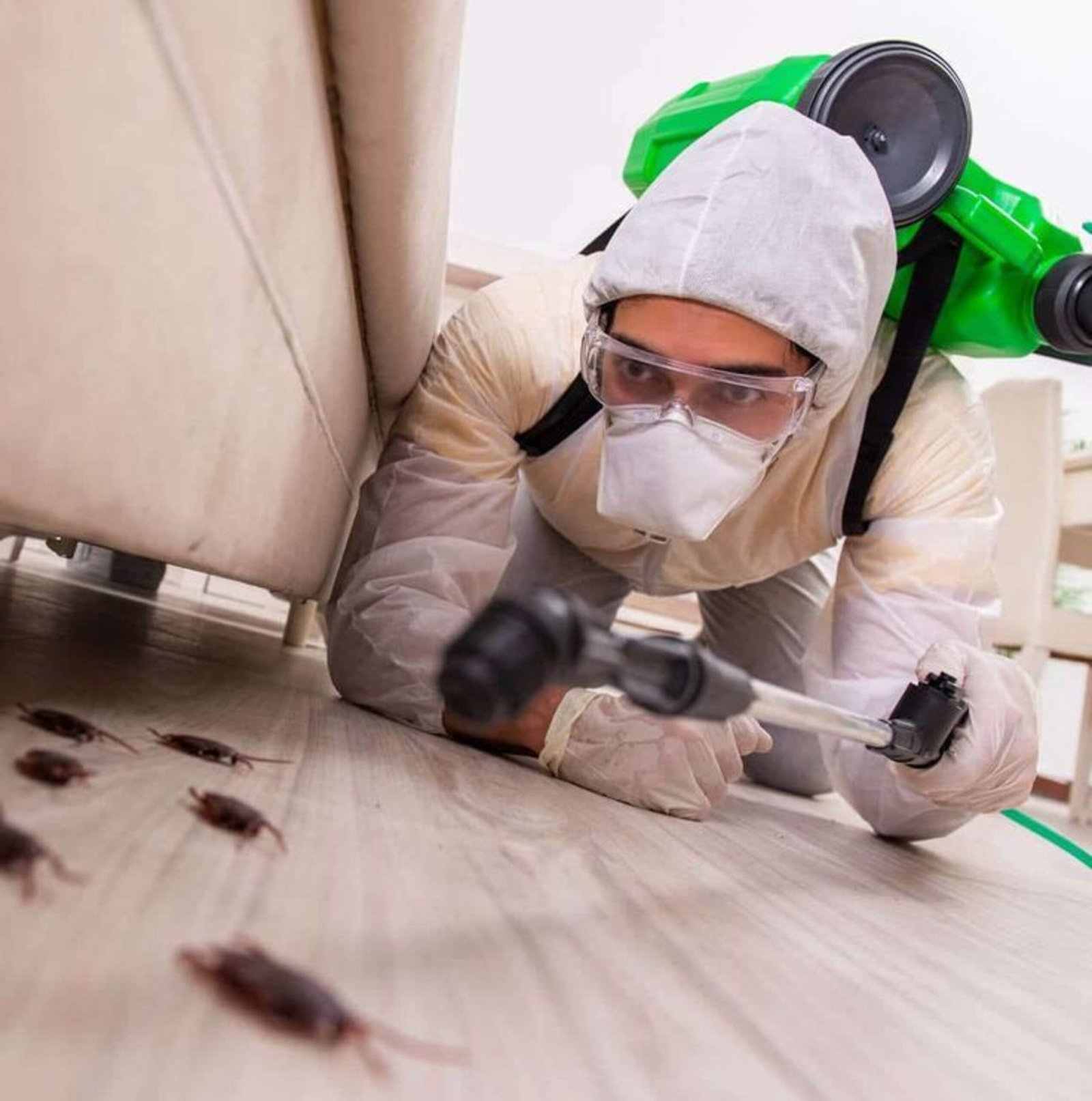
Ants are among the most common household pests found throughout Canada. While a few ants may seem harmless, their presence often indicates a larger colony nearby. These insects are highly organized and work together to locate food, water, and shelter. Once ants discover reliable resources inside a home, they leave scent trails that attract other colony members, allowing infestations to grow quickly.
Effective Ants Control is essential for maintaining a clean and comfortable home environment. Although many ant species are considered nuisance pests, some can cause property damage or contaminate food supplies. Understanding ant behavior and implementing preventive measures can significantly reduce the likelihood of infestation.
Why Ants Enter Homes
Ants enter homes primarily in search of food and water. Kitchens, pantries, dining areas, and pet feeding stations often provide ideal resources.
Even small crumbs, sugary spills, and uncovered food containers can attract ants. During dry periods, ants may also enter homes seeking moisture from sinks, pipes, bathrooms, and laundry rooms.
Weather changes often influence ant activity. Heavy rain, drought, and seasonal temperature shifts may encourage colonies to move closer to residential properties.
Understanding these factors helps homeowners reduce conditions that attract ants indoors.
Common Ant Species Found in Canada
Several ant species are commonly found throughout Canada. Each species has different nesting habits and behaviors.
Pavement ants often build colonies beneath sidewalks, driveways, and foundations. They frequently enter homes searching for food.
Odorous house ants are known for the unpleasant smell they release when crushed. These ants commonly invade kitchens and food storage areas.
Carpenter ants are among the most concerning species because they tunnel through wood while creating nesting galleries. Although they do not consume wood like termites, they can contribute to structural damage over time.
Pharaoh ants are small but persistent pests that often establish colonies in warm indoor environments.
Identifying the species involved helps determine the most effective treatment strategy.
Understanding Ant Colony Behavior
Ant colonies operate through highly organized social systems. Most colonies contain workers, reproductive ants, and a queen responsible for producing offspring.
Worker ants search for food and leave pheromone trails that guide other colony members to valuable resources. Once a food source is discovered, large numbers of ants may appear within a short period.
Because colonies often remain hidden underground, inside walls, or beneath structures, eliminating visible ants alone rarely solves the problem.
Successful management requires addressing both the workers and the colony itself.
Signs of an Ant Infestation
The most obvious sign of infestation is seeing ants traveling along floors, walls, countertops, or entry points.
Ant trails often lead directly to food or water sources. Following these trails can help identify where ants are entering the home.
Small piles of soil or debris near cracks may indicate outdoor nesting activity. In the case of carpenter ants, homeowners may notice wood shavings near nesting areas.
Winged ants appearing indoors can also signal a mature colony nearby.
Recognizing these warning signs early supports more successful Ants Control efforts.
Health and Household Concerns
Although most household ants are not dangerous, they can still create sanitation concerns.
As ants travel through garbage areas, outdoor environments, and food preparation surfaces, they may spread bacteria and contaminants.
Food contamination is one of the most common concerns associated with indoor ant activity. Open food packages and kitchen surfaces may become affected when large numbers of ants are present.
Maintaining proper pest management helps support a cleaner and healthier household environment.
Why Ant Infestations Can Grow Quickly
Ant colonies are capable of expanding rapidly under favorable conditions. A single colony may contain thousands of workers continuously searching for resources.
Many species establish multiple nesting locations, making infestations more difficult to eliminate. Some colonies even split into smaller satellite colonies when disturbed.
Without intervention, populations may continue growing and spread throughout multiple areas of the property.
Early detection and prevention are important for limiting infestation growth.
Food Storage and Kitchen Hygiene
Proper sanitation is one of the most effective ant prevention strategies.
Food should be stored in sealed containers whenever possible. Dry goods, cereals, sugar, and pet food are particularly attractive to ants.
Countertops, tables, and floors should be cleaned regularly to remove crumbs and spills. Garbage should be stored in tightly sealed containers and removed frequently.
These simple practices reduce available food sources and make homes less attractive to ants.
Eliminating Moisture Sources
Many ant species require access to water. Leaking pipes, standing water, and excessive moisture often attract colonies.
Bathrooms, kitchens, basements, and laundry rooms should be inspected regularly for leaks and condensation problems.
Prompt repairs help reduce favorable conditions while also improving overall home maintenance.
Reducing moisture can significantly decrease pest activity.
Sealing Entry Points Around the Home
Ants can enter through surprisingly small openings around foundations, doors, windows, and utility penetrations.
Inspecting the exterior of the home helps identify cracks and gaps that provide access. Caulking, weather stripping, and repairing damaged screens help reduce entry opportunities.
Exclusion techniques form an important part of long-term pest prevention strategies.
Preventing access often reduces the need for more extensive treatments.
Outdoor Conditions That Attract Ants
The area surrounding a home greatly influences ant activity.
Overgrown vegetation, mulch beds, wood piles, and debris provide ideal nesting locations. Tree branches touching structures may also create pathways for ants to enter.
Maintaining a clean and organized yard helps reduce pest pressure around the property.
Proper landscaping supports both pest prevention and overall property appearance.
The Importance of Identifying Nesting Sites
Finding the nest is one of the most important aspects of ant management.
Many homeowners focus only on visible ants without addressing the colony itself. Because workers continuously emerge from the nest, infestations often return unless the source is eliminated.
Careful observation of ant trails can help identify nesting areas. Professional inspections may also reveal hidden colonies located inside walls, foundations, or outdoor structures.
Targeting the nest improves long-term treatment success.
Professional Ant Management Solutions
Professional pest management specialists offer expertise that improves treatment effectiveness.
Comprehensive inspections help identify species, locate nesting sites, and evaluate environmental conditions contributing to infestation.
Customized treatment plans address both immediate activity and long-term prevention needs.
For persistent infestations or carpenter ant concerns, professional assistance often provides the most reliable results.
Long-Term Prevention Strategies
Successful pest management requires ongoing effort rather than a single treatment.
Regular cleaning, moisture control, structural maintenance, and routine inspections help reduce future infestation risks.
Homeowners should monitor for signs of activity and address small problems before they develop into larger concerns.
A proactive approach provides the best long-term protection.
Integrated Pest Management for Ant Control
Integrated pest management combines sanitation, exclusion, monitoring, habitat modification, and targeted treatments into a comprehensive strategy.
Rather than focusing solely on eliminating visible ants, this approach addresses the underlying factors supporting infestation.
Integrated methods promote sustainable results while reducing recurring pest problems.
This balanced strategy is widely recognized as one of the most effective approaches to pest management.
Frequently Asked Questions
1. What attracts ants into homes?
Food, water, shelter, crumbs, sugary substances, and moisture are the primary attractants for ants.
2. Are ants harmful?
Most household ants are nuisance pests, but they can contaminate food and create sanitation concerns. Carpenter ants may also damage wood structures.
3. How do ants find food so quickly?
Worker ants leave chemical trails that guide other ants directly to food sources.
4. Can I eliminate ants without professional help?
Small infestations may be managed through sanitation and prevention, but larger or recurring infestations often require professional assistance.
5. How can I prevent ants from returning?
Maintain cleanliness, store food properly, eliminate moisture sources, seal entry points, and inspect the property regularly.
Conclusion
Ant infestations can quickly become frustrating when colonies gain access to food, water, and shelter inside the home. Understanding ant behavior, identifying warning signs, and implementing preventive measures are essential steps toward maintaining a pest-free environment. Through proper sanitation, moisture management, structural maintenance, and ongoing monitoring, homeowners can significantly reduce ant activity and protect their property. For dependable pest management solutions and long-term protection throughout Canada, homeowners can trust My Pest Exterminator for professional support and effective service.









Post Comment