AI in Healthcare Labs: How Automation Is Transforming Daily Operations and Medical Testing
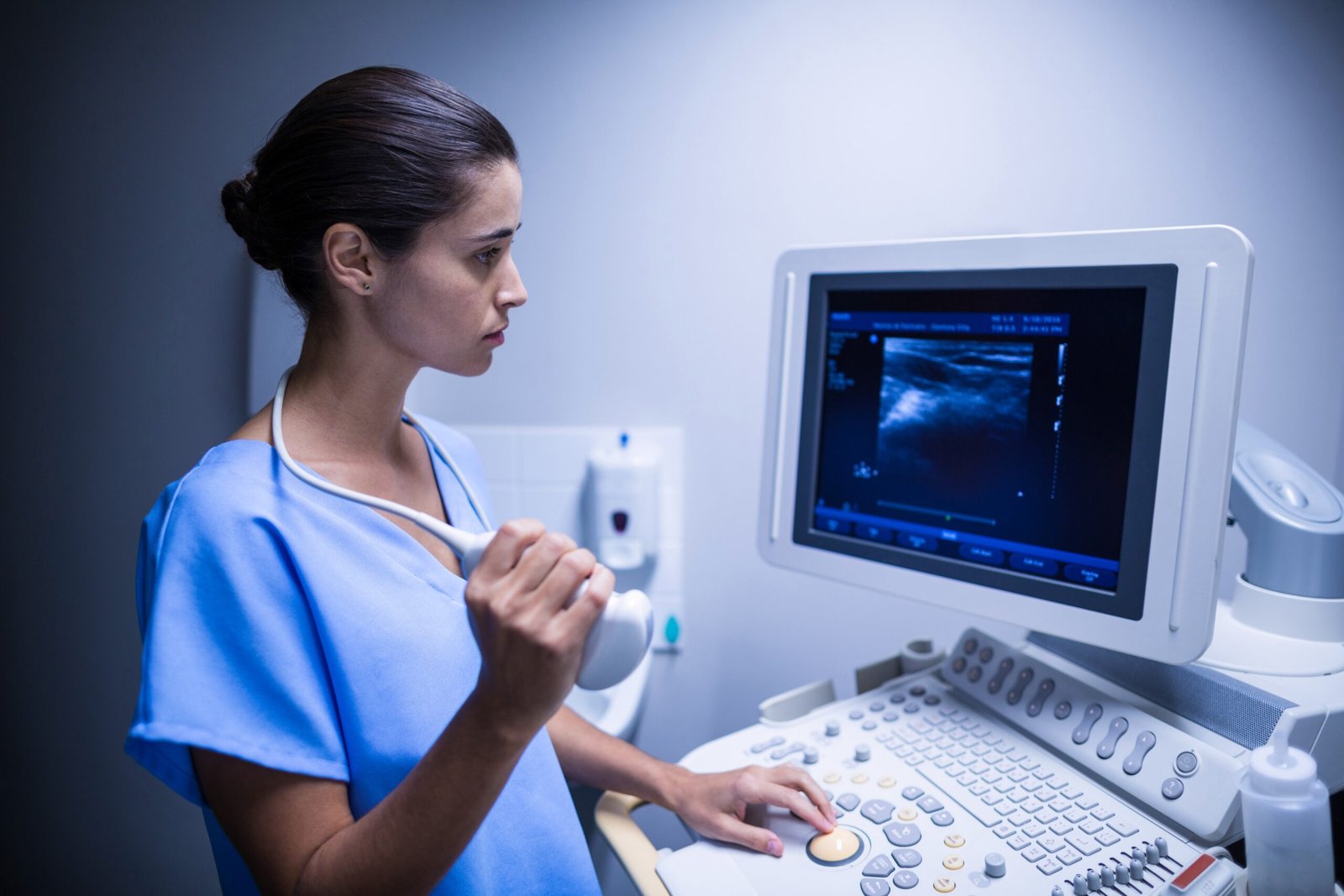
AI in healthcare labs is transforming how diagnostic centers, pathology labs, and medical testing facilities manage daily operations in 2026. From automating routine administrative tasks to improving test accuracy, sample tracking, and reporting systems, artificial intelligence is becoming a critical part of modern healthcare infrastructure.
Laboratories handle large volumes of data, samples, and patient communication every day. Because of this complexity, many labs are now using AI automation to reduce manual workload, improve accuracy, and speed up turnaround times.
Moreover, healthcare organizations that adopt AI-driven lab automation are improving efficiency while maintaining higher standards of reliability and patient care.
What Is AI Automation in Healthcare Labs?
AI automation in healthcare labs refers to the use of intelligent systems to streamline laboratory workflows, manage data, and support diagnostic processes.
Instead of relying only on manual entry and traditional systems, labs are now integrating AI to automate:
- Sample tracking
- Test scheduling
- Report generation
- Data entry and validation
- Patient communication
- Inventory management
- Workflow coordination
As a result, labs operate with greater speed, accuracy, and efficiency.
Why AI Is Becoming Essential in Modern Labs
Healthcare labs face increasing pressure to deliver faster and more accurate results while managing growing patient volumes.
Because of this, AI automation is becoming essential for:
- Reducing human error in data handling
- Improving turnaround time for reports
- Managing high sample volumes efficiently
- Enhancing workflow coordination
- Supporting accurate diagnostics
- Reducing administrative workload
Furthermore, traditional lab systems often struggle to scale with increasing demand, making automation a necessary upgrade.
How AI Is Improving Daily Lab Operations
Automated Sample Tracking
AI systems help labs track samples from collection to reporting in real time.
This reduces errors and improves transparency in the diagnostic process.
Consequently, labs maintain better control over sample movement and processing stages.
AI-Powered Report Generation
Report creation is one of the most time-consuming tasks in healthcare labs.
AI helps automate:
- Report formatting
- Data compilation
- Result interpretation support
- Final document generation
As a result, labs deliver reports faster and with greater consistency.
Workflow Automation in Laboratories
AI organizes and streamlines lab workflows by managing:
- Test assignments
- Technician scheduling
- Equipment usage
- Processing queues
- Priority cases
Therefore, laboratories improve efficiency and reduce operational delays.
ChatGPT and AI Tools in Lab Operations
AI tools like ChatGPT are now being used in healthcare environments to support administrative and communication tasks.
Labs use AI for:
- Patient communication responses
- Explaining test instructions
- Generating internal documentation
- Summarizing reports
- Supporting staff coordination
- Automating email communication
Additionally, custom AI systems are being developed to align with lab-specific workflows and compliance requirements.
Benefits of AI Automation in Healthcare Labs
Faster Turnaround Time
Automation significantly reduces the time required to process tests and generate reports.
Improved Accuracy
AI reduces manual data entry errors and improves consistency in reporting.
Better Resource Management
Labs can optimize technician workloads, equipment usage, and testing schedules.
Enhanced Patient Experience
Faster communication and quicker results improve overall patient satisfaction.
Scalable Lab Operations
AI systems allow labs to handle increasing workloads without compromising efficiency.
Applications of AI in Different Lab Types
Pathology Labs
AI supports sample analysis, report generation, and workflow optimization.
Diagnostic Centers
Automation improves scheduling, patient communication, and reporting systems.
Research Laboratories
AI helps process large datasets and supports scientific analysis.
Hospital Labs
Hospitals use AI to manage emergency testing, patient data, and real-time reporting systems.
Why AI Training Matters in Healthcare Labs
Even advanced lab systems require proper training for effective use.
Without training, labs may face:
- Workflow mismanagement
- Poor system adoption
- Inefficient automation usage
- Communication gaps
Because of this, AI training helps lab staff understand:
- How to use automation tools correctly
- How to manage digital workflows
- How to improve operational efficiency
- How to integrate AI into lab processes
As a result, healthcare teams achieve better accuracy and smoother operations.
Common Mistakes in Lab Automation
Over-Automation Without Workflow Planning
Labs must first understand processes before applying automation.
Ignoring Compliance Requirements
Healthcare systems must always follow data privacy and medical compliance standards.
Lack of Staff Training
Without proper training, even advanced systems fail to deliver results.
Poor Integration of Tools
Disconnected systems reduce efficiency instead of improving it.
Future of AI in Healthcare Labs
AI is moving healthcare labs toward fully intelligent diagnostic ecosystems.
Future systems will:
- Predict test outcomes
- Automate diagnostic suggestions
- Optimize lab resource usage
- Improve real-time reporting
- Enhance decision support systems
Furthermore, AI will continue to reduce manual workload while improving diagnostic accuracy and speed.
Final Thoughts
AI in healthcare labs is transforming how diagnostic and testing facilities operate in 2026.
From sample tracking and report generation to workflow management and patient communication, AI is improving speed, accuracy, and operational efficiency across the healthcare sector.
However, successful implementation requires structured workflows, proper training, and strategic integration.
Healthcare labs that adopt AI automation today are building more efficient, scalable, and reliable systems for the future of medical diagnostics.




Post Comment