After School Programs That Support Learning During Holidays
Introduction
School holidays provide children with a valuable opportunity to rest, explore new interests, and spend time with family and friends. However, extended breaks from structured learning can sometimes result in the loss of academic momentum, particularly among younger learners. This is one reason why after school programmes that continue during holiday periods have become increasingly popular.
These programmes offer a balanced approach that combines education, recreation, and personal development in a supportive environment. Rather than replicating the traditional classroom experience, they provide engaging activities that encourage children to learn through exploration, creativity, and social interaction. By maintaining educational engagement while allowing children to enjoy their holiday, after school programmes can play an important role in supporting ongoing development.
Encouraging Continuous Learning
One of the primary benefits of holiday after school programmes is their ability to keep children engaged with learning throughout school breaks. Long periods away from educational activities can sometimes make it more difficult for children to return to academic routines when term resumes.
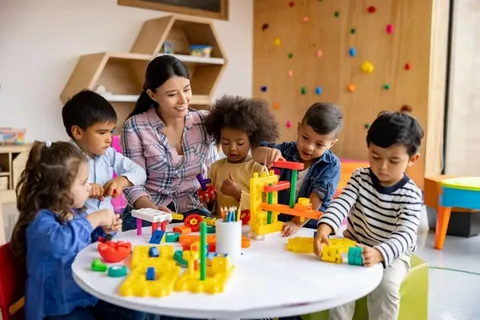
Holiday programmes often incorporate enjoyable learning opportunities through games, projects, discussions, and hands-on activities. These experiences help reinforce existing knowledge while introducing new concepts in an informal setting. By maintaining intellectual stimulation during holidays, children remain connected to learning without feeling overwhelmed by traditional academic expectations. A holiday club for kids provides fun activities, social interaction, and learning opportunities during school breaks.
Supporting Social Development
School holidays can reduce opportunities for regular interaction with peers, particularly for children whose friends may be travelling or attending different activities. Holiday after school programmes provide a valuable setting where children can continue building social skills and maintaining friendships.
Working together on group projects, participating in team activities, and engaging in shared experiences encourage communication and cooperation. Children learn how to navigate social situations, resolve disagreements, and develop empathy for others. These interpersonal skills contribute to personal growth and support healthy relationships both inside and outside educational environments.
Promoting Creativity and Imagination
Many holiday programmes place a strong emphasis on creative activities that may not always receive significant attention during the regular school term. Arts and crafts, drama, music, storytelling, and design projects allow children to explore their imagination and express themselves in new ways.
Creative experiences help children develop problem-solving abilities, confidence, and original thinking. They also provide opportunities for self-expression that can support emotional wellbeing. By encouraging creativity during holidays, after school programmes contribute to a more balanced and enriching learning experience.
Providing Structured Yet Flexible Environments
Children often benefit from having some level of routine during holiday periods. While complete freedom can be enjoyable, a lack of structure may sometimes lead to boredom or reduced engagement in productive activities.
Holiday after school programmes offer a balance between structure and flexibility. Planned schedules provide consistency while still allowing children to enjoy a relaxed atmosphere. This combination helps maintain positive habits and routines without removing the sense of freedom that makes holidays enjoyable. Children can participate in meaningful activities while still having opportunities for recreation and exploration.
Encouraging Physical Activity
Physical activity remains an essential component of healthy child development. Many holiday after school programmes include sports, outdoor games, fitness activities, and recreational play as part of their daily schedule.
Regular movement supports physical health, coordination, and overall wellbeing. It also helps children release energy, improve concentration, and develop teamwork skills. By incorporating active play into holiday programmes, organisers encourage healthy lifestyles while making physical activity enjoyable and accessible for participants.
Introducing New Skills and Interests
Holiday programmes often provide opportunities for children to explore subjects and activities that may not form part of the standard school curriculum. Workshops in science, technology, cooking, art, coding, gardening, and other specialised areas allow children to discover new interests and talents.
Exposure to different experiences can spark curiosity and inspire future hobbies or educational pursuits. Children gain confidence as they develop new abilities and learn more about their personal strengths. These opportunities broaden horizons and contribute to lifelong learning habits that extend beyond formal education.
Supporting Working Families
For many families, school holidays present practical challenges related to childcare and supervision. Parents and guardians often need reliable solutions that ensure children remain safe, engaged, and productive while they continue with work commitments.
Holiday after school programmes provide valuable support by offering structured environments where children can spend their time constructively. Parents gain peace of mind knowing that their children are participating in supervised activities that contribute positively to their development. This support benefits both children and families during extended school breaks.
Helping Build Confidence and Independence
Participation in holiday programmes often encourages children to take on new challenges, interact with unfamiliar peers, and try activities outside their comfort zones. These experiences can play a significant role in building confidence and independence.
As children complete projects, learn new skills, and navigate different situations, they develop a stronger sense of self-belief. Positive encouragement from programme leaders and peers reinforces personal growth and resilience. Over time, these experiences help children become more confident learners and more adaptable individuals.
Conclusion
After school programmes that operate during holidays offer far more than simple childcare solutions. They create valuable opportunities for continuous learning, social development, creativity, physical activity, and personal growth. By combining educational experiences with enjoyable recreational activities, these programmes help children remain engaged and motivated throughout school breaks.
They also provide important support for families while fostering confidence, independence, and curiosity among participants. As the importance of holistic child development continues to gain recognition, holiday after school programmes remain an effective way to support children’s learning and wellbeing beyond the classroom.
Visit Techntrip for more informative blogs.






Post Comment