Finding Hope and Healing Through Eating Disorder Recovery Support
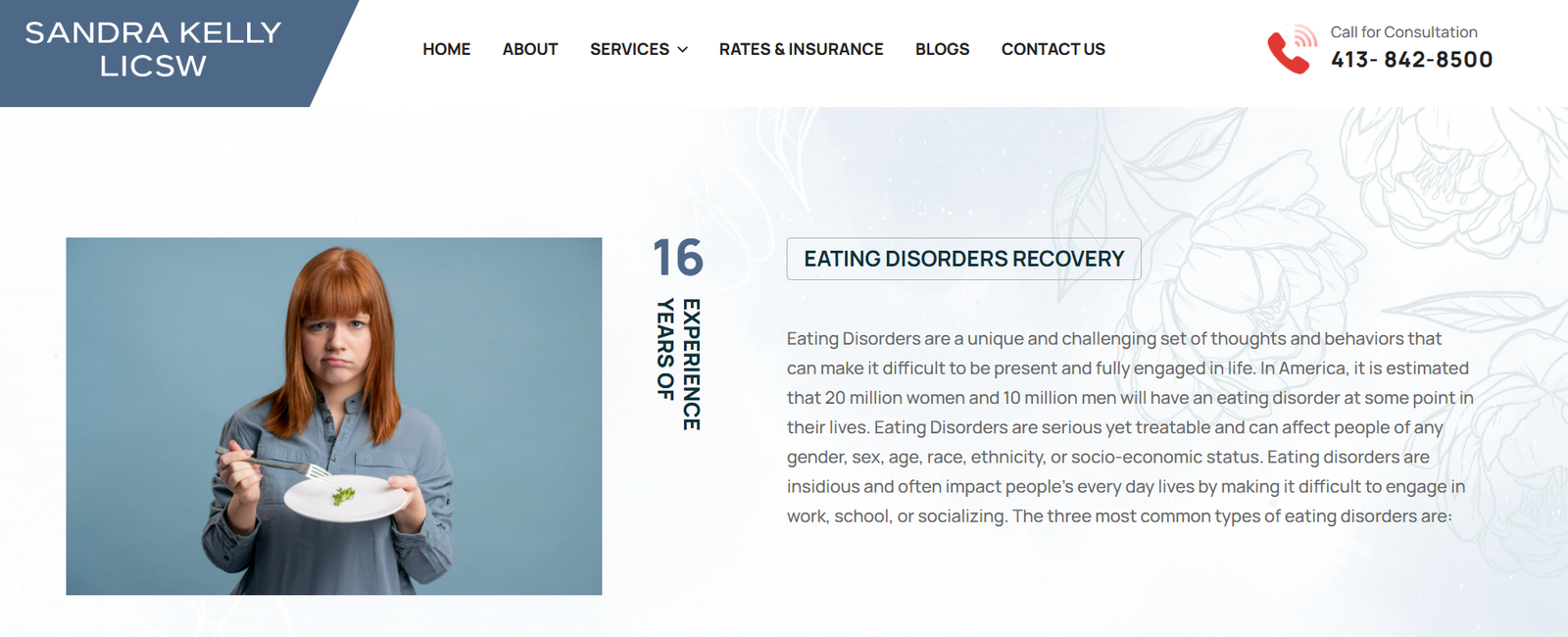
Eating disorders are complex mental health conditions that affect millions of individuals each year. While they often involve challenges related to food, eating habits, and body image, eating disorders are rarely just about food. They frequently reflect deeper emotional struggles, including anxiety, trauma, perfectionism, low self-esteem, and difficulties coping with life’s challenges.
Recovery is possible, and seeking support is one of the most important steps toward healing. Through compassionate and professional eating disorder therapy, individuals can develop a healthier relationship with food, improve body image, and address the underlying emotional factors contributing to disordered eating behaviors.
At Sandra Kelly Therapy, clients receive personalized and evidence-based care designed to support long-term recovery and emotional well-being.
Understanding Eating Disorders
Eating disorders are serious mental health conditions that can affect individuals of all ages, genders, backgrounds, and body types. Contrary to common misconceptions, they are not lifestyle choices or phases that people simply “grow out of.”
Some of the most common eating disorders include:
Anorexia Nervosa
Anorexia nervosa is characterized by intense fear of weight gain, body image distortion, and severe restriction of food intake. Individuals may engage in behaviors aimed at controlling weight despite significant physical and emotional consequences.
Bulimia Nervosa
Bulimia nervosa involves cycles of binge eating followed by compensatory behaviors such as self-induced vomiting, excessive exercise, or fasting. Many individuals experience feelings of shame, guilt, and secrecy surrounding these behaviors.
Binge Eating Disorder
Binge eating disorder involves recurrent episodes of consuming unusually large amounts of food while experiencing a sense of loss of control. Unlike bulimia, binge eating episodes are not regularly followed by purging behaviors.
Regardless of the diagnosis, eating disorders deserve compassionate and specialized support.
Eating Disorders Are About More Than Food
Food-related behaviors often serve as coping mechanisms for emotional pain or distress. Individuals struggling with eating disorders may also be navigating challenges such as:
- Anxiety disorders
- Depression
- Trauma or PTSD
- Perfectionistic tendencies
- Low self-esteem
- Body dissatisfaction
- Difficulty managing emotions
- Major life transitions
Because eating disorders are influenced by many different factors, comprehensive treatment often addresses both eating behaviors and emotional health.
Warning Signs of an Eating Disorder
Recognizing the signs of an eating disorder can lead to earlier intervention and improved outcomes.
Common warning signs include:
Emotional and Behavioral Signs
- Intense fear of gaining weight
- Obsessive thoughts about food or calories
- Frequent dieting or food restriction
- Eating in secret
- Feelings of guilt after eating
- Avoidance of social situations involving food
- Increased anxiety related to meals
Physical Signs
- Significant fluctuations in weight
- Fatigue or low energy
- Dizziness or fainting
- Gastrointestinal problems
- Sleep disturbances
- Difficulty concentrating
If these signs resonate with you or someone you care about, professional eating disorder counseling may provide valuable support.
The Importance of Early Intervention
Many individuals delay seeking help because they believe they are “not sick enough” or that they should be able to overcome these struggles independently. However, eating disorders can become more difficult to treat over time.
Early intervention can help individuals:
- Address harmful behaviors before they escalate
- Improve emotional well-being
- Reduce the risk of medical complications
- Strengthen coping skills
- Increase the likelihood of sustained recovery
There is no “right time” to seek help. Support is beneficial at every stage of the recovery journey.
How Eating Disorder Therapy Can Help
Professional eating disorder recovery counseling provides a supportive and non-judgmental space where individuals can explore the emotional experiences contributing to disordered eating.
Therapy may focus on helping clients:
Develop a Healthier Relationship with Food
Individuals learn to move away from rigid food rules and begin rebuilding trust in their body’s needs.
Address Underlying Emotional Challenges
Therapy explores emotional experiences such as anxiety, perfectionism, trauma, and self-criticism that may contribute to eating disorder behaviors.
Improve Body Image
Many individuals struggle with negative self-perceptions. Therapy supports greater self-acceptance and body appreciation.
Strengthen Coping Skills
Learning healthy coping strategies can reduce reliance on eating disorder behaviors during times of stress or emotional distress.
Build Self-Compassion
Recovery involves replacing shame and self-judgment with greater understanding and kindness toward oneself.
The Connection Between Trauma and Eating Disorders
Research continues to highlight the relationship between trauma and eating disorders. For some individuals, controlling food intake or engaging in eating disorder behaviors becomes a way to cope with overwhelming emotions or regain a sense of control.
Trauma-informed therapy acknowledges these experiences while prioritizing emotional safety throughout the healing process.
At Sandra Kelly Therapy, treatment approaches are tailored to address both eating disorder symptoms and the emotional factors that may contribute to them.
Evidence-Based Approaches Used in Eating Disorder Counseling
Several therapeutic approaches may support recovery.
Cognitive Behavioral Therapy (CBT)
CBT helps individuals identify and challenge unhelpful thoughts related to food, body image, and self-worth while developing healthier behaviors.
Dialectical Behavior Therapy (DBT)
DBT focuses on emotional regulation, distress tolerance, and mindfulness skills that support healthier coping strategies.
Trauma-Informed Therapy
Trauma-informed care recognizes the impact of past experiences and creates a safe therapeutic environment for healing.
Compassion-Focused Interventions
These approaches help individuals develop greater self-acceptance and reduce feelings of shame.
Treatment plans are individualized based on each client’s experiences, strengths, and goals.
Eating Disorder Recovery Is Not Linear
Recovery rarely follows a straight path. Individuals may experience progress, setbacks, and periods of uncertainty throughout the healing process. This does not mean that recovery is failing.
Recovery often involves:
- Learning new coping skills
- Challenging long-held beliefs
- Practicing self-compassion
- Seeking support when needed
- Celebrating small victories
Patience and persistence are important aspects of lasting healing.
Eating Disorder Therapy in Cape Cod
Access to specialized eating disorder therapy in Cape Cod allows individuals to receive support within their local community. Professional counseling services provide a safe environment where people can explore their experiences without judgment.
Sandra Kelly Therapy proudly serves individuals throughout Cape Cod and Barnstable County by offering personalized treatment focused on emotional wellness and sustainable recovery.
Online Eating Disorder Counseling Across Massachusetts
For those seeking greater flexibility, Sandra Kelly Therapy also provides secure virtual therapy sessions throughout Massachusetts.
Online therapy may be beneficial for individuals who:
- Have demanding schedules
- Prefer receiving support from home
- Live outside the Cape Cod area
- Need ongoing access to specialized counseling services
Virtual sessions allow individuals to prioritize recovery while maintaining convenience and consistency.
Why Choose Sandra Kelly Therapy
Sandra Kelly Therapy is committed to providing compassionate and individualized support for individuals navigating eating disorders and related emotional challenges.
Services include:
- Eating disorder therapy
- Eating disorder counseling
- Anxiety therapy
- Trauma-informed therapy
- Depression counseling
- Individual psychotherapy
- Online therapy across Massachusetts
Every client’s journey is unique, and treatment is designed to meet their specific needs and recovery goals.
Recovery from an eating disorder is possible, even when the path forward feels uncertain. With the right support, individuals can rebuild trust in themselves, improve their relationship with food, and develop healthier ways to navigate life’s challenges.
If you are looking for Eating Disorder Recovery Counseling, eating disorder therapy, or support from a therapist for eating disorders in Cape Cod, Sandra Kelly Therapy offers compassionate care focused on healing and long-term well-being.
You do not have to face recovery alone. Hope, support, and healing are available—and taking the first step may be the beginning of a healthier and more fulfilling future.






Post Comment