Best Wool Dryer Balls: How to Choose the Right Set for Your Laundry
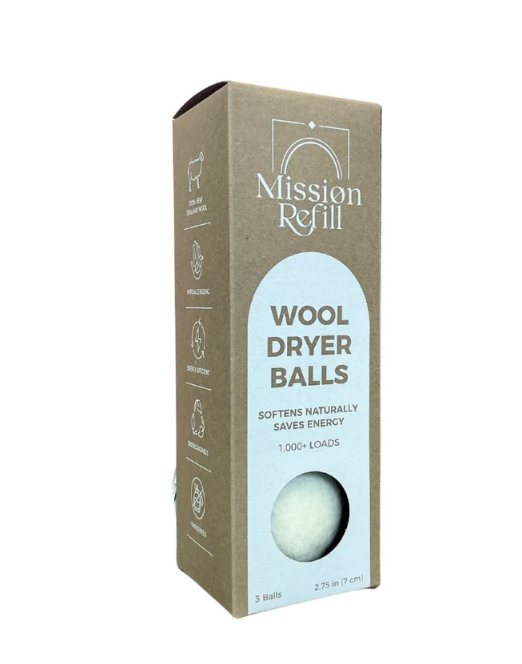
Finding the best wool dryer balls can make a noticeable difference in an everyday laundry routine. These reusable laundry accessories tumble alongside clothing and help separate garments as they move through the dryer, allowing warm air to circulate more freely. Unlike disposable dryer sheets, wool dryer balls do not need to be replaced after every load, making them an appealing option for households looking to simplify their laundry supplies. Their growing popularity comes from a combination of convenience, reusability, and the ability to support a straightforward drying process without adding another single-use product to every cycle.
The market for reusable laundry products has expanded as consumers become more interested in reducing waste and making practical household choices. Families, apartment residents, busy professionals, and people who regularly dry towels, bedding, and large clothing loads may find dryer balls particularly useful. However, not every set offers the same construction or durability, so shoppers should understand what to look for before buying. Evaluating wool quality, density, size, quantity, maintenance requirements, and overall value can help consumers select a product that suits their laundry habits rather than simply choosing the most heavily advertised option.
How Wool Dryer Balls Work
Wool dryer balls work through physical movement rather than by coating clothing with a softening formula. As the balls tumble inside the dryer, they move between garments and can help prevent clothing from becoming tightly packed together. This movement may improve airflow through the load and help fabrics separate during drying. The result can be less clumping and, depending on the load and dryer conditions, a shorter drying cycle. Wool also has a naturally soft texture, which allows the balls to interact with fabrics without the harder feel associated with some alternative dryer accessories. Their performance is influenced by load size, fabric type, dryer settings, and how well garments are distributed inside the drum, so users should view dryer balls as a laundry aid rather than a guarantee of a particular drying time.
What Makes the Best Wool Dryer Balls?
When comparing different products, construction quality is one of the most important factors. High-quality dryer balls are generally tightly felted so they retain a firm, rounded shape as they repeatedly tumble through drying cycles. A loosely constructed ball may become misshapen or begin shedding fibers sooner, reducing its usefulness. Shoppers should also examine the wool content because products marketed as wool dryer balls can vary in their construction. Size matters as well: larger balls can provide substantial separation in bigger loads, while smaller ones may be easier to store and handle. The best choice ultimately depends on the combination of density, size, material quality, durability, and intended use. A well-constructed set should feel compact and resilient rather than loose, hollow, or easily compressed.
Choosing the Right Number of Dryer Balls
The number of balls used in a load can influence how effectively they separate clothing. Smaller loads generally require fewer balls, while larger loads containing towels, sheets, sweatshirts, or other bulky items may benefit from a larger set. Overloading the dryer can reduce the ability of the balls to move freely, so adding more accessories does not necessarily solve an overcrowded drum. Instead, users should combine an appropriate number of balls with a reasonable load size. People who regularly wash large household loads may find it more convenient to purchase a set containing enough balls for those loads rather than repeatedly splitting laundry into smaller batches. Keeping the balls stored together between cycles also makes it easier to maintain a consistent routine.
Benefits Beyond Basic Drying
One reason wool dryer balls appeal to consumers is their versatility within the drying process. Their movement can help separate garments, which may reduce the tendency of clothes to become tightly tangled and can contribute to fewer wrinkles in some loads. They may also create a gentle tumbling action that helps fabrics feel softer without relying on traditional dryer sheets. However, users should maintain realistic expectations. Dryer balls do not completely eliminate wrinkles or guarantee that static will disappear from every load. Static can be affected by fabric type, humidity, drying temperature, and whether clothing has been dried excessively. Understanding these limitations makes it easier to use dryer balls effectively while avoiding exaggerated expectations about what they can accomplish.
Why Reusability Matters
Reusable laundry products can be attractive to households that want to reduce their reliance on disposable accessories. A dryer sheet is designed for short-term use, whereas a properly maintained wool dryer ball can accompany many drying cycles. This difference means that consumers can potentially reduce the number of single-use laundry products they purchase and store. Reusability also simplifies the laundry routine because there is no need to add a new sheet to each load. From a practical perspective, the value of a reusable product depends on how frequently it is used and how well it holds up over time. Consumers should therefore consider durability alongside the initial purchase price instead of judging value solely by the cheapest available option.
How to Use Wool Dryer Balls Correctly
Using dryer balls is straightforward, but a few habits can improve their performance. Place the appropriate number of balls into the dryer with the clothing before starting the cycle, and avoid packing the drum so tightly that the balls cannot move freely. For bulky loads such as bedding and towels, separating heavily tangled items before drying can improve airflow further. Choosing a suitable heat setting for the fabrics being dried remains important because dryer balls do not replace proper garment-care practices. If static becomes a problem, adjusting the drying temperature or avoiding excessive drying may help. Users who prefer scented laundry should also be cautious about adding fragrances directly to wool products and should follow the manufacturer’s instructions for any scenting method. The simplest approach is often the most reliable: use the balls as intended and let the dryer settings do the rest.
Maintaining Your Dryer Balls
Regular maintenance can help preserve the condition of wool dryer balls. After repeated use, small fibers or lint may collect on the surface, particularly when drying towels, fleece, or heavily shedding fabrics. Loose material can usually be removed gently rather than pulling aggressively at the wool. If the balls become visibly worn, misshapen, or begin coming apart, they may need to be replaced. Cleaning methods can vary between products, so following the care instructions supplied with the particular set is preferable to assuming that every wool ball should be washed in the same way. Proper storage is also useful; keeping the balls in a dry, ventilated location between loads can help prevent unwanted moisture accumulation and keep them ready for the next cycle.
Wool Dryer Balls vs. Traditional Dryer Sheets
Dryer balls and dryer sheets serve similar laundry-related goals but operate differently. Dryer sheets are designed to release ingredients onto fabrics during the drying process, while wool balls rely primarily on their physical movement inside the drum. Consumers who prefer reusable products may appreciate the simplicity of dryer balls, particularly if they want to reduce the number of disposable laundry accessories they use. On the other hand, people who specifically want a strong fragrance or the particular finishing effect of a dryer sheet may find that wool balls provide a different experience. Neither option is universally ideal for every household. The right choice depends on personal preferences, fabric requirements, laundry volume, and whether reusability is an important purchasing consideration.
Making a Smart Buying Decision
Before purchasing dryer balls, consider the types of laundry you dry most often and the size of your typical loads. Someone who mainly dries small clothing loads may not need a large set, while a household regularly handling bedding and towels may benefit from additional balls. Product construction should receive more attention than decorative packaging because durability directly affects long-term usefulness. It is also worth checking whether the manufacturer provides clear care instructions and realistic guidance regarding expected use. A reasonable price combined with solid construction can provide better value than purchasing the cheapest set available. Ultimately, a good dryer ball set should fit naturally into your laundry routine, require minimal maintenance, and remain useful through repeated drying cycles.
Conclusion
Choosing the best wool dryer balls involves looking beyond simple claims about faster drying or softer clothes. Buyers should consider tightly felted construction, appropriate sizing, wool quality, the number of balls needed for typical loads, care requirements, and long-term durability. When used correctly, wool dryer balls can help separate clothing, improve movement inside the dryer, reduce tangling, and provide a reusable alternative to disposable dryer accessories. They work best when combined with sensible load sizes, appropriate heat settings, and proper garment-care practices. For households seeking a simpler and more reusable laundry routine, investing in a well-made set can be a practical improvement. The key is to choose quality based on actual laundry needs and use the balls consistently so their benefits become part of an efficient everyday drying routine.




Post Comment