Dallas Stem Cell Center: Exploring Modern Orthopedic Regenerative Medicine
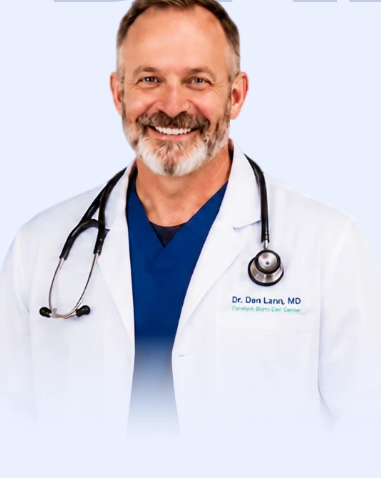
Medical science continues to explore new ways of understanding how the body responds to injury, degeneration, and inflammation. Orthopedic care has also evolved, with researchers investigating biological materials and regenerative approaches alongside more established treatment methods. Dallas Stem Cell Center is part of this broader field, offering patients an opportunity to learn about regenerative medicine options for selected orthopedic concerns and understand how these approaches may fit into a wider care plan.
The field of orthopedic regenerative medicine focuses on therapies designed to work with biological processes involved in tissue health and recovery. It can include cell-based approaches, platelet-based products, bone marrow-derived materials, and other orthobiologics. While these therapies have attracted significant interest, they are not interchangeable, and the scientific evidence can differ considerably from one treatment to another.
How Orthopedic Regenerative Medicine Has Developed
Historically, orthopedic treatment has relied on approaches such as physical rehabilitation, medication, injections, and surgery. These remain important parts of modern patient care. Regenerative medicine has introduced another area of investigation by examining whether biological materials can influence the environment around injured or degenerative tissues.
The goal of this research is not simply to mask discomfort. Scientists are studying cellular behavior, signaling molecules, inflammation, tissue repair, and other biological processes to better understand how different therapies may interact with the body.
This ongoing research is one reason patients should look at regenerative medicine as a developing field rather than a finished technology.
Understanding Orthobiologics
Orthobiologics are biological substances used or investigated in orthopedic medicine. Depending on the therapy, they may be obtained from a patient’s own body or involve other biological materials.
Examples discussed in regenerative orthopedic care can include platelet-rich plasma and bone marrow aspirate concentrate. Different preparations contain different components, and their potential applications are not identical.
Patients considering these treatments should ask what specific product or material is being proposed and why it is being considered for their particular condition. Understanding the actual treatment is more useful than relying solely on the broad term “regenerative medicine.”
The Importance of Clinical Assessment
Modern regenerative care still begins with a medical assessment. A biological therapy cannot be appropriately selected without first understanding the orthopedic problem being addressed.
A provider may consider symptoms, physical findings, medical history, previous injuries, activity demands, and diagnostic information. Imaging may also help identify structural changes when appropriate.
This information can help determine whether regenerative medicine is relevant or whether another form of orthopedic management would make more sense.
Different Problems Require Different Strategies
Orthopedic conditions can involve joints, muscles, tendons, ligaments, cartilage, or the spine. Even within one category, the severity and cause of the problem can vary significantly.
For example, an individual with degenerative joint changes may have different treatment considerations from someone recovering from an acute sports injury. A chronic tendon condition may also require a different management strategy than a ligament injury.
Because of these differences, modern regenerative medicine should not be viewed as one universal procedure.
Technology and Supporting Therapies
Contemporary regenerative care may also involve technologies and complementary approaches designed to support an overall treatment strategy. Dallas Stem Cell Center describes services that include orthobiologic treatments, K-Laser therapy, and other regenerative or restorative approaches.
The presence of multiple technologies does not mean that every patient needs every available therapy. Treatment selection should be based on the individual’s medical circumstances and the provider’s clinical assessment.
Research Still Matters
One of the most important aspects of regenerative medicine is continuing research. Patients may encounter strong claims about stem cells and other biological therapies online, but marketing language does not always reflect the strength of scientific evidence.
Research findings can vary according to the type of cells or biologic material used, how the treatment is prepared and delivered, the condition being treated, and the outcomes being measured.
For that reason, patients should ask about evidence related specifically to their condition rather than assuming that research involving one regenerative therapy applies equally to another.
Understanding Regulatory Considerations
Patients should also recognize that regenerative medicine includes treatments with different regulatory statuses. Some therapies may be used in established medical settings, while others may still be under investigation for particular applications.
Stem cell terminology can sometimes create confusion because the word “stem cell” is used broadly in advertising and public discussions. Patients should receive clear information about exactly what is being offered and its regulatory and evidence-based context.
A More Informed Way to Explore Regenerative Care
Learning about regenerative medicine does not mean deciding on treatment immediately. A better approach is to understand the diagnosis, review available options, consider potential benefits and risks, and discuss realistic expectations with a qualified medical professional.
Dallas Stem Cell Center provides regenerative and orthopedic services for patients interested in exploring these approaches. Its treatment philosophy involves evaluating individual circumstances rather than assuming that the same therapy is appropriate for everyone.
Looking Ahead
The future of orthopedic regenerative medicine will depend heavily on continued research, better understanding of biological mechanisms, improved treatment protocols, and careful evaluation of clinical outcomes.
For patients, the most valuable development is not simply the arrival of another treatment. It is having access to clearer information about what a therapy can realistically offer.
Anyone considering regenerative orthopedic care should begin with education and professional evaluation. Understanding the science, limitations, alternatives, and individual suitability can help patients approach modern regenerative medicine with realistic expectations and make more informed healthcare decisions.










Post Comment