How Hormones Affect Skin Ageing and What Treatments Really Help: Hormonal Skin Ageing Treatment
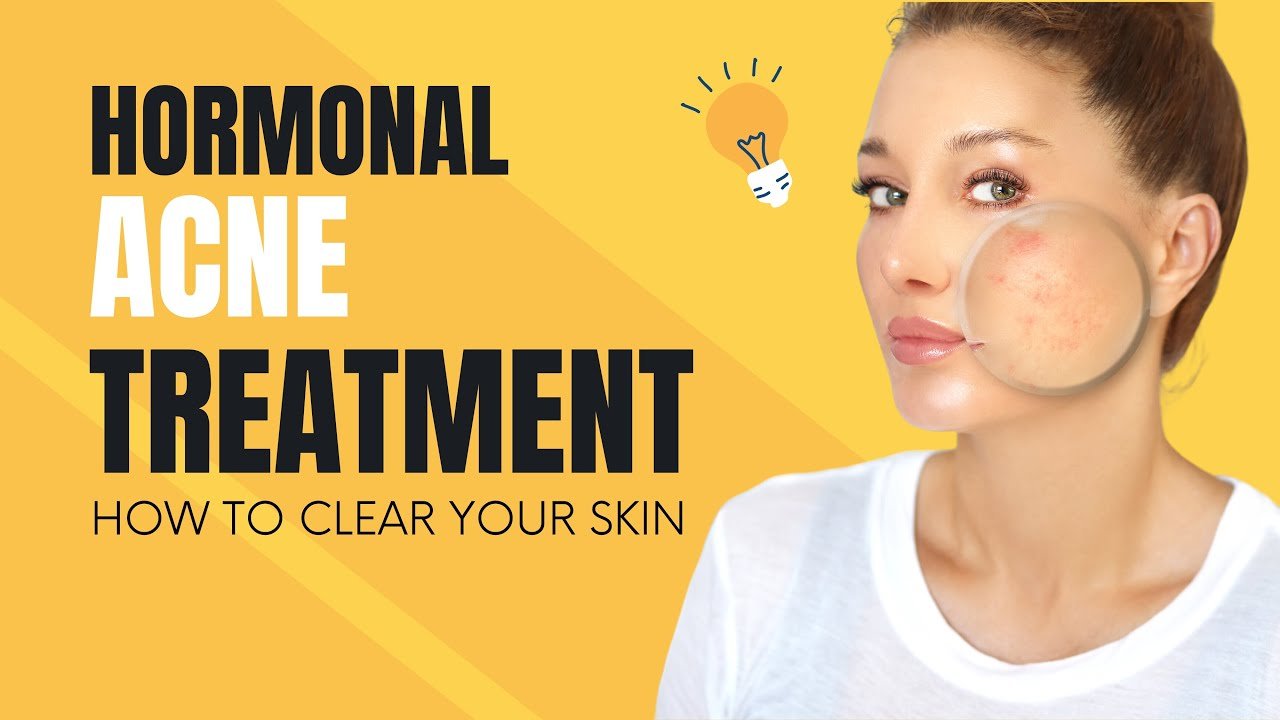
Skin can change surprisingly quickly during perimenopause. One year your usual moisturiser works; the next, your face feels dry by lunchtime, and makeup settles into lines that weren’t obvious before. Falling oestrogen is part of it, though sun exposure, genetics, stress and smoking still matter.
A sensible hormonal skin ageing treatment should look at the whole picture, not blame every wrinkle on menopause. Some treatments genuinely improve texture or pigmentation. Others mainly improve marketing departments. Here’s what’s worth considering, what may help a little, and where you should be cautious.
How do hormones make your skin age faster?
Oestrogen supports collagen, skin thickness, natural oils and water retention. As levels fluctuate in perimenopause and fall after menopause, skin may become drier, thinner or more easily irritated. The NHS also lists dry, itchy skin among recognised menopause symptoms.
Lower oestrogen isn’t acting alone. Progesterone changes too, while the relative effect of androgens can become more noticeable. That may mean chin spots, coarser facial hair or scalp hair thinning at the same time as your cheeks feel dry. Annoying combination.
Cortisol deserves a mention. Persistent stress and poor sleep can disturb the skin barrier and make inflammatory problems feel worse. Thyroid disorders can cause dryness and hair changes as well, so it’s risky to assume hormones of the menopause are always responsible.
What does hormonal skin ageing treatment actually involve?
A proper hormonal skin ageing treatment starts with the concern you can see and feel. Is it dryness, sudden acne, pigmentation, sagging, flushing or hair loss? These aren’t interchangeable problems, and one expensive serum won’t neatly cover them all.
For dryness, use a gentle non-foaming cleanser and a fragrance-free moisturiser containing ingredients such as ceramides, glycerin or hyaluronic acid. Apply it while the skin is slightly damp. If acids and scrubs suddenly sting, stop using them for a week or two. The barrier may simply need less interference.
I’d put a dependable £15 moisturiser ahead of a £95 “menopause renewal cream” if the first product has a sensible formula and the second relies on vague hormone-balancing language. Price tells you very little here.
Which skincare ingredients really help ageing skin?
Daily sun protection remains the unglamorous answer. For lighter skin tones or anyone prone to pigmentation, photosensitivity or skin cancer, choose broad-spectrum SPF 30 or higher and reapply when spending time outdoors. British weather doesn’t block UVA just because it looks grey.
Retinoids have some of the strongest evidence for improving fine lines, uneven pigment and texture. Over-the-counter retinol is usually gentler; prescription tretinoin is stronger and more irritating. Start slowly, perhaps twice a week, then build up. Retinoids aren’t suitable during pregnancy, and irritated skin won’t look younger just because the active ingredient is fashionable.
Vitamin C may help with antioxidant protection and uneven tone. Niacinamide can support the barrier and reduce blotchiness. Neither produces a facelift in a bottle. In my view, three consistent products—cleanser, moisturiser and sunscreen—usually beat an 11-step routine that changes every fortnight.
That basic routine can sit alongside hormonal skin ageing treatment, but give it at least eight to twelve weeks before judging texture or pigmentation. Skin works slowly, which is inconvenient but true.
Can HRT make skin look younger?
Hormone replacement therapy may improve dryness or skin quality for some people because it replaces declining oestrogen. It’s prescribed mainly for troublesome menopause symptoms and bone protection, though, not as a cosmetic anti-ageing drug.
The decision needs to consider symptoms, age, medical history and personal risks. NHS guidance notes that HRT tablets can slightly raise blood-clot risk, while patches, gels and sprays don’t carry that same increased clot risk. Breast-cancer considerations vary by the type and duration of HRT.
So yes, HRT might form part of hormonal skin ageing treatment when someone also has hot flushes, night sweats or other significant symptoms. Starting it only to soften a few lines is a different calculation. Speak to a GP or menopause specialist rather than buying unregulated compounded hormones online.
When should you choose a Longevity clinic UK service?
A reputable Longevity clinic UK service can be useful when skin changes sit beside sleep problems, cycle changes, weight shifts or persistent fatigue. The useful bit is joined-up medical assessment. It isn’t a giant blood-test package followed by twenty supplements.
Check who will assess you. Look for GMC-registered doctors, appropriate menopause or dermatology experience, transparent prices and a clear route for follow-up. Be wary of guaranteed “biological age reversal”, secret hormone blends or pressure to pay for a year upfront.
If it were my £300 consultation, I’d want more than a glossy scan and a supplement list. I’d expect someone to ask when the changes began, which medicines I take, whether my periods have altered and what I’ve already tried.
What should a Longevity clinic UK test before treatment?
A Longevity clinic UK shouldn’t automatically order every hormone marker available. During perimenopause, hormone levels can swing from day to day, so one result may not explain your skin or symptoms. In many people over 45, menopause is diagnosed from symptoms and menstrual history rather than routine hormone testing.
Targeted tests may still make sense. A clinician could consider thyroid function, full blood count, ferritin, vitamin B12, vitamin D or glucose testing when the history points that way. Sudden facial hair, severe acne or rapid scalp hair loss may justify a closer endocrine assessment.
That’s the difference between testing with a question and testing because a premium package needs filling.
Do lasers, peels and injectables work after menopause?
They can. Botulinum toxin softens movement-related lines, while fillers restore selected areas of lost volume. Chemical peels, microneedling and certain lasers may improve pigment, fine lines or texture. Results depend heavily on the practitioner and the device.
These procedures don’t correct an underlying hormone problem. They treat its visible effects, or ordinary sun ageing, which may be exactly what you want. Ask who performs the treatment, what complications they manage and whether the method suits your skin tone. Pigment changes and scarring are real risks.
Build stable skincare first. Then consider procedures as one part of hormonal skin ageing treatment, not an emergency rescue every six weeks.
FAQs
At what age does hormonal skin ageing begin?
There’s no fixed age. Changes commonly become noticeable during perimenopause, which often starts in the 40s, but genetics, sun exposure and health affect the timing.
How long does treatment take to show results?
Moisturising can improve comfort within days. Retinoids and pigmentation treatments often need eight to twelve weeks, sometimes longer. Procedures have their own timelines.
Should I see a GP or dermatologist?
See your GP if skin changes arrive with menopause symptoms, unusual hair growth, marked hair loss or possible thyroid symptoms. A dermatologist is useful for persistent acne, pigmentation, rashes or changing skin lesions.
Ready to make sense of the changes? Book a consultation with a qualified UK clinician and take your current products, symptom timeline and medication list. A focused conversation can save months of expensive guessing.





Post Comment