What Happens to Unwanted Cars After They Leave Brisbane Roads?
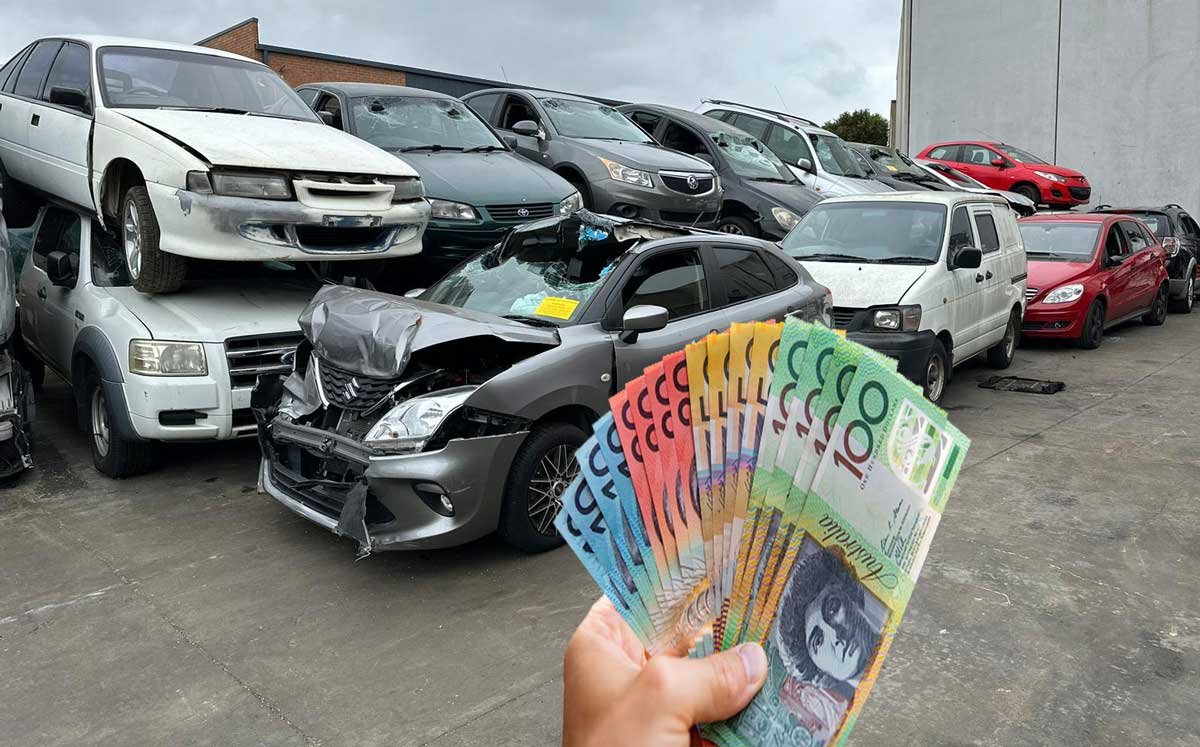
When an old or unwanted car leaves Brisbane roads, its journey does not always end at a wrecking yard. The vehicle may pass through several stages before its useful parts and materials reach their next use. Some cars are repaired and sold again. Others are dismantled for parts. Vehicles that have reached the end of their usable life can be processed for metal recycling.
This process helps keep usable materials in circulation and reduces the amount of vehicle waste sent to landfill. It also gives old vehicles a second purpose through parts recovery and material recycling.
The Car Is Collected From Its Owner
The process often starts when a vehicle owner decides that the car is no longer worth keeping. The reasons can vary. The car may have been damaged in an accident, failed a major mechanical inspection, become too old to repair, or simply remained unused for a long period.
Once the owner arranges removal, the vehicle is collected and taken to a vehicle dismantling or recycling facility. Before the car is processed, its details may be checked against the ownership and registration information supplied by the owner.
For vehicles that are no longer suitable for road use, removal also keeps them from sitting on private land or public roads for long periods.
The Vehicle Is Inspected
After reaching the facility, the vehicle is inspected to determine what can still be used.
Workers may check the engine, transmission, electrical parts, body panels, wheels, suspension parts, interior components and other vehicle systems. The condition of each part helps decide whether it should be removed for reuse or sent for material recovery.
A car that looks old from the outside may still contain many parts that work properly. For this reason, dismantling is not simply a matter of crushing the whole vehicle.
Fluids Are Removed Before Recycling
Old vehicles contain several fluids that need proper handling before the body can be processed.
These can include engine oil, coolant, brake fluid, transmission fluid and other automotive fluids. Fuel can also remain in the tank.
These substances should not be released onto the ground or into drains. Vehicle recycling facilities remove and handle them as part of the dismantling process.
Removing fluids also prepares the vehicle for the next stage of processing.
Batteries and Other Components Are Separated
Car batteries contain materials that need separate handling. A vehicle may also contain tyres, glass, plastics, wiring and electronic equipment.
During dismantling, these items can be separated from the main vehicle body. Some can enter their own recycling streams, while others may require specific disposal methods.
Separating different materials makes it possible to recover more of the vehicle instead of treating the entire car as one waste item.
Some Cars Can Return to the Road
Not every unwanted car is at the end of its usable life.
A vehicle may be unwanted by one owner but still have a useful service life. For example, a car may need repairs that its current owner does not want to pay for. Another owner may be willing to repair and continue using it.
Where the vehicle is legally suitable for repair and reuse, its journey can be very different from that of a vehicle sent for dismantling.
This is why the condition of the car matters when deciding what happens after removal.
For more information about responsible vehicle removal and recycling in Brisbane, visit https://nationalcarremoval.com.au/
Why Vehicle Recycling Matters in Brisbane
Brisbane has a large number of vehicles moving through its roads every day. As vehicles age, some naturally reach the point where continued use is no longer practical.
Processing these vehicles can recover materials that would otherwise become waste. Steel, aluminium and other metals can return to industrial use. Reusable vehicle parts can also remain in circulation.
Vehicle recycling therefore connects the end of one car with the production or repair needs of another.
How Owners Can Prepare an Unwanted Car
Before handing over an unwanted vehicle, owners should remove personal belongings from the cabin, boot and storage areas.
They should also collect important documents and check what is required for registration cancellation or transfer of ownership. Personal items such as garage remotes, paperwork, toll tags and other belongings are often overlooked when a vehicle is removed.
The owner should also provide accurate information about the vehicle condition. This helps the removal service understand what type of vehicle it is collecting.
Cash for Unwanted Cars and Vehicle Recycling
For owners looking to remove an old, damaged or unused vehicle, cash for unwanted cars Brisbane services provided by National Car Removal Brisbane can connect the removal process with the next stage of vehicle recycling. Instead of leaving an unwanted car sitting unused, the vehicle can be collected and taken for inspection, parts recovery and material processing where suitable. This gives the car a clear path after it leaves Brisbane roads, while the owner can complete the removal of a vehicle that is no longer needed.
What Happens in the End?
An unwanted car does not simply disappear after it is removed from the road. Its journey can include inspection, dismantling, fluid removal, parts recovery, material separation and metal processing.
Some components may serve another vehicle. Metals can return to manufacturing. Tyres, glass, plastics and other materials can be separated for further processing where suitable systems exist.
The final destination depends on the condition of the vehicle and the materials it contains. What looks like an old car at the end of its road life can still contain many useful resources.
For this reason, responsible vehicle dismantling and recycling play an important role in managing unwanted cars after they leave Brisbane roads.




Post Comment