7 Common Mistakes in Heritage Building Interior Design and How to Avoid Them
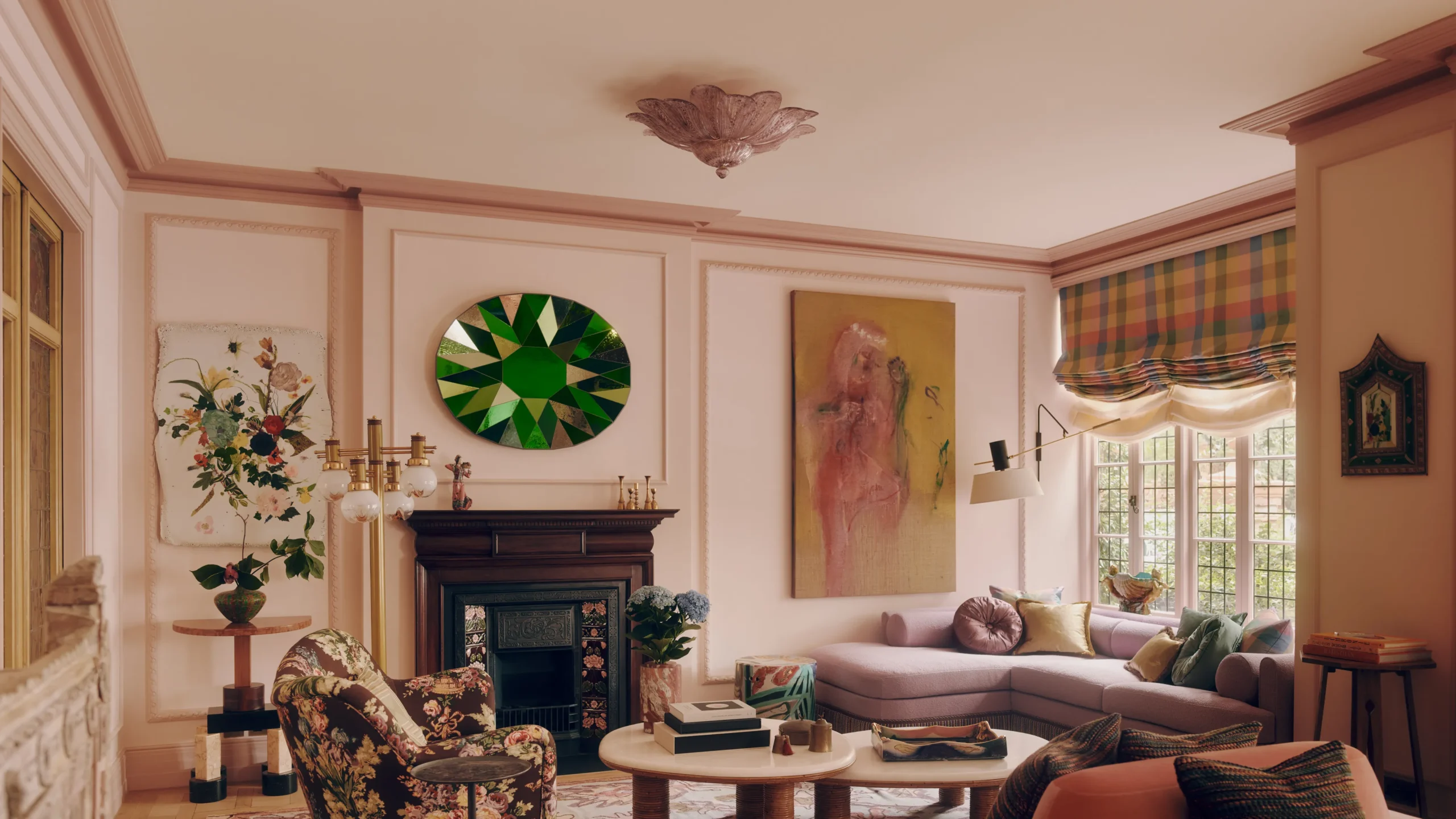
Heritage homes carry history in every wall, ceiling detail, and timber beam. But working on these buildings is not simple. Many homeowners underestimate the complexity involved in updating older properties for modern living. This often leads to design mistakes that affect both value and character.
In the UK, thousands of listed and period homes require careful renovation every year. According to Historic England, there are over 500,000 listed properties, many needing sensitive adaptation. Without proper planning, even small changes can permanently damage historical integrity.
Heritage building interior design is about more than decoration. It involves understanding structure, materials, regulations, and historical context. When done correctly, it allows homes to remain functional while preserving their identity for future generations.
Mistake 1: Removing Original Features Without Understanding Their Value
One of the most common mistakes in older properties is removing original architectural features. Fireplaces, cornices, ceiling roses, and timber flooring are often replaced with modern alternatives without considering their historical importance.
Many homeowners assume older elements are outdated or inconvenient. In reality, these features contribute significantly to a building’s identity and market value. Removing them can reduce authenticity and weaken the overall design narrative. In my experience, properties that retain original features tend to feel more balanced and characterful. Heritage building interior design focuses on enhancing these details rather than replacing them with generic solutions that lack context.
Mistake 2: Ignoring Structural Limitations
Older buildings were constructed using different methods and materials compared to modern homes. Failing to understand load-bearing walls, foundation limits, and material behaviour often leads to serious design errors. A common issue arises when homeowners attempt open-plan layouts without proper structural assessment. This can result in instability or costly corrective work later in the project. Planning approval may also be required in many cases.
Professionals working in interior architecture Glasgow often begin with detailed surveys before making any design recommendations. This ensures that proposed changes align with both structural safety and heritage requirements. Heritage building interior design must always consider the physical limitations of the property before introducing modern interventions.
Mistake 3: Using Inappropriate Modern Materials
Another frequent issue is the use of materials that do not match the original building character. Gloss finishes, synthetic flooring, and unsuitable plaster can create visual and functional conflicts within heritage spaces. Older properties were built using breathable materials like lime plaster and natural stone. Introducing incompatible materials can trap moisture, leading to long-term damage such as damp or cracking.
Research from the UK Building Conservation Directory highlights the importance of material compatibility in historic renovations. Using the wrong materials can significantly reduce building longevity. Heritage building interior design prioritises material selection that respects both aesthetics and performance. This ensures that modern upgrades do not compromise structural health.
Mistake 4: Poor Lighting Planning in Historic Spaces
Lighting is often underestimated in heritage interiors. Many older homes have limited natural light due to small windows and deep room layouts. Without proper planning, spaces can feel dark and uninviting. Homeowners sometimes rely on harsh modern lighting that disrupts the atmosphere of period interiors. This can make traditional spaces feel artificial and disconnected from their original character. A more effective approach involves layered lighting strategies that combine ambient, task, and accent lighting. This helps maintain warmth while improving visibility and usability.
Experts in interior architecture Glasgow frequently use discreet lighting systems that enhance architectural details without overpowering them. This approach aligns with the principles of heritage building interior design.
Mistake 5: Over-Modernising Interiors and Losing Character
One of the biggest risks in renovation projects is over-modernisation. While modern living requires comfort and efficiency, excessive contemporary design can erase the identity of a historic property. Open-plan layouts, minimalist finishes, and industrial materials may look appealing, but they often conflict with traditional architecture. This creates a disconnect between structure and interior style.
I have seen Victorian homes where original charm was replaced with overly simplified interiors. Although functional, they no longer reflected the building’s historical value or emotional appeal. Heritage building interior design aims to strike a balance between modern usability and preservation of character, ensuring both coexist naturally.
Mistake 6: Poor Integration of Modern Systems
Modern homes require heating, plumbing, insulation, and electrical upgrades. However, installing these systems without careful planning can damage original structures and finishes. Visible wiring, bulky radiators, or poorly placed ventilation systems can disrupt the visual harmony of heritage interiors. In some cases, they may even require further costly adjustments.
In the UK, energy efficiency upgrades are increasingly required under building regulations. However, these must be integrated sensitively in older properties to avoid compromising historic features. Professionals in interior architecture Glasgow often design concealed systems that maintain aesthetic integrity while meeting modern standards. This approach supports long-term sustainability within heritage building interior design.
Mistake 7: Lack of Professional Guidance
Many renovation issues arise because homeowners attempt complex heritage work without specialist support. Older buildings require knowledge of conservation rules, materials, and historical context. Without expert input, decisions are often based on aesthetics alone rather than structural or historical accuracy. This can lead to planning issues, increased costs, and irreversible design mistakes.
According to UK property renovation surveys, projects involving professional guidance are significantly more likely to stay within budget and achieve higher long-term value. Heritage building interior design benefits greatly from collaboration between designers, architects, and conservation specialists. This ensures that every decision supports both functionality and preservation.
Real UK Case Studies and Practical Insights
Across the UK, several restoration projects highlight the importance of avoiding these mistakes. In Edinburgh, a Georgian townhouse was restored after previous renovations had removed original plasterwork and damaged room proportions. The new design team reinstated period details while integrating modern heating and insulation systems. The result was a home that balanced comfort with authenticity.
Similarly, in Glasgow, a Victorian villa underwent full refurbishment guided by experts in interior architecture Glasgow. The project preserved key features while introducing discreet modern upgrades. These examples show how thoughtful planning within heritage building interior design leads to stronger outcomes both visually and functionally.
The Role of Planning and Research in Successful Renovation
Successful heritage renovation begins with research. Understanding the history of a property helps guide decisions about layout, materials, and restoration priorities. Historic maps, building records, and architectural surveys provide valuable insights into original design intent. This information ensures that changes remain consistent with the building’s character.
Planning permission is also an important factor in many heritage projects. Listed buildings and conservation areas often require approval before structural changes can be made. Heritage building interior design depends on this careful balance between creativity and regulation to ensure long-term success.
Balancing Modern Living with Historical Integrity
Modern homeowners expect comfort, efficiency, and flexibility. However, achieving these goals in historic properties requires careful compromise. Energy efficiency upgrades, improved storage solutions, and functional layouts must be integrated without compromising architectural value. This is where thoughtful design becomes essential.
Professionals in interior architecture Glasgow often focus on creating invisible improvements that enhance usability while preserving original aesthetics. Heritage building interior design ensures that modern life can exist comfortably within historic environments without erasing their identity.
Conclusion
Renovating historic properties is a responsibility as much as it is a design opportunity. Mistakes can permanently affect both value and character, making careful planning essential from the beginning. By avoiding common errors such as removing original features, ignoring structure, or over-modernising interiors, homeowners can protect the integrity of their property.
Heritage building interior design provides a structured approach that respects history while supporting modern living needs. It ensures that every decision contributes to long-term value and sustainability.
With support from specialists in interior architecture Glasgow, homeowners can confidently transform heritage properties into functional, comfortable, and historically respectful living spaces. Ultimately, the goal is not to modernise history away but to allow it to evolve in a way that remains meaningful for future generations.



Post Comment