IT Asset Disposition Services: Secure, Sustainable, and Cost-Effective IT Lifecycle Management
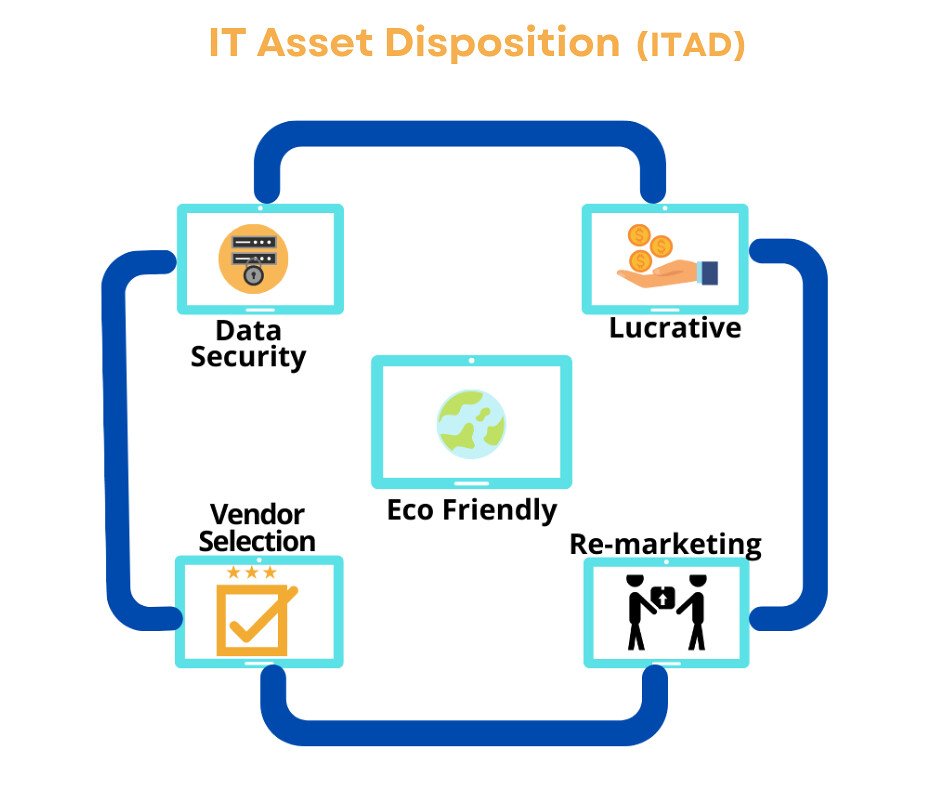
Technology is constantly evolving, and organizations regularly replace computers, servers, networking equipment, mobile devices, and data center hardware to maintain security, performance, and productivity. While purchasing new equipment often receives the most attention, disposing of retired technology is equally important. Improper disposal can expose sensitive information, create compliance risks, and result in unnecessary financial losses.
Professional IT asset disposition (ITAD) services provide organizations with a secure, documented, and environmentally responsible way to retire IT equipment while maximizing its remaining value. Rather than viewing outdated technology as waste, IT asset disposition transforms retired assets into opportunities for cost recovery, regulatory compliance, and sustainable business practices.
What Are IT Asset Disposition Services?
IT asset disposition refers to the complete process of securely retiring, remarketing, recycling, or destroying information technology equipment after it reaches the end of its useful life within an organization.
Rather than focusing on a single service such as recycling or data destruction, professional ITAD encompasses every stage of the retirement process. This includes equipment collection, transportation, inventory management, secure data sanitization, value recovery, recycling, compliance reporting, and detailed chain-of-custody documentation.
A comprehensive ITAD strategy ensures every device follows a secure, traceable path from decommissioning through its final disposition.
Why Proper IT Asset Disposition Matters
Organizations today manage enormous amounts of sensitive information across thousands of devices. Even equipment that appears obsolete may still contain confidential business data, customer records, financial information, intellectual property, employee files, or regulated healthcare information.
Simply deleting files or formatting hard drives does not permanently erase stored data.
Professional IT asset disposition protects organizations by ensuring all storage media undergo certified data destruction before equipment is resold, recycled, or destroyed.
Beyond security, ITAD also helps businesses:
- Reduce cybersecurity risks
- Meet industry compliance requirements
- Recover value from retired equipment
- Support sustainability initiatives
- Simplify large-scale technology refreshes
- Maintain detailed audit documentation
An organized disposition process protects both the organization’s reputation and its financial investment.
Recovering Value Through IT Asset Buyback
Many retired devices continue to retain market value long after they’ve been replaced internally.
Laptops, desktops, servers, networking hardware, tablets, mobile devices, storage arrays, and enterprise equipment may all be suitable for refurbishment and resale.
Rather than allowing equipment to sit unused in storage rooms or warehouses, organizations can recover a portion of their original investment through structured asset buyback or remarketing programs.
Each device is evaluated according to factors such as age, condition, specifications, market demand, and functionality.
For organizations with ongoing equipment refreshes, remarketing programs provide an alternative approach where assets are sold on the organization’s behalf rather than purchased outright. This creates additional flexibility while still ensuring secure data destruction and complete documentation.
Recovering value helps offset future technology investments while reducing unnecessary electronic waste.
Supporting Corporate Technology Refresh Programs
Replacing hundreds—or even thousands—of devices across multiple offices requires careful planning.
Corporate refresh programs streamline large-scale technology transitions by coordinating every aspect of the retirement process.
This typically includes:
- Device inventory and tracking
- Equipment collection
- Multi-site logistics
- Secure packaging
- Data destruction
- Asset evaluation
- Remarketing
- Recycling
- Final reporting
Instead of managing multiple vendors for transportation, recycling, and data destruction, organizations benefit from a coordinated process that reduces administrative complexity while maintaining consistent documentation throughout the project.
Whether replacing employee laptops, upgrading workstations, or modernizing entire data centers, structured refresh programs help organizations complete projects efficiently while minimizing disruption.
Secure Data Destruction Protects Sensitive Information
Data security remains one of the most important components of any IT asset disposition program.
Retired devices frequently contain recoverable information unless specialized sanitization procedures are performed.
Professional data destruction typically includes multiple approved methods depending on the device and organizational requirements.
Logical data sanitization permanently overwrites storage media using industry-recognized standards such as NIST SP 800-88, making previously stored information unrecoverable.
When physical destruction is required, hard drives, solid-state drives, backup media, and other storage devices may be shredded to ensure complete destruction.
Every sanitization process should generate detailed records that document:
- Device identification
- Serial numbers
- Sanitization method
- Completion date
- Verification results
- Technician records
These records provide organizations with documented proof that sensitive information has been permanently destroyed.
Certified Electronics Recycling
Not every piece of retired technology retains resale value.
Older, damaged, or obsolete equipment often reaches the end of its usable life and requires responsible recycling.
Certified electronics recycling ensures valuable materials such as aluminum, copper, steel, plastics, and precious metals are recovered while hazardous materials remain out of landfills.
Responsible recycling also reduces environmental impact by minimizing the need for raw material extraction and supporting the circular economy.
Every recycled device should remain traceable through documented chain-of-custody records until final processing has been completed.
This documentation provides transparency while helping organizations demonstrate responsible environmental stewardship.
Logistics That Simplify Asset Collection
Managing equipment across multiple locations can become one of the largest challenges during technology retirement projects.
Professional IT asset disposition services often include logistics solutions designed to simplify collection regardless of organization size.
These services may include white glove packing, secure transportation, palletization, equipment removal, prepaid shipping labels for smaller quantities, and coordinated pickups across multiple facilities.
For organizations operating regional offices, schools, healthcare facilities, or distributed workforces, centralized logistics eliminate the need to coordinate multiple transportation vendors.
Every shipment remains documented throughout transit to preserve an unbroken chain of custody.
Maintaining Compliance and Documentation
Many industries operate under strict regulations governing how sensitive information must be protected and destroyed.
Organizations in healthcare, financial services, education, legal services, government, and technology often require detailed audit records demonstrating compliance with applicable security standards.
Professional IT asset disposition programs generate documentation that supports internal governance and regulatory requirements.
Typical records include asset inventories, serial number tracking, certificates of data destruction, recycling documentation, logistics records, and complete chain-of-custody reporting.
Having organized documentation simplifies audits while reducing compliance risks during inspections or regulatory reviews.
Who Benefits from IT Asset Disposition Services?
IT asset disposition services support organizations of every size, particularly those retiring technology in larger quantities.
Common users include:
Businesses replacing employee computers during hardware refreshes, school districts cycling student devices, healthcare organizations upgrading workstations, government agencies retiring secure equipment, financial institutions replacing infrastructure, leasing companies processing end-of-term returns, and data centers decommissioning servers and networking hardware.
While larger projects often involve dozens or hundreds of devices, many providers also evaluate smaller equipment lots based on overall asset value rather than quantity alone.
Choosing the Right ITAD Partner
Selecting an IT asset disposition provider involves much more than finding someone to collect old computers.
Organizations should evaluate providers based on their security procedures, documented chain of custody, data destruction standards, environmental certifications, logistics capabilities, reporting quality, and experience managing enterprise-scale projects.
A strong ITAD program combines secure data destruction, value recovery, responsible recycling, and complete documentation into one coordinated process.
When every stage is handled professionally, organizations reduce risk, improve operational efficiency, recover value from retired technology, and demonstrate responsible environmental practices.
Conclusion
IT asset disposition services play a critical role in modern IT lifecycle management. By combining secure data destruction, equipment remarketing, certified recycling, logistics management, and detailed compliance documentation, organizations can retire technology confidently while protecting sensitive information and maximizing the remaining value of their assets.
As technology refresh cycles continue to accelerate, a well-planned ITAD strategy helps businesses reduce security risks, support sustainability goals, simplify large-scale equipment retirements, and maintain complete visibility from initial collection through final disposition.






Post Comment