Is Your Indoor LED Screen a Cost or an Asset?
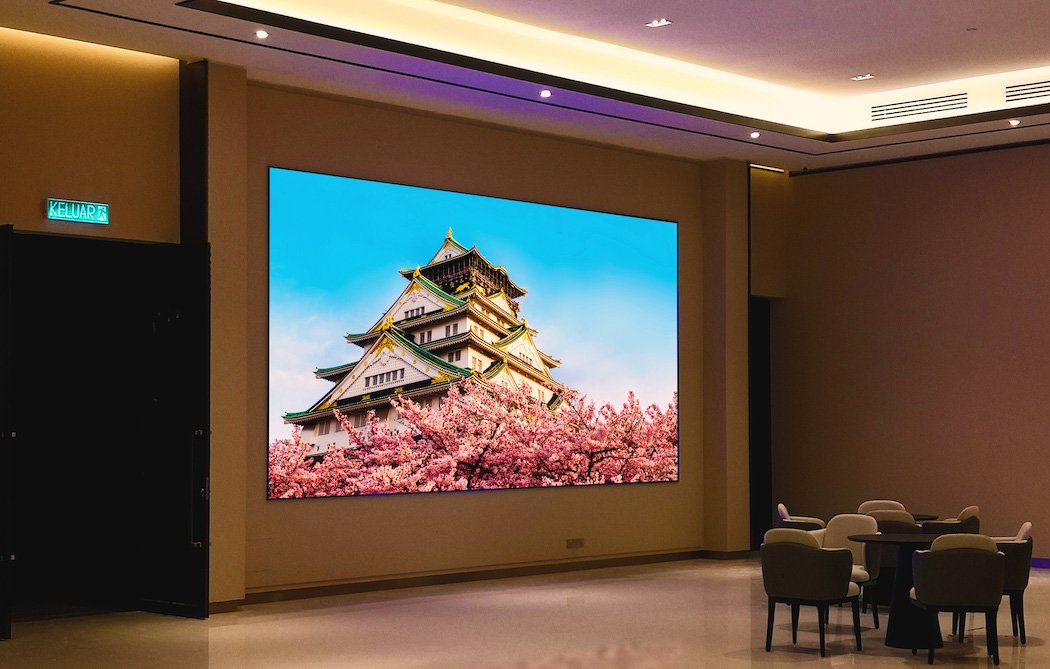
Walk into any modern retail store, corporate headquarters, or entertainment venue, and you’ll likely spot one: a vivid, high-resolution indoor LED screen commanding attention from across the room. These displays have surged in popularity over the last decade, and for good reason. But for many business owners, the question isn’t whether LED screens look impressive—it’s whether they’re worth the money. Is an indoor LED screen a hefty line item on your balance sheet, or a strategic asset that pays for itself over time?
The answer, when you look closely, is clear. When implemented thoughtfully, an indoor LED screen stops being an expense and starts being one of the most productive investments your business can make.
Understanding the Upfront Investment
Let’s address the elephant in the room: indoor LED screens aren’t cheap. The initial purchase price varies considerably depending on size, resolution, pixel pitch, and additional features like touch capability or curved panels. A small display for a reception area might cost a few thousand pounds, while a large-format screen for a retail flagship or conference centre can run into the tens of thousands.
Beyond the purchase price, there are installation costs to factor in—structural mounting, cabling, media players, and professional setup. Ongoing expenses also exist: routine maintenance, power consumption, and the occasional repair. It’s a real investment, and pretending otherwise wouldn’t serve you well.
Common concerns from first-time buyers tend to cluster around three areas: the perceived complexity of managing content, uncertainty about lifespan, and the fear that the technology will become obsolete before delivering a return. These are legitimate questions. But they’re also questions with strong answers.
Why an Indoor LED Screen Is One of Your Most Valuable Assets
Customer Engagement That Static Displays Simply Can’t Match
Dynamic content is proven to outperform static signage. Motion, colour changes, and timely messaging capture attention in ways that printed posters and fixed displays cannot. An indoor LED screen allows you to rotate promotions throughout the day, showcase product demonstrations, display live social media feeds, or run entertaining content that keeps visitors engaged longer.
In retail environments, longer dwell time directly correlates with higher spend. In corporate lobbies, a professionally designed welcome screen signals credibility and attention to detail before a client even shakes your hand. In entertainment venues, real-time information displays reduce confusion and improve the overall visitor experience.
Revenue Generation and Marketing Leverage
An indoor LED screen isn’t just a communication tool—it’s a revenue platform. Retailers use them to promote high-margin products, drive impulse purchases, and run time-sensitive offers. Businesses with high foot traffic can even sell advertising slots to partners or suppliers, turning the screen into a direct income stream.
From a brand-building perspective, the flexibility of digital content means your messaging can evolve with your campaigns, seasons, and audience. There’s no reprint cost every time a promotion changes, and no lag between a decision and its execution on the floor.
Operational Efficiency Across the Business
Indoor LED screens aren’t just customer-facing. Many businesses deploy them internally to streamline communication with staff—sharing KPIs, safety updates, shift schedules, or company announcements in real time. In healthcare settings, they display waiting times. In logistics and manufacturing, they relay production data and alerts to teams on the floor.
The operational payoff here is twofold: employees stay better informed, and businesses reduce their reliance on printed materials, contributing to both cost savings and sustainability goals.
Flexibility That Keeps Pace with Your Business
One of the most underappreciated advantages of indoor LED screens is how adaptable they are. Content can be updated instantly, scheduled in advance, and tailored to specific times of day or audience segments. Most modern systems integrate with content management platforms, allowing a single operator to manage multiple screens across different locations from one dashboard.
As your business grows or pivots, the screen grows with you. New products, new campaigns, new messaging—none of it requires a new display.
Built to Last
Early concerns about LED lifespan have largely been overtaken by advancements in the technology. Modern indoor LED screens are engineered for continuous operation, with many rated for 50,000 to 100,000 hours of use. With proper maintenance—keeping the display clean, ensuring adequate ventilation, and addressing minor issues before they escalate—a well-chosen screen can serve your business reliably for a decade or more.
That kind of longevity reframes the upfront cost entirely. Spread over ten years, the investment looks very different from how it appears on day one.
How to Get the Most from Your Indoor LED Screen
Invest in Content, Not Just Hardware
The screen is only as effective as what’s shown on it. Businesses that treat content as an afterthought often find their displays cycling through outdated promotions or generic imagery—wasted potential. Effective content is high-quality, relevant to the audience in front of it, and updated regularly. Build a content calendar, assign ownership, and treat the display as a live marketing channel.
Position for Maximum Impact
Placement matters enormously. A display tucked in a corner, mounted too high, or angled away from foot traffic delivers a fraction of its potential value. Consider the natural flow of movement through your space, identify the highest-visibility positions, and account for ambient lighting conditions. In brighter environments, a higher brightness specification ensures the screen remains vivid and readable throughout the day.
Align the Screen with Your Business Objectives
The businesses that extract the most value from indoor LED screens are those that use them with intention. Before deploying content, ask what you want the display to achieve. Drive sales of a specific product category? Reduce perceived waiting times? Strengthen brand identity? Each objective suggests a different content strategy, and clarity on goals makes it much easier to measure success.
Maintain the Display Proactively
Preventive maintenance is far less costly than reactive repairs. Schedule regular cleaning, monitor brightness and colour calibration over time, and keep firmware and software updated. Most reputable manufacturers offer service packages that make this straightforward. A well-maintained display not only lasts longer—it also continues to represent your brand at its best.
Rethinking the Way You View the Investment
The businesses most likely to view their indoor LED screen as a burden are those that bought one without a clear strategy. The businesses most likely to see it as an asset are those that treat it as one—integrating it into their marketing, operations, and customer experience from day one.
The upfront cost is real, but so is the return. Enhanced customer engagement, new revenue opportunities, stronger brand presence, operational efficiencies, and a lifespan measured in years rather than months—these aren’t hypothetical benefits. They’re what a well-deployed indoor LED screen delivers, consistently, for businesses across every sector.
The question was never really whether the screen costs money. Of course it does. The better question is what it earns you in return—and on that front, the evidence makes a compelling case.


Post Comment