Why Your Activewear Are Sabotaging Your Output: 4 Mistakes
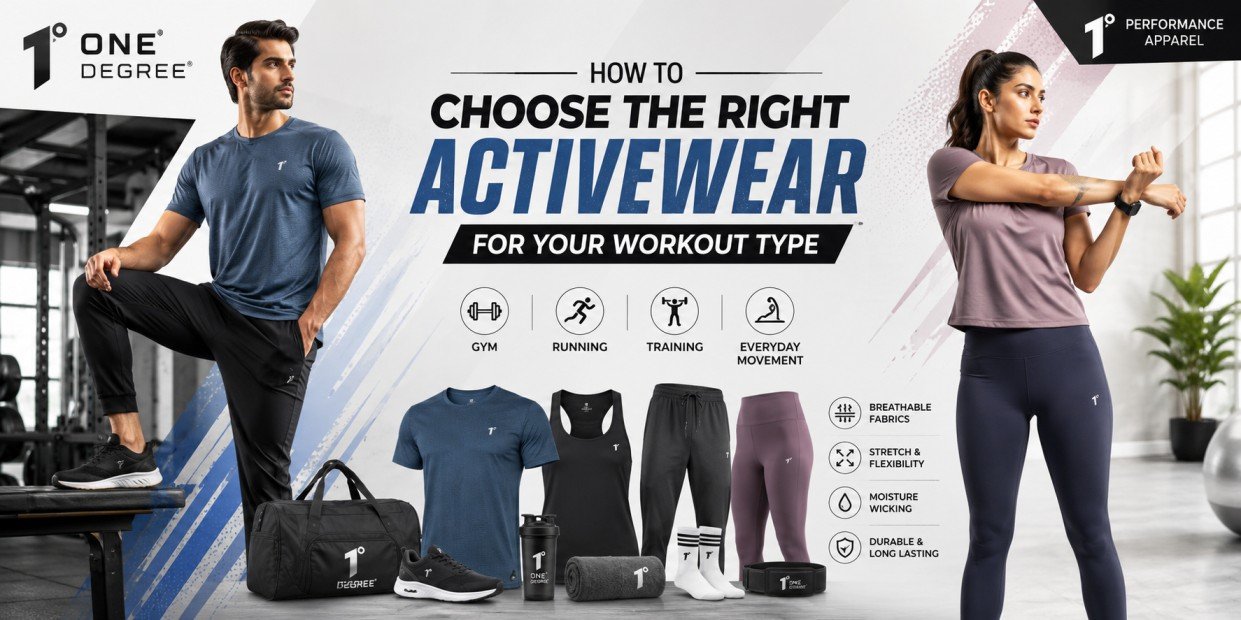
Most people optimize everything about their workout except one thing. The variable touching their body the entire session. Planning gets reviewed. Nutrition gets tracked. Sleep gets measured. The fabric against your skin through every set and sprint goes completely unexamined until performance stalls, and nobody can explain why.
Poorly engineered men’s workout apparel and women’s gym apparel don’t fail loudly. They create quite a drag: trapped heat, restricted movement, and a cardiovascular system working harder than the workout demands.
Mistake 1: The Cotton Trap
Cotton has a breathability reputation that the gym has never deserved.
At low intensity, it manages moisture adequately. Push it through a hard session, and the chemistry shifts. Cotton absorbs sweat but releases it slowly. Once saturated, it collapses against the skin and insulates instead of ventilating. Your body’s cooling system evaporative sweat loss gets blocked by the fabric meant to cover it.
The consequence is physiological. Core temperature climbs. The heart diverts resources toward cooling instead of output. Effort feels harder before the muscles have any reason to quit.
This is worse in markets where international labels don’t engineer for local conditions. A gym t-shirt built for a temperate European climate is a different product entirely in a 40°C Pakistani gym with no air conditioning.
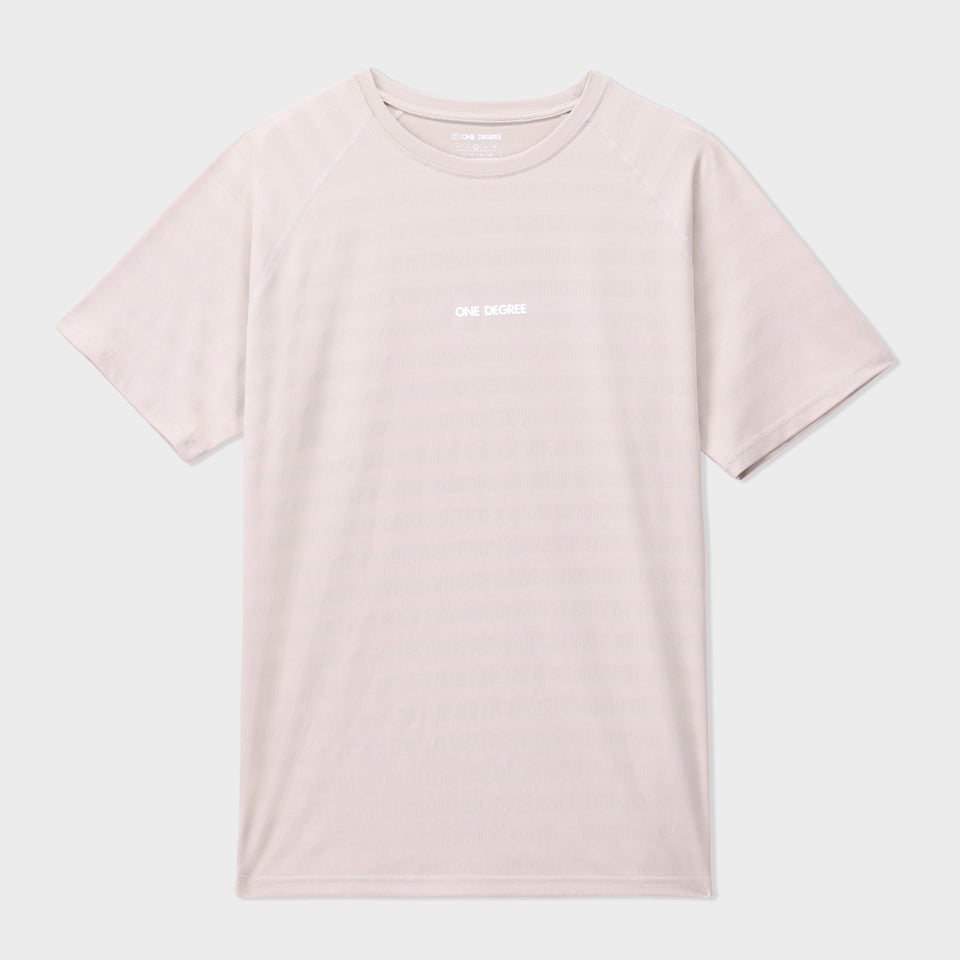
This systemic flaw is why specialized performance brands like One Degree are course-correcting the market. Their open-weave constructions, Jacquard, Grill Mesh, and Dot Mesh solve this through architecture, not marketing.
The physical gaps in the weave pull sweat away from the skin and let air move during exercise. A sports tee shirt built this way works alongside your cooling system rather than against it.
Switching from cotton men’s gym tee shirts to open-weave technical fabric is the single highest-return change most athletes can make.
Mistake 2: Misreading Fit as Comfort
The two most common fit mistakes in strength training sit at opposite ends of the same problem.
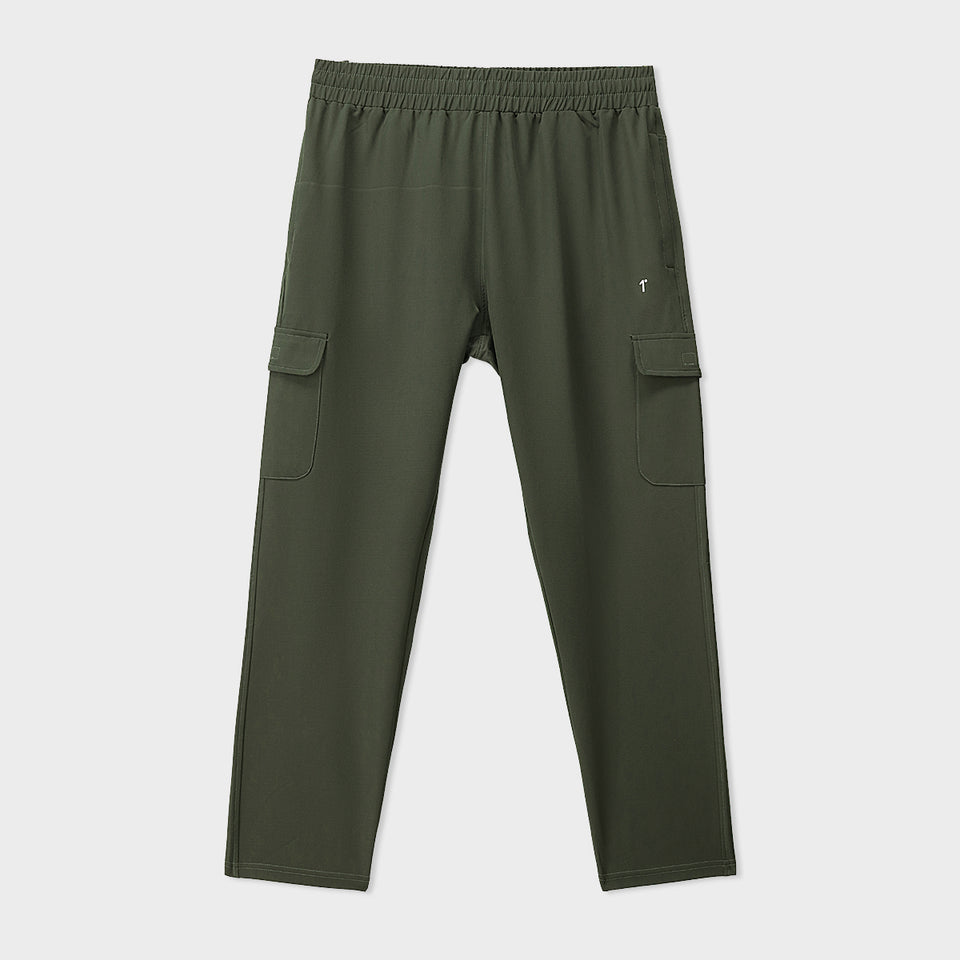
Baggy fits feel free until they interfere. During a deadlift, excess inner-leg fabric catches on the barbell. It alters the bar path mid-pull. During a squat, a loose waistband removes the feedback your core needs to hold its brace. Gym trousers for men with too much leg width create direct mechanical interference on every pulling movement.
The overcorrection causes its own damage. Ultra-tight compression without a gusset panel shifts under deep hip flexion. The seam migrates inward mid-squat. It breaks concentration at the exact moment when bracing matters most. Gym trousers for women without gusseted construction fail this consistently through high-rep leg days.
The upper body has its own version. A standard men’s workout tee’s shoulder seam sits directly on the natural shoulder line. During an overhead press, it blocks full scapular elevation every rep, every set. Move the seam slightly off-center, and the resistance disappears.
Four-way stretch and a wide, high-tension waistband are not premium additions. They are the minimum requirements for clothing worn under load.
Mistake 3: Ignoring Kinetic Force on Clothing
Static clothing doesn’t behave the same way under dynamic movement. Most activewear is designed as if it does.
During explosive vertical movements, such as box jumps, burpees, and jump squats, upward kinetic force acts on every garment simultaneously. A straight-cut hem has no mechanical anchor at the back. It rides up. The athlete breaks rhythm mid-set to pull it down. That interruption affects landing mechanics, not just comfort.
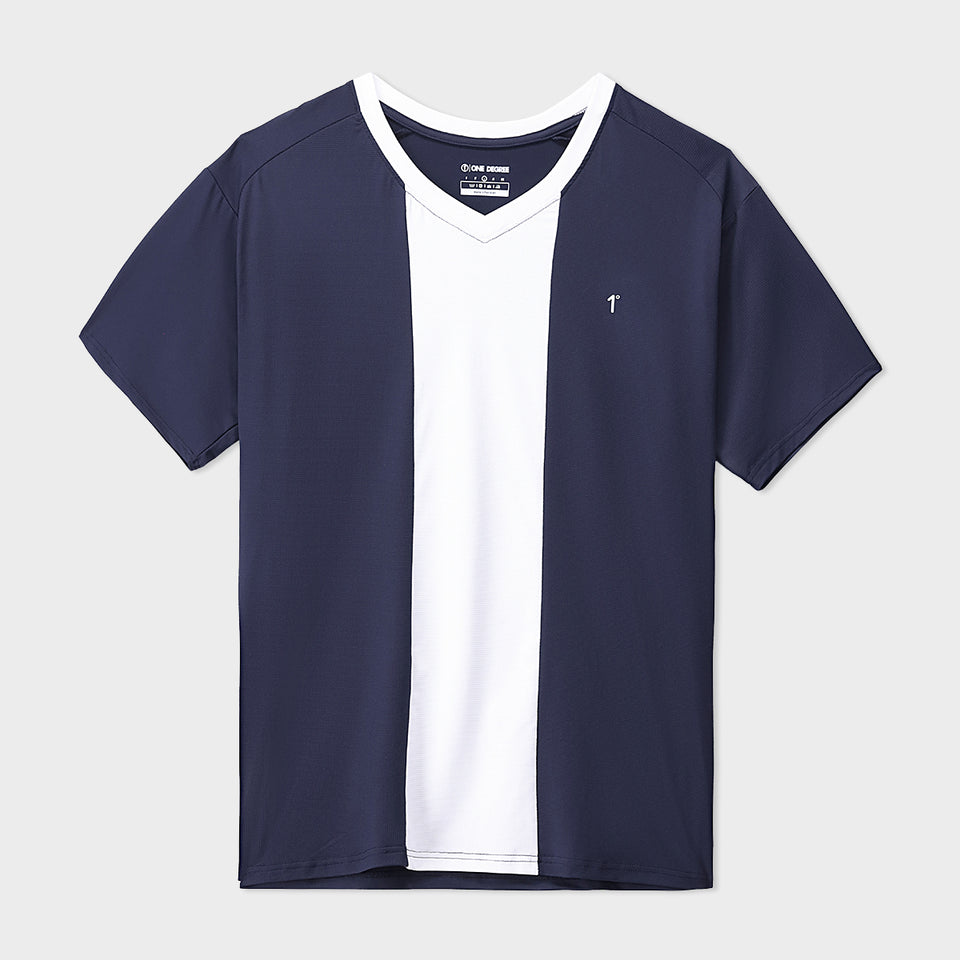
A drop-tail hem fixes this. It runs longer at the back than the front. The body’s own geometry keeps the garment anchored during vertical movement. A properly constructed women’s fit t-shirt handles neckline shift through fabric tension and collar geometry, not just tighter sizing. For ladies’ gym t-shirts (for high-impact sessions), this detail separates gear that stays put from gear that constantly needs attention.
The best workout tops for women built for HIIT combine both features. The athlete stops thinking about the garment mid-session. Gym t-shirts for women engineered this way remove a variable that should never have existed.
For the lower body, gym shorts men use for sprint work need a split hem at the outer thigh. Without it, the fabric bunches against the hip flexor during knee drive drag at the exact joint responsible for stride power.

Mistake 4: Washing Technical Fabric Like Cotton
Premium activewear fails in the laundry more often than it fails in the gym.
Two things destroy technical fabric faster than training. First: fabric softener. It deposits a hydrophobic silicone coating on synthetic fibers that degrades moisture-transport capability wash by wash. The garment feels softer. It wicks worse. After several washes, a technical fabric performs like standard cotton. The coating has broken the sweat-transport system that the weave was built around.
Second: heat. Machine drying breaks down the stretch fibers in elastane. Recovery deteriorates with each heat cycle. The fit that once moved with the body starts sagging under load.
Cold wash. Air dry. No softener. Three rules that add years to technical activewear’s working life.
Audit Your Equipment
Clothing doesn’t announce its failures. It quietly raises the cost of every session, more heat, less range, and more concentration pulled away from the movement itself.
Treat the gear in your gym bag with the same attention you give your workout plan. If the fabric traps heat, shifts under load, or needs adjusting mid-set, it is working against the training. Upgrading activewear to match training intensity is not an aesthetic decision. It is the same category of choice as upgrading any equipment that directly affects output.


Post Comment