5 Signs Your Brand Has Outgrown Folding Cartons
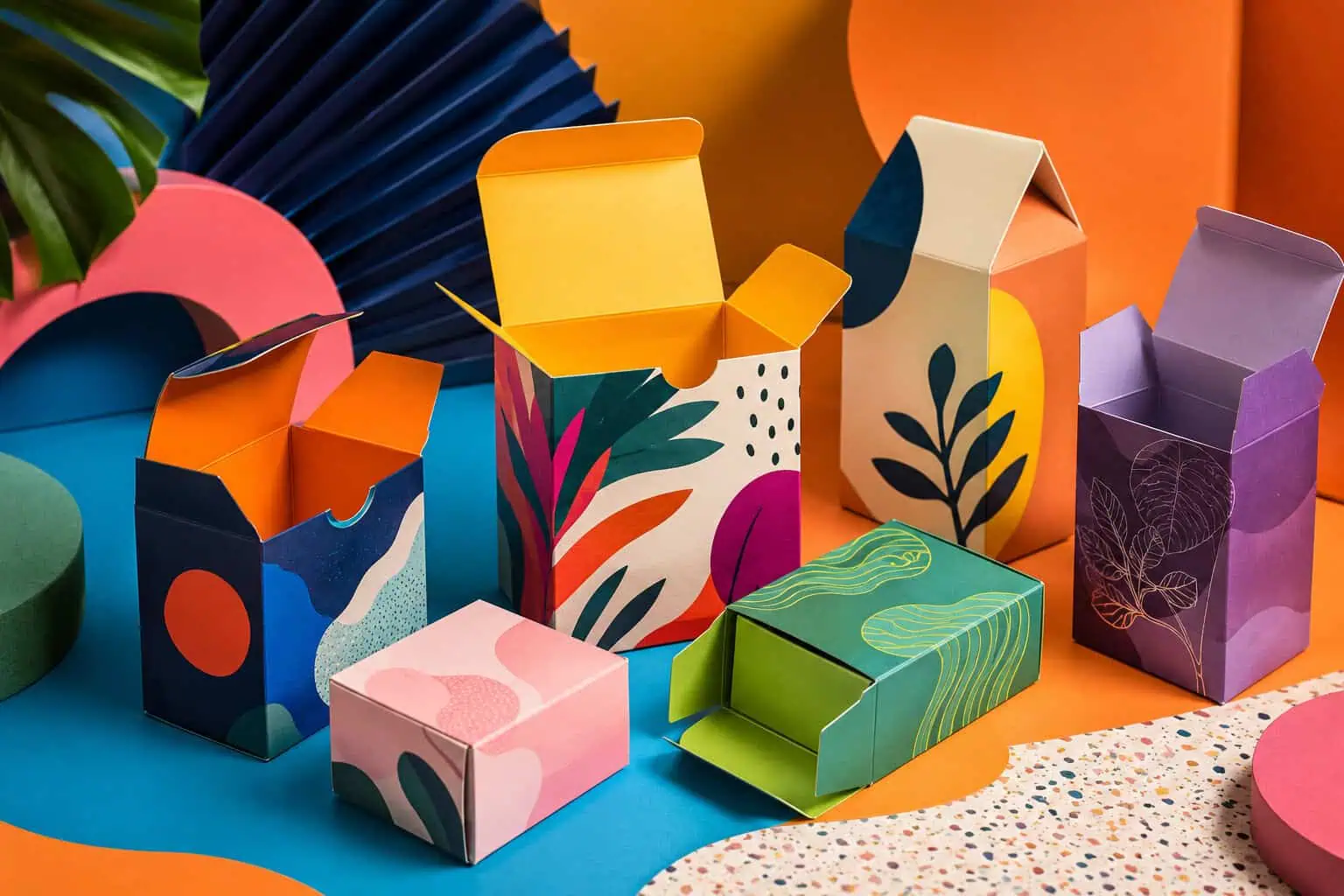
Folding cartons are the right starting point for most growing brands, cost-efficient, flexible, and fast to produce. But there’s often a specific point in a brand’s growth where the folding carton that served the business well for its first thousand orders starts to feel like a ceiling rather than a foundation. Here’s how to recognize that inflection point.
1. Customers Are Commenting on the Unboxing, Just Not Positively
If customer feedback or social mentions of your packaging skew toward “the box felt flimsy” or “I expected more for the price,” that’s a fairly direct signal that your packaging is undercutting the perceived value of the product itself.
This is especially common once a brand’s price point has climbed faster than its packaging has evolved; a $80 product in the same folding carton it shipped in at a $30 price point creates a perception gap that rigid packaging is specifically designed to close.
2. Your Average Order Value Has Crossed a Premium Threshold
There’s no universal dollar figure where folding cartons stop making sense, but as a general pattern, once a product’s price point moves into territory where customers are making a considered, higher-stakes purchase decision, gift-tier items, premium cosmetics, specialty spirits, the packaging is expected to match that decision’s weight.
If your average order value has grown significantly since you first chose your packaging format, it’s worth revisiting whether that original choice still matches your current price positioning.
3. You’re Competing on Shelf Presence, Not Just Online
Brands moving from purely direct-to-consumer sales into retail or boutique placement face a genuinely different packaging challenge: standing out on a shelf next to competitors, rather than simply arriving intact in a customer’s mailbox.
Rigid boxes, with their structural presence and finish options, generally perform better in a competitive shelf environment than folding cartons, which can look comparatively insubstantial next to rigid packaging from competing brands in the same category.
4. You’ve Started Offering Gift or Subscription Tiers
Once a brand introduces a gifting option or a premium subscription tier, the packaging expectations for that specific offering typically shift even if the base product packaging hasn’t changed.
Customers purchasing something explicitly as a gift are, implicitly, purchasing the unboxing experience as part of the gift itself, not just the product.
This is one of the most common and clear-cut triggers for a brand’s first rigid box order, even when the rest of the product line stays in folding cartons.
5. Packaging Damage or Product Movement Is a Recurring Complaint
If customer service is fielding recurring complaints about products shifting, denting, or arriving with visibly crushed packaging, that’s a structural durability problem as much as a brand perception one.
Folding cartons, particularly at lighter board weights, can struggle to protect fragile or heavier products through standard shipping handling.
Rigid box construction, with its solid chipboard core, offers meaningfully more structural protection for products where that kind of damage has become a recurring, costly issue.
The Financial Case, Beyond Brand Perception
It’s worth being direct that the switch to rigid packaging is often justified on brand perception grounds alone, but there’s frequently a measurable financial case as well.
Reduced product damage and the associated replacement or refund costs, improved retail sell-through in competitive shelf environments, and measurable increases in repeat purchase rate tied to unboxing experience have all been cited by brands that made the switch as tangible returns, not just qualitative brand improvements.
Framing the decision purely as a cost increase, without weighing these offsetting factors, tends to understate the actual business case for brands where several of the signs above genuinely apply.
What Switching Actually Involves
Moving from folding cartons to rigid boxes isn’t an all-or-nothing decision, and most brands don’t need to convert their entire product line at once.
A common and lower-risk approach is introducing rigid packaging for a specific tier, gift sets, a flagship product, or a premium line extension, while keeping folding cartons for higher-volume, lower-margin items where cost efficiency still matters more than unboxing impact.
This lets a brand test the impact of rigid packaging on customer perception and repeat purchase behavior for a defined segment before committing to a broader packaging overhaul.
If several of these signs sound familiar, it’s generally worth requesting samples and a quote rather than continuing to guess at whether the switch is worth it.
Seeing your actual product in a rigid box, rather than evaluating the decision in the abstract, tends to make the case for or against the switch considerably clearer than any specification comparison can.




Post Comment