Secure Offshore Company Setup Cyprus Today
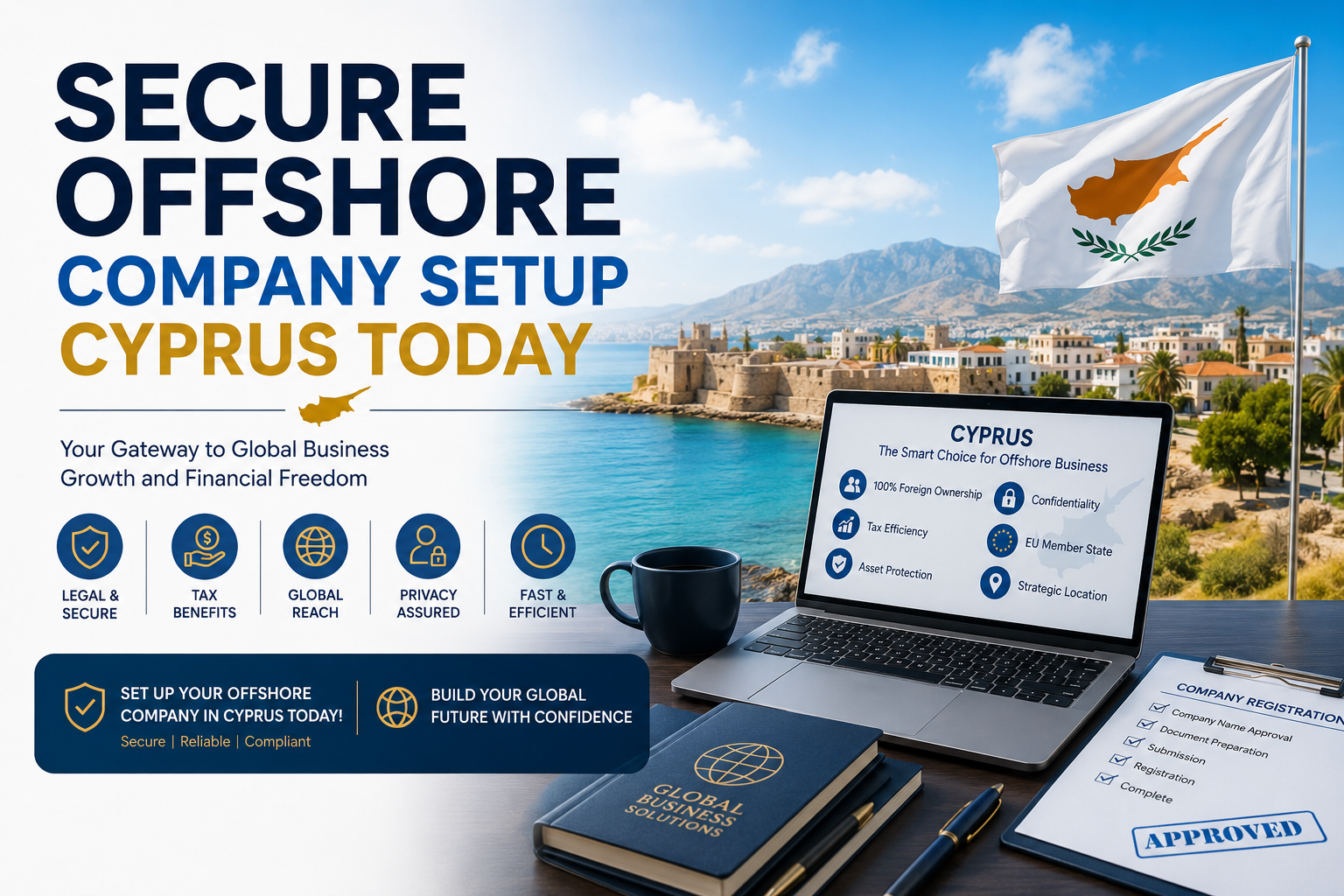
People still search for “offshore company setup Cyprus,” and it’s worth clearing something up before diving in: Cyprus isn’t really an offshore jurisdiction in the classic sense anymore, and hasn’t been for a long time. It’s a full EU member state, subject to EU anti-money-laundering directives, beneficial ownership registers, and OECD reporting standards. What it offers instead is something arguably more durable — a legitimate, well-regulated, low-tax EU base that happens to deliver many of the benefits people historically sought offshore, but with the credibility and banking access that genuine offshore centers increasingly lack. If security and longevity matter to you, that distinction is actually the whole point.
Why “Secure” Is the Right Word for Cyprus Right Now
Security, in this context, means a few concrete things: legal certainty, banking access, and a regulatory environment that won’t suddenly blacklist your structure. Cyprus checks all three boxes better than most alternatives. It operates under the Companies Law, Cap. 113, a statute derived from English common law that international lawyers and banks understand instinctively. It’s not on the EU’s list of non-cooperative jurisdictions, and its most recent standing was reaffirmed in a February 2026 Council review. For anyone who has watched genuinely Offshore Company Setup Cyprus jurisdictions get blacklisted, sanctioned, or lose correspondent banking relationships overnight, that stability carries real weight. A secure Cyprus company setup today means building on ground that isn’t likely to shift under you in a year or two.
The Tax Picture, Post-2026 Reform
A reform effective January 1, 2026 raised Cyprus’s corporate tax rate from 12.5% to 15%, bringing it in line with the OECD’s global minimum tax standard. That sounds like the headline got worse, but the surrounding changes mostly offset it. The Special Defence Contribution on dividends fell from 17% to 5%, and the old Deemed Dividend Distribution mechanism — which used to tax undistributed profits after two years regardless of whether they were actually paid out — was scrapped entirely. Combined with a participation exemption on qualifying dividends and capital gains, zero withholding tax on outbound dividends, interest, and royalties, and a treaty network covering more than 65 countries, Cyprus still delivers one of the more efficient legitimate structures available in the EU, without relying on secrecy or a lack of oversight to do it.
Setting It Up: What the Process Involves
A secure setup starts with getting the basics right. You’ll reserve a company name, draft the Memorandum and Articles of Association, and file with the Registrar of Companies and Intellectual Property. There’s no minimum share capital requirement — most companies incorporate with a nominal €1,000 authorized and as little as €1 issued — and a single individual can serve as sole shareholder and director, with no restrictions on nationality or residency. Straightforward cases are typically completed in 8 to 15 working days with comply globally. From there, registering for a Tax Identification Number must happen within 60 days of incorporation, and VAT registration becomes mandatory once turnover crosses €15,600, or immediately for certain cross-border activity.
The Step People Underestimate: Banking and Substance
If there’s one place “secure” and “offshore” genuinely part ways, it’s here. Real offshore jurisdictions often struggle to offer functioning bank accounts at all these days, as international banks quietly de-risk away from them. Cyprus banks, by contrast, will open accounts for properly documented structures — but they apply thorough know-your-customer checks, and the process can realistically take anywhere from two weeks to a few months depending on the bank and the client’s profile. Increasingly, banks and regulators also expect genuine substance: a real registered office, board decisions actually made in Cyprus, and, where tax residency is the goal, a majority of Cyprus-resident directors. A shell with a certificate and nothing else is precisely the kind of structure that modern EU substance rules, like ATAD, are designed to catch.
The Bottom Line
If what you’re really after is discretion at any cost, Cyprus was never going to be that jurisdiction, and pretending otherwise would be doing you a disservice. But if “secure” means a structure that will still be standing, still banking normally, and still legally sound in five or ten years, Cyprus is one of the stronger EU-based answers available today — provided it’s set up properly, with real substance behind it and professional guidance from the start rather than treated as a shortcut.






Post Comment