What Engineering Resume Consulting Can Do for Your Career
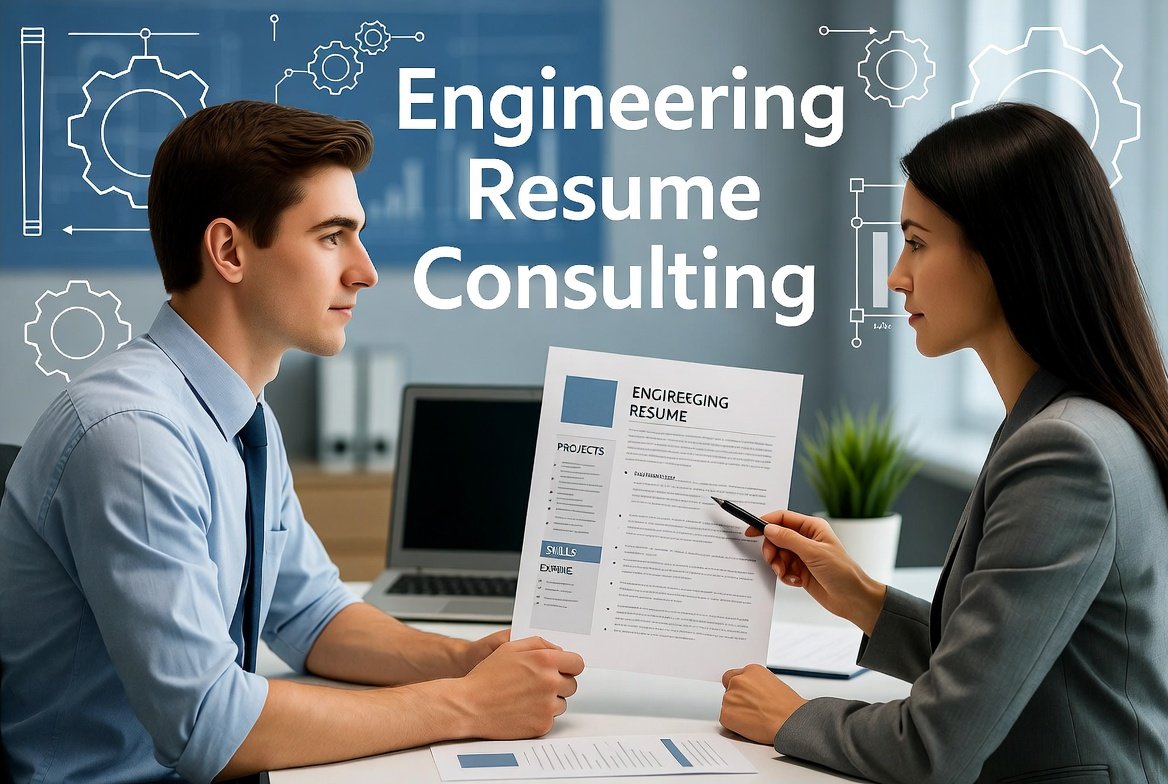
Engineering is built on solving problems.
Every project completed, every process improved, and every technical challenge overcome adds to your professional experience. Yet when engineers begin looking for a new opportunity, many discover that years of hard work aren’t always reflected on paper.
A resume should do more than list employers and responsibilities. It should explain how your work created value, how you’ve grown throughout your career, and why you’re the right person for the next opportunity.
That’s where many professionals begin to see the benefit of engineering resume consulting. The goal isn’t to rewrite your career. It’s to present your experience in a way that employers immediately understand and appreciate.
A Great Career Doesn’t Always Translate Into a Great Resume
One of the biggest misconceptions engineers have is believing that technical expertise alone will secure interviews.
In reality, recruiters only know what they can read.
If your resume focuses on daily responsibilities instead of achievements, they may never realize the impact you’ve made.
Think about the projects you’ve delivered.
Have you reduced production costs?
Improved manufacturing efficiency?
Designed innovative solutions?
Managed cross-functional teams?
Implemented systems that increased productivity?
These accomplishments deserve attention because they demonstrate far more than technical knowledge. They show initiative, leadership, and business value.
Engineering Employers Want More Than Technical Skills
Strong technical ability will always be important, but today’s employers expect engineers to bring much more to the table.
Communication.
Collaboration.
Project ownership.
Problem-solving.
Adaptability.
These qualities often influence hiring decisions just as much as technical qualifications.
Whether you’re a mechanical engineer, civil engineer, software engineer, electrical engineer, or project engineer, employers want professionals who can work effectively with both people and technology.
Your resume should communicate that balance.
Your Resume Is Part of Your Professional Brand
Every engineer has developed a unique career path.
Some specialize in automation.
Others focus on infrastructure, product development, manufacturing, quality assurance, or engineering project management.
Your resume should reflect those strengths instead of looking like a generic document.
Professional branding isn’t about using impressive words.
It’s about helping employers understand what you do exceptionally well.
When your expertise becomes clear within the first few moments of reading your resume, you’re far more likely to leave a lasting impression.
Why Clarity Wins Every Time
Many engineers try to include every project they’ve ever worked on.
The result is often a lengthy resume that hides the most valuable information.
Recruiters don’t need every detail.
They need the right details.
A clean structure, measurable achievements, and concise language make your experience easier to understand.
An ATS-friendly resume also improves the chances of your application reaching a recruiter in the first place, especially when applying through online job portals.
The objective isn’t to include more information.
It’s to communicate the most important information more effectively.
Looking Beyond the Job Description
Successful engineers don’t simply complete assigned tasks.
They improve systems, solve complex challenges, and contribute to long-term business success.
Those contributions should appear throughout your resume.
Instead of writing, “Responsible for project planning,” explain the outcome.
Did your planning reduce delays?
Did it improve project delivery?
Did it save time or resources?
Employers remember results far more than responsibilities.
This is one reason professionals invest in engineering resume consulting before pursuing competitive opportunities. A well-structured resume helps transform technical experience into a compelling career story—one that highlights achievements, demonstrates professional growth, and shows employers the value you can bring from day one.
Technical Expertise Opens Doors, but Leadership Keeps Them Open
As engineers progress in their careers, expectations begin to change.
Early in your career, employers are primarily interested in your technical abilities. As you gain experience, however, they start looking for something more. They want engineers who can guide projects, collaborate with different teams, mentor junior professionals, and make decisions that contribute to business success.
This is where technical leadership becomes an important part of your professional story.
Leadership doesn’t always mean managing a department. It can mean leading a product launch, coordinating with clients, improving engineering processes, or finding innovative solutions to complex problems. These experiences demonstrate initiative and show employers that you’re capable of handling greater responsibility.
Career Growth Starts With Clear Positioning
Many engineers believe that promotions and new opportunities come naturally with experience.
Experience certainly matters, but how you present that experience matters just as much.
Employers don’t automatically know the impact you’ve made throughout your career. Your resume has to communicate that value clearly.
A strong resume should show progression from one role to the next. It should highlight increasing responsibility, larger projects, stronger leadership, and measurable achievements. This creates a clear picture of someone who continues to grow rather than someone who has simply remained employed.
That approach plays an important role in long-term engineering career growth because employers want professionals who continue developing both technically and professionally.
Hiring Managers Want Evidence, Not Assumptions
One mistake many engineers make is assuming recruiters and hiring managers already understand their contributions.
They don’t.
Every accomplishment should provide evidence of your abilities.
Instead of simply mentioning that you managed projects, explain what those projects achieved.
Did they improve production efficiency?
Reduce operational costs?
Increase product quality?
Deliver projects ahead of schedule?
Support business expansion?
These details help engineering hiring managers understand the value you bring to an organization. The stronger your evidence, the stronger your application becomes.
Why Resume Strategy Matters
A resume is often viewed as a document that’s updated only when it’s time to look for another job.
In reality, it should be considered an important career tool.
Every certification, successful project, leadership opportunity, and professional achievement deserves to be added as your career develops.
Professionals who invest in engineering resume consulting often discover that they have accomplished far more than they originally realized. An experienced consultant knows how to organize technical experience into a clear, achievement-focused career story without exaggerating the facts.
The objective isn’t to make your background sound impressive.
It’s to ensure employers fully understand the value that’s already there.
Building Confidence Before the Interview
The interview isn’t where employers form their first impression.
It starts with your resume.
A clear, professional resume helps engineering recruiters quickly identify your strengths, understand your career progression, and recognize the impact you’ve made throughout different roles.
That confidence often increases the likelihood of receiving an interview invitation.
When employers understand your value before meeting you, the conversation becomes much more productive because they’re already interested in learning more about your experience.
Final Thoughts
Every engineer builds a career by solving problems, improving systems, and contributing to meaningful projects. Those accomplishments deserve more than a simple list of responsibilities.
A strong resume transforms technical experience into a professional story that reflects growth, leadership, and measurable impact. It helps employers understand not only what you’ve done but also what you’re capable of achieving in the future.
This is exactly where engineering resume consulting provides lasting value. Rather than changing your experience, it helps present it with greater clarity, stronger structure, and a sharper focus on the achievements that matter most to employers.
Ultimately, your resume should be more than an application document. It should become a reflection of your professional journey—one that gives employers confidence in your abilities and positions you for better opportunities, stronger career growth, and long-term success in the engineering profession.



Post Comment