Why Keeping an Unused Vehicle Can Cost You More Than You Think
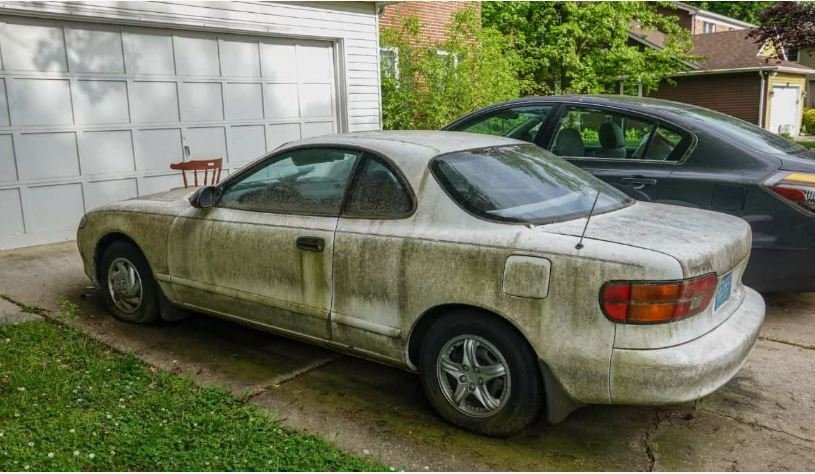
Many people have an old vehicle sitting in the driveway, garage, or backyard that they no longer use. It may have mechanical issues, registration problems, accident damage, or simply be too expensive to repair. While it can be easy to ignore a vehicle that is no longer part of your daily routine, keeping an unused car for months or even years can lead to a surprising number of hidden costs.
Instead of letting a vehicle sit and deteriorate, many owners are now exploring services such as cash for unregistered cars Perth to recover value from vehicles that are no longer roadworthy or registered. What may seem like a harmless decision to keep an old car can gradually become a financial burden that affects your property, budget, and even your safety.
The Vehicle Continues to Depreciate
One of the biggest misconceptions among vehicle owners is that an unused car will retain its value over time. In reality, vehicles are depreciating assets. The longer a car sits unused, the more its market value declines.
Age, weather exposure, rust, battery failure, tire deterioration, and mechanical issues all contribute to a lower resale value. Even if you plan to repair and sell the vehicle later, the cost of restoration often outweighs any increase in value. As months turn into years, the opportunity to sell the vehicle at a reasonable price becomes smaller.
Storage Space Has Value
Many homeowners overlook the value of the space occupied by an unused vehicle. Whether it is parked in a garage, driveway, shed, or backyard, that space could be used for more practical purposes.
A garage filled with an abandoned vehicle cannot be used for storage, home projects, or parking an active vehicle. In urban areas where parking space is limited, sacrificing valuable property space for a non-functional car can be an expensive decision.
The longer the vehicle remains on the property, the greater the opportunity cost becomes.
Maintenance Costs Do Not Disappear
Even when a vehicle is not being driven, it still requires maintenance. Many vehicle owners assume that a parked car costs nothing, but this is rarely true.
Batteries lose charge over time and may need replacement. Tires can develop flat spots or cracks. Fluids can degrade, seals can dry out, and fuel systems may become contaminated. Rodents and insects can also cause significant damage by nesting inside the engine bay or interior.
When the time finally comes to use or sell the vehicle, unexpected repair costs can quickly accumulate.
Weather Damage Can Be Severe
Australia’s climate can be harsh on vehicles that are left exposed to the elements. Continuous sunlight can fade paint, crack dashboards, and damage interior materials. Rain and moisture can contribute to rust formation, particularly on older vehicles.
Vehicles parked outdoors for extended periods often develop corrosion in critical areas, reducing structural integrity and resale value. Even covered vehicles can suffer from humidity-related damage if they are not maintained properly.
The cost of repairing weather-related damage can often exceed the value of the vehicle itself.
Insurance Expenses May Continue
Some vehicle owners continue paying insurance premiums on unused vehicles simply because they have forgotten about them or intend to use them someday. Even minimal insurance coverage represents an ongoing expense.
Although cancelling coverage may reduce costs, keeping an uninsured vehicle on your property introduces other risks. Damage from storms, vandalism, theft, or accidental impacts may not be covered.
As a result, owners often find themselves paying for a vehicle that provides little or no practical benefit.
Environmental Concerns Increase Over Time
Unused vehicles can become environmental hazards if left unattended. Fluids such as engine oil, coolant, transmission fluid, and brake fluid may leak into the ground over time.
These leaks can contaminate soil and nearby water sources, creating environmental concerns and potential cleanup costs. Older vehicles are especially vulnerable to fluid leakage because rubber seals and hoses deteriorate with age.
Proper vehicle disposal helps prevent these issues and supports responsible recycling practices.
Safety Risks Around Your Property
An abandoned or unused vehicle can become a safety concern, particularly for families with children or pets. Broken glass, sharp metal edges, leaking fluids, and unstable components can create hazardous conditions.
In some cases, unused vehicles attract pests, snakes, rodents, or insects seeking shelter. This can create additional risks and property management issues.
Removing an unwanted vehicle improves safety while helping maintain a cleaner and more organized environment.
Local Regulations May Create Problems
Depending on local council regulations, keeping an abandoned or unregistered vehicle on private property may result in complaints or compliance issues. Neighbours may view neglected vehicles as an eyesore, particularly when they are visibly damaged or deteriorating.
Certain areas have restrictions regarding vehicle storage, especially when a vehicle creates environmental, visual, or safety concerns. Failing to comply with local requirements could lead to notices, penalties, or additional costs.
Understanding these regulations can help vehicle owners avoid unnecessary complications.
Repairs Often Cost More Than Expected
Many people keep old vehicles because they hope to repair them in the future. While this may seem reasonable, repair costs frequently exceed initial estimates.
Parts for older vehicles may be difficult to source. Labour costs continue to rise, and hidden mechanical issues often emerge once repair work begins. What starts as a simple repair can quickly turn into a major financial commitment.
Before investing in significant repairs, it is important to assess whether the vehicle’s value justifies the expense.
The Vehicle May Become Harder to Sell
The longer a vehicle remains unused, the more difficult it can become to attract buyers. Potential purchasers are often cautious about vehicles that have been sitting idle for extended periods.
Concerns about engine condition, rust, electrical issues, and maintenance history can discourage buyers. As a result, sellers may receive lower offers or struggle to find interested buyers altogether.
Selling sooner rather than later often provides a better financial outcome.
Recycling Can Recover Hidden Value
Many unused vehicles still contain valuable materials and components. Metal, batteries, catalytic converters, wheels, and other parts can often be recycled or repurposed.
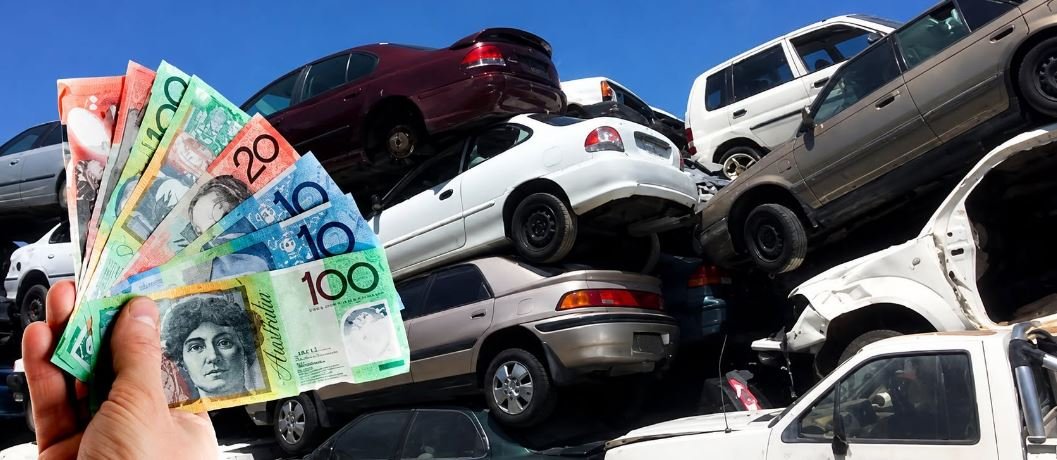
Vehicle recycling helps reduce waste while supporting sustainable resource use. Professional vehicle removal services can assess the remaining value of a vehicle and provide compensation based on its condition and recyclable materials.
This allows owners to recover money from assets that would otherwise continue losing value.
Financial Benefits of Letting Go
Removing an unused vehicle can provide immediate and long-term financial advantages. Owners eliminate ongoing maintenance expenses, free up valuable space, reduce environmental risks, and avoid future repair costs.
In many cases, the money received from vehicle removal can be used toward a replacement vehicle, home improvements, savings goals, or other priorities. Rather than continuing to absorb costs, owners can turn an unused asset into a practical financial opportunity.
Many vehicle owners also work with a trusted demolition scrap buyer in Perth when dealing with severely damaged, accident-affected, or end-of-life vehicles. These services help ensure that recyclable materials are recovered responsibly while providing owners with a convenient way to remove unwanted vehicles from their property.
Conclusion
Keeping an unused vehicle may seem harmless, but the hidden costs can add up quickly. Depreciation, maintenance expenses, storage limitations, environmental concerns, insurance costs, and safety risks all contribute to the financial burden of holding onto a vehicle that no longer serves a purpose.
By evaluating the true cost of ownership and considering responsible disposal options, vehicle owners can avoid unnecessary expenses and make better use of their space and resources. In many cases, letting go of an unused vehicle is not only the most practical decision but also the most financially rewarding one.





Post Comment