How to Become a Van Courier?
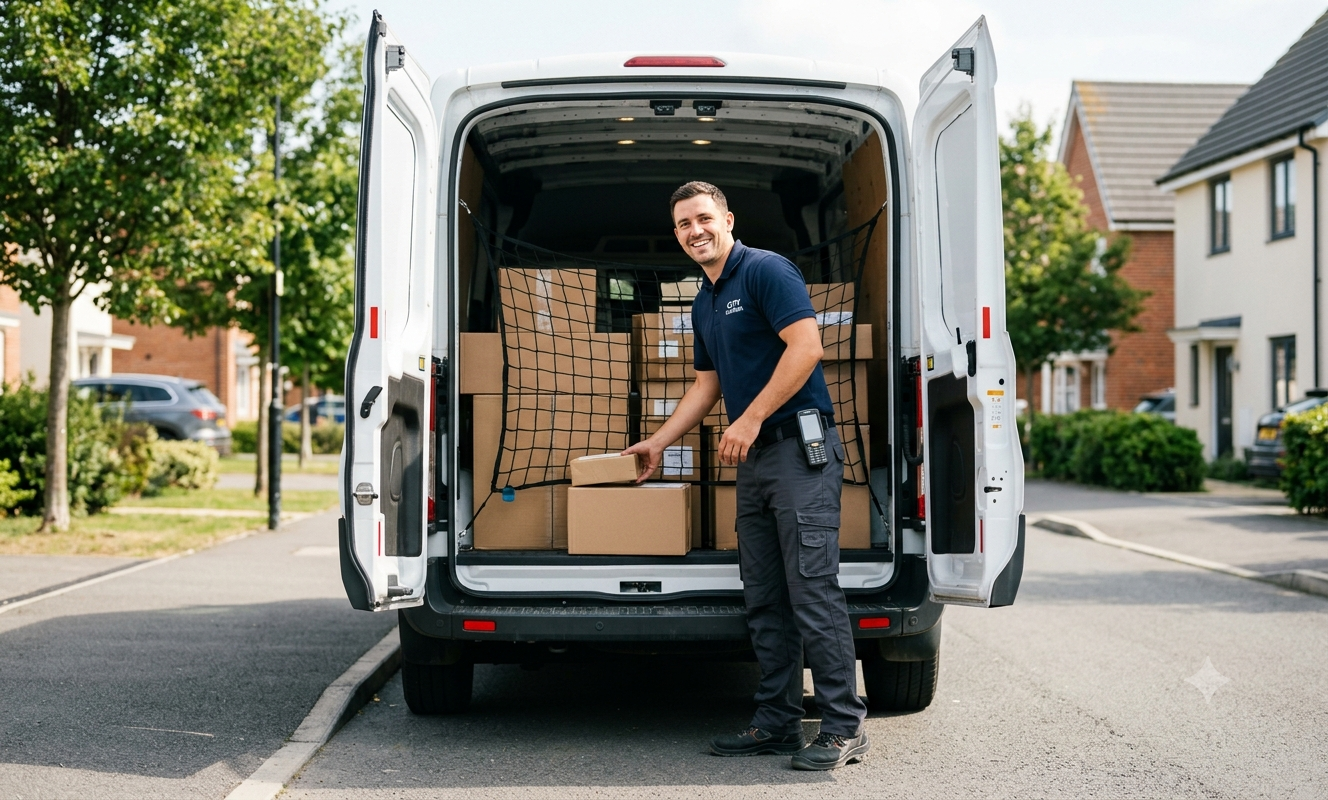
How to become a van courier? It is a question many people ask when looking for a flexible career in the transport and logistics sector. With the continued growth of e-commerce, same-day delivery services, and local van deliveries, demand for reliable courier drivers has increased significantly across the UK. Whether you want to work independently, join a courier company, or build your own delivery business, becoming a van courier can provide a rewarding opportunity with strong earning potential.
The courier industry plays a vital role in keeping businesses, retailers, and customers connected. From parcel delivery and last-mile logistics to urgent same-day transport services, van couriers are essential to modern supply chains. Understanding the requirements, responsibilities, and business opportunities can help you enter the industry successfully and build a sustainable career.
Table of Contents
- What Is a Van Courier?
- How to Become a Van Courier?
- Essential Requirements for Van Couriers
- Choosing the Right Vehicle
- Obtaining Insurance and Legal Compliance
- Finding Courier Work
- Skills Needed to Succeed as a Van Courier
- How Much Can a Van Courier Earn?
- Starting Your Own Courier Business
- Common Challenges and How to Overcome Them
- Tips for Long-Term Success
- Conclusion
What Is a Van Courier?
A van courier is a professional driver responsible for collecting, transporting, and delivering parcels, documents, packages, and goods to customers and businesses.
Courier services differ from traditional freight transport because they often involve:
- Time-sensitive deliveries
- Same-day delivery services
- Multi-drop routes
- Last-mile logistics
- Business-to-business deliveries
- Residential parcel distribution
Modern courier operations rely on technology, route optimisation, customer communication, and efficient vehicle management to meet growing delivery demands.
How to Become a Van Courier?
Understanding how to become a van courier? starts with meeting the basic requirements and preparing for the realities of daily delivery work.
Most courier drivers follow these steps:
Meet Driving Licence Requirements
You will generally need:
- A full UK driving licence
- Good driving record
- Minimum age requirements set by employers
- Legal right to work in the UK
Many courier companies conduct driving history checks before hiring drivers.
Gain Driving Experience
Although some companies hire beginners, having experience driving vans or commercial vehicles can improve employment opportunities.
Experience in:
- Delivery driving
- Transport operations
- Customer service
- Route planning
can make you a stronger candidate.
Decide Between Employment and Self-Employment
Many courier drivers choose one of two routes:
Employed Courier Driver
- Fixed salary or hourly rate
- Company vehicle may be provided
- Insurance often included
- Less administrative responsibility
Self-Employed Owner Driver
- Greater earning potential
- Flexible working hours
- More control over workload
- Responsible for vehicle costs and insurance
Essential Requirements for Van Couriers
Driving Skills
Safe and efficient driving is fundamental in courier work.
Drivers should be comfortable with:
- Urban driving
- Motorway driving
- Rural routes
- Heavy traffic conditions
- Navigation systems
Physical Fitness
Courier work can be physically demanding.
Daily responsibilities may include:
- Loading parcels
- Carrying packages
- Frequent vehicle entry and exit
- Long working hours
Maintaining good physical health can improve productivity and reduce fatigue.
Customer Service Skills
A courier often represents the company during customer interactions.
Professional communication helps build trust and encourages repeat business.
Key qualities include:
- Politeness
- Reliability
- Professional appearance
- Problem-solving ability
Choosing the Right Vehicle
Why Vehicle Selection Matters
One of the most important aspects of how to become a van courier? is selecting the appropriate vehicle.
Your van directly impacts:
- Operating costs
- Fuel efficiency
- Delivery capacity
- Reliability
- Profitability
Popular Courier Vans
Common choices include:
- Medium panel vans
- Large panel vans
- Compact delivery vans
- Electric delivery vans
Factors to consider:
- Payload capacity
- Fuel economy
- Maintenance costs
- Cargo space
- Insurance premiums
Vehicle Maintenance
Regular maintenance helps prevent breakdowns and costly delays.
A professional courier should routinely check:
- Tyres
- Brakes
- Oil levels
- Lights
- Battery condition
Reliable vehicles support consistent service quality.
Obtaining Insurance and Legal Compliance
Courier Insurance
Standard vehicle insurance is usually not sufficient for courier operations.
Most drivers require:
- Hire and reward insurance
- Goods in transit insurance
- Public liability insurance
These policies provide protection while carrying customer goods.
Vehicle Tax and MOT
Ensure your vehicle remains fully compliant with legal requirements, including:
- Road tax
- MOT certification
- Vehicle servicing schedules
Business Registration
Self-employed couriers may need to:
- Register as self-employed
- Maintain tax records
- Submit annual returns
- Track business expenses
Proper administration helps maintain compliance and profitability.
Finding Courier Work
Join Established Courier Companies
Many new drivers begin by working with established courier firms.
Benefits include:
- Regular work opportunities
- Route assignments
- Operational support
- Industry experience
Large delivery networks often recruit drivers throughout the year.
Work with Logistics Providers
Transport and logistics providers regularly require:
- Same-day couriers
- Multi-drop drivers
- Dedicated delivery services
- Contract drivers
Building relationships with logistics companies can generate consistent work.
Online Courier Platforms
Digital freight and courier marketplaces can connect drivers with customers.
These platforms often allow:
- Flexible schedules
- Job selection
- Route management
- Electronic proof of delivery
Skills Needed to Succeed as a Van Courier
Route Planning
Efficient route planning improves:
- Delivery speed
- Fuel consumption
- Customer satisfaction
Using GPS technology and traffic monitoring tools can significantly improve performance.
Time Management
Successful couriers understand the importance of deadlines.
Strong time management helps:
- Complete more deliveries
- Reduce delays
- Improve customer experience
Organisation
Daily courier operations involve:
- Delivery schedules
- Customer instructions
- Proof-of-delivery records
- Vehicle inspections
Organisation helps ensure smooth operations.
Problem Solving
Unexpected situations occur regularly, including:
- Traffic congestion
- Road closures
- Customer availability issues
- Weather disruptions
Adaptability is a valuable skill in courier work.
How Much Can a Van Courier Earn?
Factors Affecting Income
Courier earnings vary depending on:
- Location
- Experience
- Vehicle size
- Delivery volume
- Employment status
Self-employed drivers often have higher earning potential but also face greater operational costs.
Opportunities for Growth
As experience grows, many couriers expand into:
- Dedicated contract delivery
- Medical courier services
- Same-day logistics
- Business transport solutions
- Multi-vehicle operations
Specialised services can command higher rates and stronger margins.
Starting Your Own Courier Business
Develop a Business Plan
If your goal extends beyond driving, understanding how to become a van courier? can eventually lead to operating your own delivery company.
A business plan should include:
- Target market
- Service areas
- Pricing strategy
- Vehicle costs
- Marketing approach
Build a Professional Brand
Customers prefer working with trustworthy transport providers.
Key branding elements include:
- Professional website
- Company logo
- Branded vehicle graphics
- Business contact details
Focus on Customer Satisfaction
Strong customer service generates:
- Positive reviews
- Repeat customers
- Referrals
- Long-term contracts
Reliability remains one of the most important competitive advantages in the courier sector.
Common Challenges and How to Overcome Them
Rising Fuel Costs
Fuel represents a major operational expense.
Reduce costs through:
- Efficient route planning
- Vehicle maintenance
- Eco-driving techniques
Traffic Delays
Traffic congestion can impact delivery schedules.
Strategies include:
- Early route planning
- Live traffic monitoring
- Alternative route selection
Seasonal Demand Fluctuations
Demand often increases during:
- Holiday periods
- Retail sales events
- E-commerce peaks
Planning resources effectively can help maximise earning opportunities.
Tips for Long-Term Success
Invest in Technology
Modern courier businesses use:
- Route optimisation software
- Delivery tracking systems
- Electronic proof-of-delivery tools
- Customer communication platforms
Technology improves efficiency and customer satisfaction.
Maintain Professional Standards
Consistent professionalism helps secure long-term contracts.
Best practices include:
- Clean vehicles
- Prompt communication
- Accurate delivery records
- Reliable service
Build Industry Relationships
Networking with:
- Logistics providers
- Retailers
- Warehousing companies
- Transport managers
can create valuable business opportunities over time.
Focus on Reliability
Customers consistently value:
- On-time deliveries
- Safe transport
- Professional service
- Responsive communication
Reliability often becomes the deciding factor when businesses choose courier partners.
Conclusion
If you are wondering how to become a van courier?, the process is straightforward but requires commitment, professionalism, and strong organisational skills. From obtaining the right licence and insurance to choosing the correct vehicle and securing delivery contracts, every step contributes to long-term success in the courier industry.
The growing demand for delivery services continues to create opportunities for both employed drivers and self-employed owner-drivers. By focusing on customer satisfaction, operational efficiency, and dependable service, you can build a rewarding career and potentially grow your own logistics business.
For businesses seeking dependable transport support, partnering with experienced courier providers and established Fleet networks ensures efficient deliveries, improved reliability, and greater customer satisfaction across every stage of the supply chain.




Post Comment