Fleet Management Software for Real-Time Vehicle Tracking
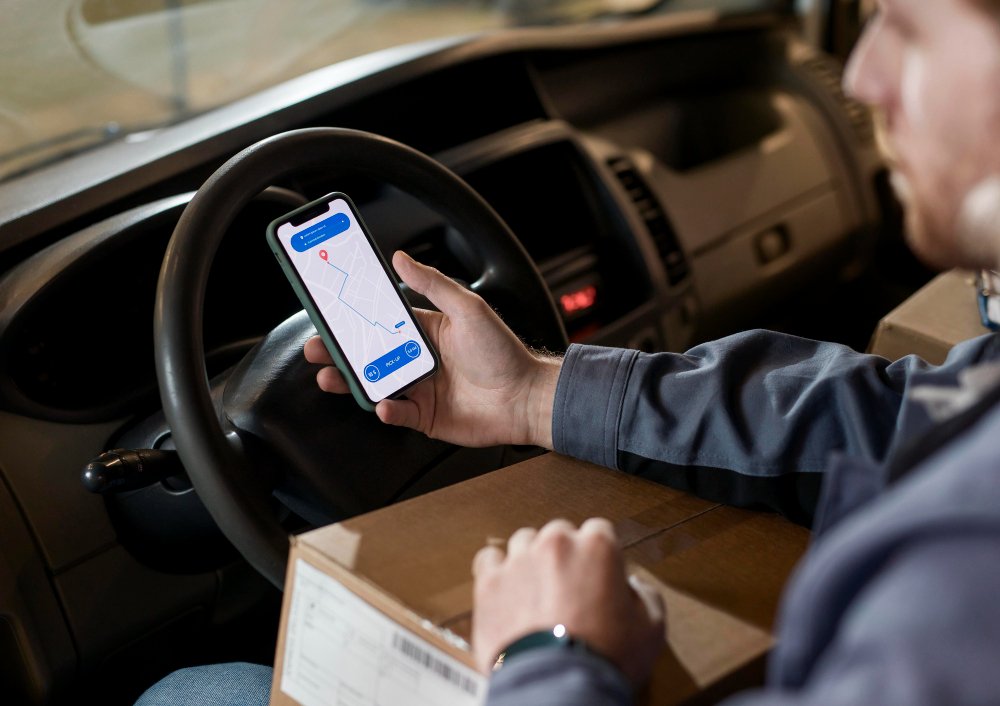
Running a fleet today is not just about moving vehicles from one place to another. Businesses need complete visibility, faster decision-making, and better control over operations. Whether you’re managing delivery vans, logistics trucks, or service vehicles, knowing where your vehicles are at all times has become critical.
This is where Fleet Management Software for real-time vehicle tracking plays a crucial role. Instead of relying on manual updates or phone calls, businesses can track every vehicle in real time, optimize routes instantly, and respond to issues before they become problems.
In this guide, we’ll break down what fleet management software for real-time tracking is, how it works, its key features, benefits, and how different industries use it daily.
What is Fleet Management Software for Real-Time Vehicle Tracking?
A fleet management system is a digital platform that allows businesses to monitor and manage their fleet using GPS and cloud-based technology. One of its most powerful capabilities is real-time vehicle tracking, which gives instant visibility into vehicle location, movement, and status.
It combines tools like live GPS tracking, route monitoring, alerts, analytics, and reporting into a single system.
At its core, the goal is simple:
Provide complete visibility and control over fleet operations in real time.
Instead of reacting to delays or issues after they occur, businesses can take proactive steps to improve efficiency instantly.
Key Features of Fleet Management Software for Real-Time Tracking
Real-Time Vehicle Tracking
Real-time tracking allows businesses to monitor the exact location of every vehicle at any moment. Fleet managers can view live movements on a map, track routes, and get instant updates. This eliminates guesswork and ensures better coordination between teams.
Route Optimization
Route optimization helps drivers follow the most efficient paths by analyzing traffic, distance, and delivery points. This reduces delays, saves fuel, and ensures faster deliveries.
Geo-Fencing Alerts
Geo-fencing enables businesses to set virtual boundaries on maps. When a vehicle enters or exits a specific area, the system sends alerts. This is useful for monitoring deliveries, warehouses, and restricted zones.
Driver Behavior Monitoring
The software tracks driving habits such as speed, braking, and idling. This helps improve safety, reduce accidents, and promote responsible driving practices.
Fuel Monitoring
Fuel tracking provides insights into fuel consumption and detects unusual patterns. This helps businesses control fuel expenses and prevent misuse.
Trip History and Playback
Fleet managers can review past trips and routes taken by vehicles. This helps identify inefficiencies and improve planning for future operations.
Alerts and Notifications
Instant alerts for over-speeding, route deviation, or unauthorized stops help businesses take immediate action and avoid disruptions.
Reporting and Analytics
Detailed reports provide insights into performance, fuel usage, driver behavior, and operational efficiency. These insights support better decision-making.
Benefits of Fleet Management Software for Real-Time Tracking
Improved Operational Efficiency
With real-time visibility, businesses can streamline their daily operations and reduce unnecessary delays. It helps improve coordination between drivers and managers by providing instant updates. As a result, tasks are completed faster and overall efficiency increases.
Cost Reduction
Optimized routes and better fuel monitoring help businesses significantly reduce operational expenses. The software also supports preventive maintenance, which lowers the chances of costly repairs. Over time, these savings make a big impact on overall profitability.
Enhanced Customer Satisfaction
Real-time tracking allows businesses to provide accurate delivery updates to customers. With E-commerce Delivery Management Software, this level of transparency builds trust, improves the overall customer experience, and helps strengthen long-term customer relationships through timely deliveries.
Better Security and Theft Prevention
Live vehicle tracking ensures that every movement is monitored closely. In case of theft or unauthorized usage, businesses can take quick action and recover vehicles faster. This adds an extra layer of security to fleet operations.
Increased Productivity
With better route planning and reduced idle time, drivers can complete more tasks within the same timeframe. This improves overall fleet productivity without increasing resources. Efficient operations lead to better output and performance.
Faster Decision Making
Access to real-time data enables businesses to respond quickly to unexpected situations, such as traffic delays or route changes. Managers can make informed decisions instantly without waiting for manual updates. This improves responsiveness and operational control.
Use Cases of Real-Time Fleet Tracking
Logistics and Transportation
Logistics companies use real-time tracking to monitor shipments and manage fleet movement across long distances. It helps optimize routes and reduce delays during transit. This ensures timely deliveries and improves overall operational efficiency.
E-commerce and Last-Mile Delivery
For e-commerce businesses, timely delivery is critical to customer satisfaction. Fleet management software helps manage multiple deliveries, provide real-time tracking updates, and improve last-mile efficiency. This results in faster deliveries and better customer experience.
Field Service Businesses
Service-based companies use real-time tracking to assign jobs and monitor technician locations. It ensures that the nearest available resource is assigned to a task quickly. This improves service speed and enhances customer satisfaction.
Construction and Equipment Management
Construction companies track both vehicles and heavy equipment to monitor usage and prevent misuse. Real-time tracking also helps in scheduling maintenance and reducing downtime. This leads to better asset utilization and cost control.
Food and Delivery Services
Food delivery businesses rely on real-time tracking to ensure quick and accurate deliveries. It helps optimize routes and reduce delivery time, ensuring food reaches customers fresh. This plays a key role in maintaining service quality and customer trust.
Best Practices for Using Fleet Management Software
- Install reliable GPS devices in all vehicles for accurate real-time tracking
- Train drivers and staff to use the software effectively
- Regularly monitor vehicle movement and performance data
- Use route optimization to reduce travel time and fuel consumption
- Set up geo-fencing to track entry and exit of important locations
- Analyze reports and insights to improve decision-making
- Monitor driver behavior to promote safe driving habits
- Schedule regular vehicle maintenance through the system
- Integrate the software with other business tools (ERP, CRM, etc.)
- Set up alerts and notifications for quick response to issues
- Continuously review and optimize fleet operations based on data
Conclusion
In today’s fast-moving business environment, real-time visibility is no longer optional; it’s essential. Fleet Management Software for real-time vehicle tracking helps businesses gain complete control over their fleet, reduce costs, and improve efficiency.
By providing live tracking, smart insights, and enhanced coordination, it transforms the way fleet operations are managed. Whether you’re running a logistics company, an e-commerce business, or a service-based operation, adopting the right fleet management solution can give you a strong competitive advantage.
If you want to improve productivity, enhance customer satisfaction, and scale your operations smoothly, investing in fleet management software is the right step forward.





Post Comment