Permits, Safety, and Debris Removal: What DFW Demolition Services Handle for You
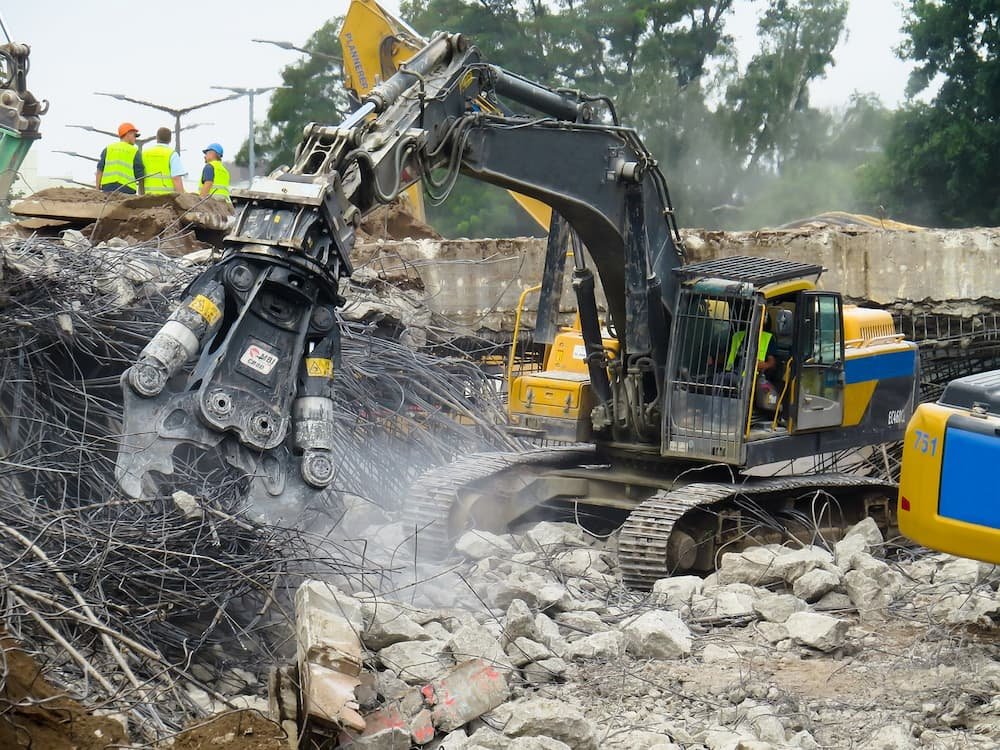
Demolition involves much more than removing an unwanted structure with heavy equipment. Before work begins, property owners may need to address permits, utility disconnections, site protection, safety planning, and debris management. Professional dfw demolition services can help organize these steps so the project moves from preparation to final cleanup in a controlled manner. Requirements can vary between municipalities across the Dallas-Fort Worth region, so understanding the process is important. A properly planned demolition can leave the property safer, cleaner, and ready for its next stage of development.
Understanding Demolition Permits
Permits are an important part of many demolition projects, but the exact requirements depend on the property’s location and the type of work being performed. For example, the City of Fort Worth states that removing a building from residential property requires a demolition or razing permit. Dallas also maintains specific demolition permit requirements covering documentation, demolition methods, site management, and completion conditions. Property owners should therefore confirm the rules that apply to their particular address before scheduling demolition.
A professional contractor can help identify the paperwork and preparation needed for a project, although property owners should understand what is included in their agreement. Dallas’s current demolition checklist includes items such as utility notifications, site erosion control, tree surveys where applicable, and possible barricade requirements near public rights-of-way. A demolition permit may also be separate from other permits that could be necessary for related activities. Understanding these requirements early can prevent avoidable scheduling problems.
Utility Disconnection and Pre-Demolition Preparation
Utility coordination should take place before structural demolition begins. Electricity, gas, water, telecommunications, and other services can create serious hazards if they remain active while crews are removing walls, roofs, foundations, or other structural components. Texas safety guidance recommends locating and securing or disconnecting utilities before demolition begins. Property owners should clarify which party is responsible for contacting utility providers and providing confirmation to the demolition contractor.
Pre-demolition preparation can also involve assessing the building’s condition and identifying materials that require special handling. A competent person should evaluate the structure and consider its age, construction type, previous use, surrounding buildings, and the planned sequence of removal. This information helps the crew understand potential structural hazards before equipment begins operating. Proper preparation is particularly important for older buildings or structures that have experienced fire, water damage, neglect, or other deterioration.
Safety Measures During Demolition
Safety is one of the most important responsibilities handled during a professional demolition project. Demolition sites can contain unstable structural components, falling materials, exposed utilities, dust, sharp metal, and other hazards that require controlled procedures. Texas Department of Insurance guidance recommends written engineering surveys, utility isolation, hazardous-material controls, emergency planning, barriers, and appropriate personal protective equipment. These measures help workers and nearby people remain protected while the structure is dismantled.
The demolition method should also match the building and surrounding conditions. Dallas’s demolition requirements identify methods including top-down deconstruction, wrecking balls, and mechanized equipment such as high-reach excavators and track machines. The appropriate technique depends on the structure, available space, nearby property, and project objectives. Experienced operators can select equipment and removal sequences that provide better control instead of treating every structure the same way.
Hazardous Materials and Environmental Concerns
Older structures may contain materials that require special assessment or handling before demolition. Asbestos is one example that can require specific procedures and notifications, while lead, silica-containing materials, chemicals, and other substances can create additional concerns. Texas safety guidance identifies asbestos, lead, respirable crystalline silica, and certain industrial substances among hazards that may require task-specific controls. Property owners should discuss the building’s age and previous use with qualified professionals before work begins.
Dallas’s demolition permit documentation can also require an asbestos survey conducted under applicable Texas rules for areas being renovated or demolished. The exact requirements depend on the project and applicable regulations, so a contractor should not assume that every property follows the same procedure. Identifying potential hazardous materials before demolition allows the project team to plan appropriate handling instead of discovering unexpected issues during structural removal.
Debris Removal and Disposal
Every demolition project creates debris, and responsible material management is a major part of the work. Depending on the structure, debris can include concrete, wood, metal, roofing materials, drywall, fixtures, insulation, and other construction components. Professional crews may separate materials for recycling, reuse, processing, or disposal according to their type and applicable requirements. A clear debris plan also keeps the work area organized and reduces the chance of loose material affecting nearby roads or properties.
Dallas building requirements specifically address the removal of demolition material, rubbish, and debris from the site and require contractors to follow applicable laws, approved routes, disposal locations, and precautions. The rules also require attention to keeping adjacent streets, alleys, and public ways clear of loose material. Property owners should ask whether hauling and disposal are included in their demolition estimate so the final project cost and responsibilities are clearly understood.
Final Cleanup and Site Condition
Debris removal is only one part of completing a demolition project. Once the structure has been removed, the remaining area may need cleanup and preparation according to the project’s agreed scope. Dallas requirements state that a completed demolition site should be left blade clean and that certain holes, excavations, basements, and voids resulting from demolition should be filled, leveled, compacted, and smoothed, subject to the stated exception for imminent new construction.
The required final condition should be discussed before demolition begins. Some property owners need a basic cleared lot, while others are preparing immediately for excavation, grading, landscaping, or new construction. Defining the handoff condition allows the demolition contractor and the next construction team to coordinate more effectively. If additional grading or earthwork is required, those services can be planned as a separate phase or incorporated into a broader site-preparation scope when appropriate.
How Land Clearing Fits Into Demolition Projects
Demolition sometimes occurs on properties that also contain overgrown vegetation, trees, stumps, brush, old fencing, or other obstacles. In these situations, land clearing dfw tx services may complement structural demolition and help create a more accessible development site. Clearing can be scheduled before or after demolition depending on equipment access, safety considerations, and the property’s future design. The contractor should clearly identify which natural features will be removed and which should remain.
Combining demolition and land clearing can be particularly useful when an entire property is being redeveloped. Removing an unwanted structure while addressing surrounding vegetation can create a cleaner transition into grading or excavation. However, the two scopes should still be clearly defined in the project agreement. This allows the property owner to understand what is included in structural demolition, what belongs to land clearing, and whether additional site preparation will be required.
Choosing a Professional Demolition Contractor
When selecting a demolition contractor, property owners should look beyond the basic price. Experience, safety practices, equipment, permit knowledge, utility coordination, debris management, insurance, and communication all deserve attention. A detailed written proposal should explain what will be demolished, how materials will be handled, what cleanup is included, and what condition the site will have at completion. Asking these questions before signing an agreement can reduce misunderstandings and unexpected costs.
Professional dfw demolition services can take much of the complexity out of a demolition project by coordinating the major stages from preparation through cleanup. Permits and local requirements still need to be verified for the specific property, but an experienced contractor can help organize the work and explain the responsibilities involved. With proper safety planning, utility coordination, responsible debris removal, and clear site-completion expectations, demolition becomes a more structured process. Careful preparation ultimately creates a safer work environment and a better starting point for the property’s next use.





Post Comment