Graffiti and Paint Removal in Dallas: What Property Owners Should Know
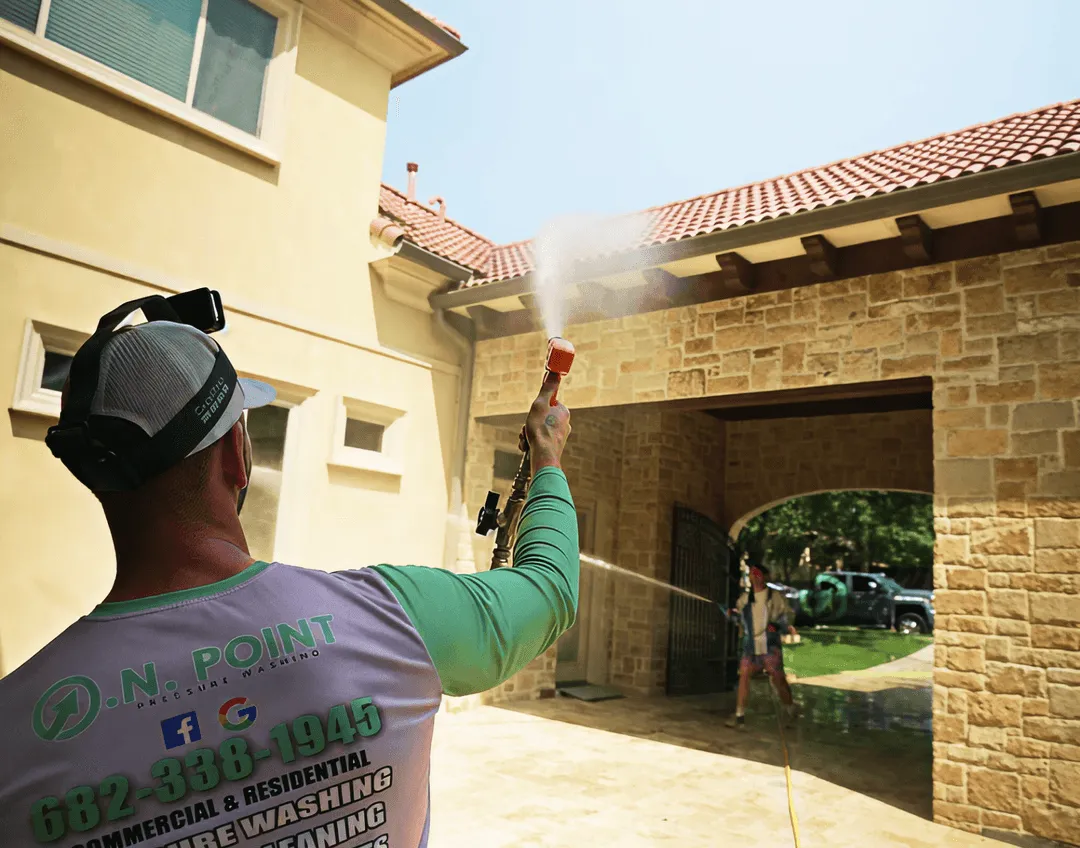
Graffiti and unwanted paint can appear on walls, fences, concrete, signs, storefronts, and other surfaces with little warning. For a property owner, removing it quickly can be important because the longer paint remains on a surface, the more difficult it may become to clean. At the same time, aggressive removal methods can damage the material underneath the paint. Graffiti and paint removal in Dallas requires more than simply spraying a wall with high-pressure water. The surface, paint type, age of the graffiti, and surrounding area should all be considered before cleaning begins.
Why Graffiti Can Be Difficult to Remove
Graffiti can be made with spray paint, markers, coatings, or other materials that bond differently to surfaces. Concrete is porous, which means paint can settle into its texture instead of remaining only on the surface. Brick and stone can have similar challenges because their uneven surfaces contain small spaces where paint can collect.
Graffiti and paint removal in Dallas can involve pressure washing, cleaning solutions, or a combination of methods depending on the surface and type of paint. The objective is to remove the unwanted coating while protecting the material underneath. A professional assessment before cleaning can help determine which approach is appropriate.
Why Quick Removal Is Often Better
Leaving graffiti on a property can create a bigger cleaning challenge over time. Sunlight, rain, dust, and other weather conditions can affect the paint and the surface around it. New graffiti may also appear in the same location if an existing tag remains visible.
Quick removal does not guarantee that every stain will disappear completely, especially on porous materials, but it can make the process easier. Prompt cleaning also helps property owners return walls, signs, fences, and other areas to a more presentable condition without allowing the problem to become part of the property’s appearance.
Different Surfaces Need Different Methods
A concrete wall can usually tolerate a different cleaning approach than painted metal, wood, brick, or decorative stone. Using one pressure setting on every surface can lead to unnecessary damage. For example, aggressive pressure may remove paint but also leave marks in softer materials.
The cleaning professional should identify the material before starting. The age and condition of the surface are also important. An older wall with existing cracks or loose paint may require a gentler process than a newer, solid concrete surface.
Pressure Washing and Cleaning Solutions
Pressure washing can be effective for graffiti removal when used correctly. Water pressure can help lift paint from hard surfaces, while cleaning agents may help break down certain coatings before rinsing. The exact process depends on what is being removed.
Cleaning solutions should be selected carefully. A product that works well on one material may discolor or damage another. It is also important to protect nearby landscaping, doors, windows, vehicles, and other surfaces from overspray or runoff during the cleaning process.
Removing Paint From Concrete
Concrete is a common surface for unwanted paint because walls, sidewalks, curbs, parking structures, and other concrete features are often accessible. Its porous texture, however, can make complete removal more challenging.
A professional may begin with a test area to see how the paint responds. This allows the cleaning method to be adjusted before treating the entire surface. In some cases, several cleaning passes may be necessary. The goal is to remove as much paint as possible without creating a larger problem through excessive pressure.
Graffiti on Brick and Masonry
Brick and masonry require particular care because they can be more sensitive to aggressive cleaning. Mortar joints can be affected by excessive pressure, and older brick may already have weakened areas. Removing graffiti too aggressively can leave visible damage that is harder to repair than the original paint.
For masonry surfaces, controlled cleaning is often preferable to simply increasing the pressure. A professional may combine an appropriate cleaning solution with moderate pressure and repeated passes. Testing a small hidden area first can help confirm that the method is suitable.
Protecting Nearby Areas During Cleaning
Graffiti removal does not happen in isolation. Walls may be located near landscaping, sidewalks, parked vehicles, windows, doors, or neighboring properties. Before cleaning begins, these areas should be considered and protected where necessary.
Water and cleaning solutions can travel beyond the area being treated if the work is not controlled. Covering or moving vulnerable items and managing runoff can help reduce the chance of accidental damage. Good preparation is an important part of responsible exterior cleaning.
Preventing Future Graffiti
After graffiti has been removed, property owners can take steps to make future incidents easier to manage. Better lighting, cameras, fencing, and regular property inspections may discourage unwanted activity. In some situations, an appropriate protective coating can also make future graffiti easier to remove.
A coating should be selected based on the surface and expected conditions. Property owners should also remember that prevention is not always perfect. Regular inspections can still help identify new markings early so they can be addressed before they become a larger cleaning issue.
When to Hire a Professional
Small marks on a durable surface may sometimes be manageable with basic cleaning, but larger graffiti jobs can be more complicated. Professional help is especially useful when the paint covers a large area, has been present for a long time, or appears on brick, stone, painted surfaces, or other materials that could be damaged by aggressive cleaning.
Professionals also have access to commercial equipment and can adjust their approach based on the surface. Graffiti and paint removal in Dallas is most effective when the cleaning method is selected according to the material rather than simply using the strongest available pressure. This approach can help reduce the chance of surface damage while addressing the unwanted paint.
Conclusion
Graffiti can make a property look neglected, but removing it does not have to mean damaging the surface underneath. The right cleaning approach depends on the paint, the material, the age of the marking, and the condition of the area. Graffiti and paint removal in Dallas can help property owners restore walls, concrete, brick, fences, and other surfaces while taking appropriate care during the process. Prompt removal, careful cleaning, and basic prevention measures can make it easier to keep commercial and residential properties looking clean and maintained.






Post Comment