Sustainable Pre Roll Packaging: Design, Safety, and Compliance
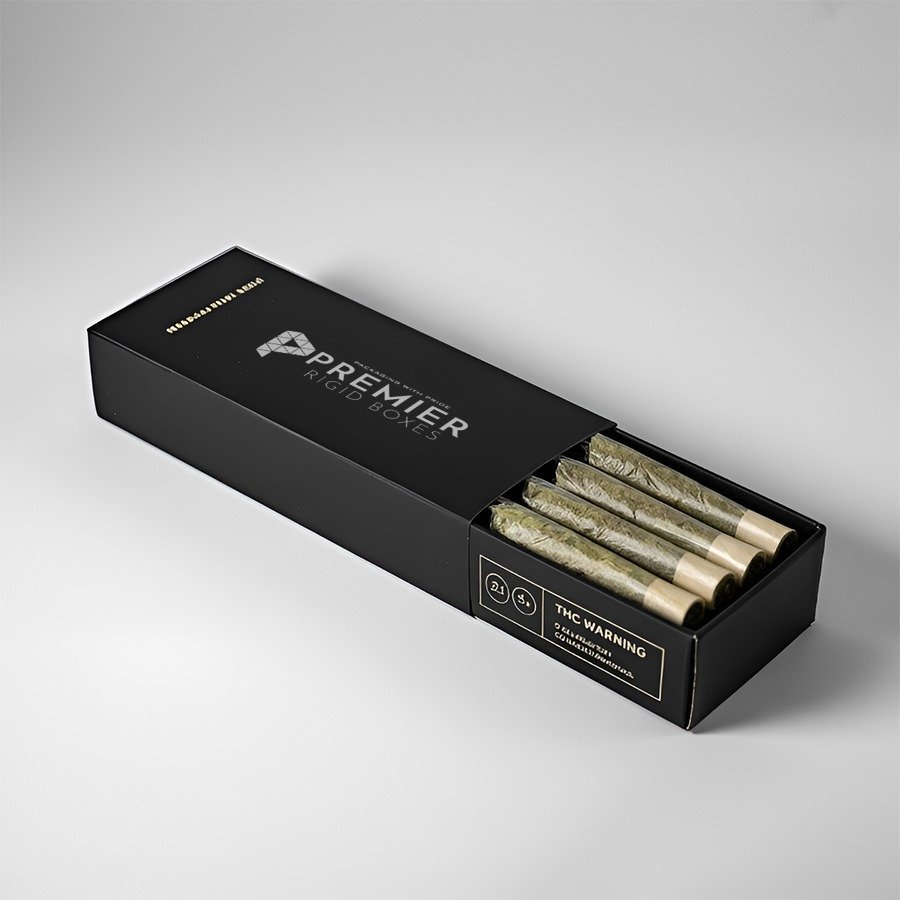
A few years ago, packaging in the cannabis space was mostly an afterthought. Get something that holds the product, slap a label on it, and move on. That’s changed a lot, and quickly. Today, the box a pre roll comes in says almost as much about a brand as what’s inside it. Customers notice the materials, the print quality, and increasingly, whether the packaging is something they feel okay throwing away or recycling.
For brands trying to navigate this space, the challenge isn’t just making something that looks good. It’s balancing design, safety regulations, and sustainability goals, all while staying within a budget that makes sense for a product that often retails for a relatively modest price. Here’s how those pieces fit together.
Why Sustainability Became Non-Negotiable
It wasn’t long ago that sustainable packaging was treated as a nice bonus, something a brand could mention if it happened to align with their values. That’s shifted. A growing share of cannabis consumers, particularly younger ones, actively factor packaging waste into their purchasing decisions. When two products are similar in quality and price, packaging can be the deciding factor.
There’s also a practical side to this. Many states have started introducing or considering packaging waste regulations specifically aimed at cannabis products, partly because the industry has historically relied so heavily on single-use plastic, child-resistant features, and excessive layering. Brands that get ahead of these requirements now tend to have an easier time adapting later, rather than scrambling when regulations tighten.
Materials That Balance Sustainability and Durability
The tricky part with pre roll packaging is that it has to do more than just look nice. It needs to protect a fragile product, often needs to be child-resistant by law, and ideally shouldn’t fall apart before it reaches the customer. Finding materials that check all these boxes while also being recyclable or compostable takes some thought.
Recycled paperboard has become one of the more popular choices, especially for outer boxes. It holds printing well, can be made sturdy enough for the rigors of shipping, and is widely recyclable in most areas. For inner packaging or tubes, some brands are moving toward plant-based plastics or biodegradable materials, though these come with trade-offs in cost and, sometimes, shelf life of the product itself.
Glass tubes have also seen a resurgence for premium product lines. They’re reusable, recyclable almost everywhere, and give off a more upscale feel. The downside is weight and shipping cost, which is why they tend to show up more in higher-priced product tiers rather than across an entire lineup.
Child-Resistant Compliance Isn’t Optional
This is one area where there’s genuinely no flexibility. Most states with legal cannabis markets require child-resistant packaging for any product containing THC, and pre rolls are no exception. The packaging needs to pass specific testing standards that demonstrate a child under a certain age can’t easily open it within a set time frame, even with repeated attempts.
The good news is that child-resistant doesn’t have to mean ugly or overly clinical looking. Mechanisms like push-and-turn caps, resalable pouches with locking mechanisms, or hinged boxes with built-in locks can all be designed in ways that still look clean and on-brand. The key is involving compliance requirements early in the design process rather than trying to retrofit them after a design is already finalized, which often leads to compromises nobody is happy with.
Labeling Requirements Vary More Than You’d Think
One of the more frustrating realities for multi-state operators is that labeling requirements aren’t standardized. What’s required on packaging in one state, things like warning symbols, THC content disclosures, batch numbers, or harvest dates, may differ in placement, size, or wording from another state’s requirements.
This means packaging design often needs to be flexible enough to accommodate different label placements or even different label inserts depending on where the product is being sold. Building this flexibility into the design from the start, rather than treating each state as a separate project, tends to save a lot of time and reprinting costs down the line.
Design Choices That Still Allow for Brand Identity
With so many compliance boxes to check, it might seem like there’s not much room left for creativity. In practice, brands that do this well find ways to let their identity shine through in the details that aren’t regulated: color choices, typography, finishes like soft-touch coatings or spot UV, and the overall shape or proportions of the packaging.
Minimalist design has worked well for a lot of cannabis brands in this space, partly because it photographs well for social media and partly because it keeps the focus on whatever branding elements the company chooses to emphasize. A clean layout with a strong logo placement often reads as more premium than packaging crowded with text and graphics, even when both meet the same compliance requirements.
Sourcing the Right Pre Roll Packaging
Once design direction, compliance needs, and sustainability goals are mapped out, the next step is finding a supplier who can actually produce packaging that checks all these boxes without compromising on any single one. This is often where brands run into friction, since not every packaging supplier has experience navigating cannabis-specific regulations like child-resistance testing or state labeling variations.
Working with suppliers who specialize in custom pre-roll packaging specifically, rather than general product packaging, tends to make this process smoother. These suppliers are usually already familiar with compliance testing requirements, have relationships with material suppliers offering recycled or biodegradable options, and can often advise on design adjustments that keep costs manageable without sacrificing the brand experience.
Testing Before Scaling Up
As with any packaging decision, samples matter. Before committing to a large production run, it’s worth testing packaging under real conditions: Does the child-resistant mechanism hold up after repeated use? Does the material protect the product during shipping and handling? Does printed text remain legible after the packaging has been handled a few times?
It’s also worth getting a few samples reviewed by someone unfamiliar with the brand, since fresh eyes often catch usability issues that internal teams miss after staring at the same design for weeks.
Final Thoughts
Sustainable pre roll packaging isn’t just about swapping plastic for paper and calling it a day. It’s a balancing act between protecting the product, meeting strict and often inconsistent regulations, and building something that still feels like a genuine extension of the brand. Done well, packaging becomes more than a compliance checkbox, it becomes part of why customers choose one brand over another, and increasingly, part of why they feel good about that choice.






Post Comment