Outside Ground Practical Ways to Improve Your Outdoor Space
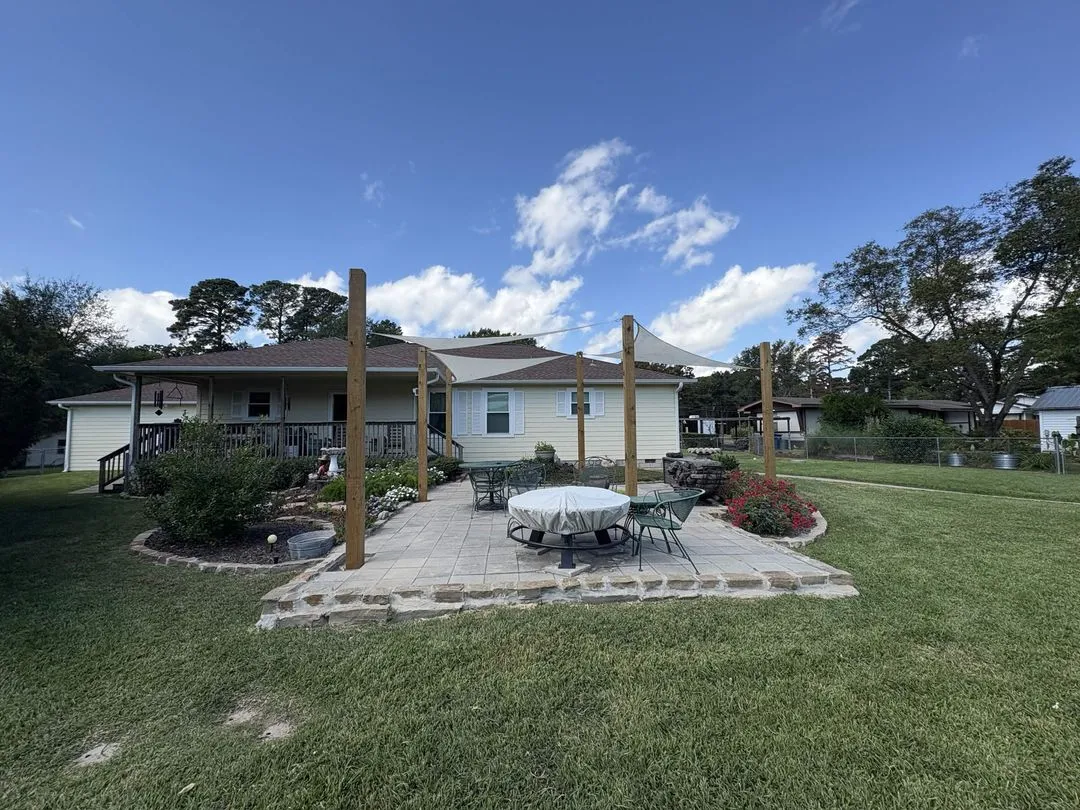
Creating a comfortable and attractive outdoor area takes more than choosing a few plants or placing outdoor furniture. A successful landscape combines practical features, suitable materials, thoughtful design, and proper maintenance. Whether you have a compact yard or a large property, the right approach can make your outdoor space more useful and inviting.
The term outside ground can refer to the outdoor surfaces and areas surrounding a property, including lawns, patios, pathways, planting beds, and other landscape features. These areas often face changing weather, regular foot traffic, drainage challenges, and general wear. Planning them carefully helps improve both appearance and everyday function.
Why Outdoor Ground Design Matters
The outside ground around your home creates the foundation for many outdoor activities. An uneven, poorly drained, or neglected area can quickly become difficult to use. Water may collect after rain, grass can become damaged, and pathways may develop cracks or loose sections.
A well-designed outdoor area solves these issues while adding visual appeal. It can provide space for relaxing, entertaining guests, playing with children, gardening, or enjoying meals outdoors.
Good planning also helps connect different parts of the property. A pathway can lead from the driveway to the front door, while a patio can create a natural transition between the house and garden.
Key Elements of a Well-Planned Outdoor Space
Several features can work together to create a balanced landscape. The best choices depend on the property’s size, climate, soil conditions, budget, and intended use.
- Lawns and planting areas: Grass, shrubs, flowers, and trees add texture and natural color.
- Patios and seating areas: Hard surfaces create stable spaces for furniture, dining, and entertainment.
- Walkways: Paths improve movement through the yard while protecting lawn and planting beds from foot traffic.
- Drainage solutions: Proper grading and drainage channels help move excess water away from structures and usable areas.
- Retaining features: Retaining walls can help manage slopes and create defined planting or activity zones.
- Lighting: Outdoor lighting improves visibility and can highlight pathways, plants, architectural features, and gathering spaces.
Combining these elements thoughtfully can make a yard feel organized without making it appear overly structured.
Choosing the Right Surface Materials
Surface materials play an important role in the performance and appearance of outdoor areas. Different materials offer different levels of durability, maintenance, cost, and visual appeal.
Concrete provides a practical and versatile option for patios and walkways. Pavers offer more design flexibility because they come in different sizes, shapes, textures, and patterns. Natural stone can provide a distinctive appearance, although installation and material costs may be higher.
Gravel can work well for informal paths and certain seating areas. It is relatively simple to install, but it may shift over time and require occasional replenishment.
Artificial turf can also provide a consistent green appearance without the mowing demands associated with natural grass. It may work particularly well in areas where maintaining a traditional lawn is difficult.
When selecting materials, consider how the surface will be used. A pathway that receives frequent foot traffic needs different characteristics from a decorative garden area.
Improving Drainage and Ground Conditions
Water management should be considered before installing new landscape features. Poor drainage can damage plants, create muddy areas, stain hardscaping, and allow water to collect near the home’s foundation.
Start by observing how water moves across the property during and after rainfall. Low areas may need grading, drainage channels, or other solutions to direct water toward an appropriate outlet.
Soil conditions also affect landscape performance. Compacted soil can restrict root growth and reduce water absorption. Depending on the site, improving the soil with suitable organic material may help plants establish more successfully.
Before installing a patio, walkway, or other hardscape, prepare the base correctly. A stable, well-compacted foundation reduces the risk of settling, shifting, and uneven surfaces later.
Creating Functional Outdoor Zones
An effective landscape often divides the yard into several practical zones. Instead of treating the entire property as one open area, consider how each section will be used.
For example, one area could serve as a dining space, another could accommodate a fire pit or lounge furniture, and a separate section could contain lawn and planting beds.
The layout should also account for movement. Leave enough room around furniture, grills, doors, and pathways so people can move comfortably.
Visual connections matter as well. Similar materials, plant selections, or colors can help different zones feel like part of one cohesive design.
Making the Outdoor Ground Easier to Maintain
Outdoor areas require ongoing care, but thoughtful planning can reduce unnecessary maintenance. Choose plants that suit the local climate and the amount of sunlight available.
Avoid placing plants where their mature size will interfere with walkways, walls, fences, or utility equipment. Giving plants enough space from the beginning can reduce pruning requirements later.
Hardscape surfaces should also receive regular attention. Sweep patios and paths, remove weeds from joints, inspect edges, and address cracks or loose materials before minor problems become larger repairs.
For lawns, appropriate mowing, watering, aeration, and seasonal care can help maintain healthy growth. However, maintenance requirements vary according to grass type and local weather conditions.
Common Mistakes to Avoid
Many outdoor projects become more expensive because homeowners address problems after installation instead of planning for them beforehand.
One common mistake involves choosing materials based only on appearance. A beautiful surface may not perform well under heavy traffic, intense sunlight, freezing conditions, or frequent moisture.
Another mistake is ignoring drainage. Even an attractive patio or planting bed can become a problem if water has nowhere to go.
Poor measurements can also create difficulties. Before purchasing materials, calculate the area carefully and account for edges, cuts, transitions, and waste.
It is equally important not to overcrowd the landscape. Too many plants, structures, or decorative features can make a yard feel smaller and harder to maintain.
Practical Ways to Upgrade Your Outdoor Area
You do not always need a complete landscape renovation to improve your property. Small, targeted changes can make a noticeable difference.
Consider replacing a worn pathway with durable pavers, creating a defined seating area, or adding planting beds around existing lawn space. Outdoor lighting can improve both usability and nighttime appearance.
If the outside ground has become uneven or difficult to maintain, start by identifying the underlying problem. Correcting drainage, improving grading, replacing damaged surfaces, or addressing compacted soil may provide better long-term results than simply covering the visible issue.
For larger projects, develop the layout before beginning installation. Mark proposed patios, paths, planting beds, and structures on the ground so you can evaluate proportions and circulation.
Planning for Long-Term Value
Outdoor improvements should provide value beyond their initial appearance. Durable materials, proper installation, and manageable maintenance can help a landscape remain attractive for years.
Think about how the property may be used in the future. A family may need more lawn space, while another household may prefer a larger entertainment area or additional garden beds.
Climate should also influence decisions. Select plants and materials that can handle local weather conditions instead of choosing options that require constant replacement or intensive care.
A thoughtful landscape can improve everyday enjoyment while also contributing to the property’s overall presentation.
Conclusion
A successful outdoor area starts with understanding how the space needs to function. From drainage and soil preparation to surface materials, planting, lighting, and outdoor living zones, each component should support the others.
When improving the outside ground, focus on durability, safety, drainage, usability, and maintenance rather than appearance alone. With careful planning and suitable materials, even a basic yard can become a comfortable, practical, and attractive extension of the home.


Post Comment