How Is Funeral Transport Handled Across Long Distances?
Introduction
Funeral transport is an essential part of the funeral process, particularly when a deceased person needs to be moved across long distances. Whether the journey takes place within the same country or involves international travel, transporting a loved one requires careful planning, legal compliance, and professional coordination. Families often face this situation when someone passes away away from home, wishes to be buried in a different region, or has requested repatriation to their country of origin.
Because of the emotional and logistical challenges involved, funeral transport services work closely with families to ensure the journey is handled with dignity, respect, and efficiency. Long-distance funeral transport is not only about the transportation of a coffin from one place to another. It is a complex and documented process, which is carried out in accordance with tight standards that are aimed to safeguard public health and to respect the desires of the departed and their family.
The Initial Arrangements and Planning Process
Long distance funeral transport is a process of considerable planning and collaboration. Funeral directors will normally meet with the family to discuss the preferences of the dead, the final destination and any particular needs that may be applicable. This is the stage at which significant decisions are made about burial or cremation, religious rites and modes of conveyance.
Professional funeral directors handle all the details of the travel and make sure everything is in order before the transfer. This preparation step is very critical, as long-distance travel usually includes several groups, transit providers and legal agencies. Good planning will assist to reduce delays and keep things moving as smoothly as possible at what is already a tough moment.
Preparing the Deceased for Transportation
Before transfer may take place, the deceased must be prepared in accordance with legal and practical criteria. Funeral directors take care of the body with dignity and prepare it for its onward trip. Depending on the distance and local rules, several preservation methods can be necessary.
This preparation may involve embalming, sanitary treatment, clothing of the body and putting of the deceased in a suitable coffin or transport container. Such precautions assist to preserve dignity and allow for safe long-distance transit. Exact needs will vary based on destination and mode of travel, but professional standards are always followed to ensure respectful treatment.
The Importance of Legal Documentation
Proper paperwork is one of the most important parts of long-distance funeral transport. The dead have to undergo certain legal formalities before they may be transferred from one area or country to another. They check, identify, establish the cause of death, and allow transfer.
Documentation required may include death certificates, transit permissions, coroner approvals and health authority authorisation. For international transit there are typically additional papers required, for example from an embassy or consulate. Funeral directors usually take care of these administrative procedures on behalf of the family, helping to relieve stress and make sure that all legal requirements are met.
Transportation by Road for Domestic Journeys
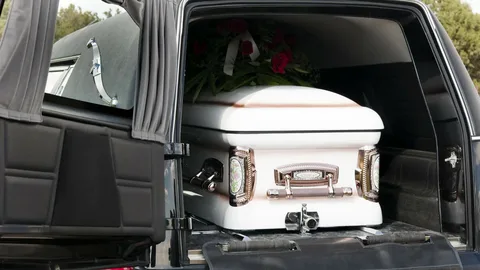
Car travel is one of the most popular ways of travelling large distances to funerals in the UK. Funeral hearses are made specifically to transport coffins securely and respectfully, looking dignified during the journey.
This is why funeral directors arrange routes and times meticulously to make sure the deceased will arrive on time at the destination. Road transport provides the freedom to convey the departed directly between funeral homes, places of worship, crematoriums or cemeteries. If the distances are feasible and the families want to prevent further changes of means of transportation, it is usually the way to go.
Air Transport for International Repatriation
Air travel is sometimes the most practicable choice in the case of a deceased individual who needs to be carried across international boundaries or very long distances. Repatriation is the process of returning the deceased to their home nation or chosen site of burial via commercial or speciality air transport services.
Moving air involves a lot of cooperation between funeral directors, airlines, airports and government officials. Special packing and paperwork requirements must be completed prior to flight. Once the corpse arrives at the destination airport, local funeral experts usually take over and complete the last leg of the trip.
The Role of Funeral Directors in Coordination
The funeral director is key to the handling of long-distance transportation. Their responsibilities go beyond just planning the funeral event. They also organise logistics, handle paperwork, and liaise with everyone concerned.
Due to expertise and knowledge of legal obligations, families typically rely largely on funeral directors during this procedure. They are the first point of contact and coordinate transport companies, authorities and destination funeral homes to ensure a smooth operation. Their experience helps to prevent difficulties and gives confidence in a difficult time.
Managing International Regulations and Requirements
International funeral transport adds more legal and administrative complications. Each country has its own rules for the import and transit of human remains. These restrictions may include health criteria, standards for paperwork, customs processes and allowed means of conveyance.
Before they begin the transportation, funeral directors must do their homework and adhere to certain criteria. If not up to regulatory requirements, you may face delays or issues at airports and borders. Proper preparation and expert assistance help to guarantee all international requirements are met effectively.
Cultural and Religious Considerations During Transport
Arrangements for the funeral conveyance generally have to take into account cultural, religious and personal preferences. Different faiths and traditions may have distinct criteria for the deceased’s preparation, transportation and burial. Respecting these rituals is a very significant aspect of a decent burial ceremony.
Funeral directors collaborate with families and clergy to make certain that transportation plans meet the cultural standards. There may be certain processes, time considerations or ceremonial needs. Funeral experts assist families honour their traditions throughout the transportation process by identifying these requirements.
Ensuring Dignity and Respect Throughout the Journey
No matter the distance, the dignity of funeral transport is always the most important thing. The process is executed professionally and carefully at every step of the way, demonstrating the value of treating the departed with dignity.
Specialist vehicles, experienced staff and established protocols assist guarantee that travel is undertaken respectfully. Families may feel certain that there are specialists devoted to maintaining the dignity of their loved one from the time of collection till the final destination of choice.
Communication with Families During the Process
Long distance funeral transport may be an emotional event for families when the deceased is being transported across vast distances or even international boundaries. Clear communication reduces ambiguity and gives you peace of mind as you go.
Funeral directors keep families continuously informed about transport plans, progress with paperwork, travel timetables and projected times of arrival. Relatives may make educated judgments and prepare for funeral ceremonies due to this transparency. Good communication is often one of the most helpful kinds of support offered during this difficult time.
Conclusion
Long-distance funeral transport is a carefully managed process that combines logistical planning, legal compliance, and compassionate care. Whether transportation occurs within the UK or across international borders, numerous steps must be completed to ensure the deceased reaches their final destination safely and respectfully.
From planning and paperwork to road travel, air transfer and cooperation with authorities, every part of the journey needs professional experience and attention to detail. Working with funeral directors and transport professionals, families can be confident that their loved one will be handled with respect during the whole process so they can concentrate on remembering and honouring a life well lived.
Visit Techntrip for more informative blogs.


Post Comment