Best Hydrating Skincare Routine Using Pure Hyaluronic Acid Serum
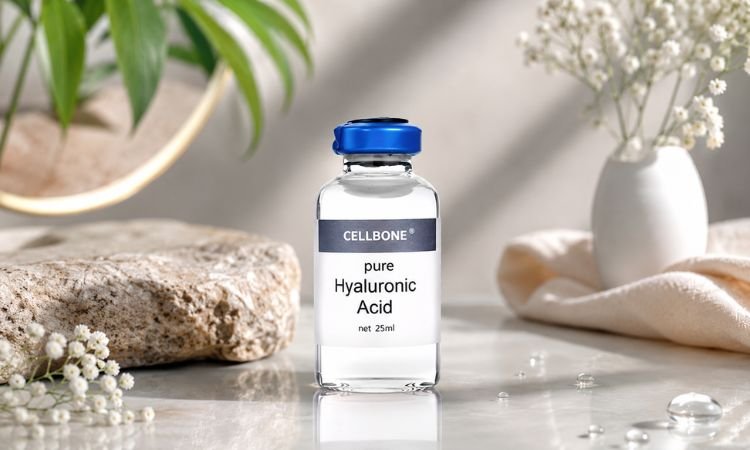
When your skin feels unpredictable – sometimes oily, sometimes tight, sometimes dull – the issue often isn’t a lack of products. It’s a lack of proper hydration at the cellular level. Skin that doesn’t hold enough water struggles to maintain balance, no matter how many treatments you layer on top.
This is why hydration-focused routines are often the foundation in dermatology. Somewhere within that routine, a pure hyaluronic acid serum plays a quiet but essential role, helping the skin retain moisture and function more efficiently. What follows is a practical, science-aligned approach to building a routine that supports hydration first so your skin becomes more stable, resilient, and responsive over time.
Why Skin Hydration Directly Impacts Texture, Tone, and Barrier Function
From a clinical standpoint, hydration is closely tied to the health of the stratum corneum – the outermost layer of the skin. This layer acts as a barrier, regulating water loss and protecting against environmental stressors.
When hydration levels drop, the barrier becomes compromised. You may notice rough texture, increased sensitivity, uneven tone, or breakouts that take longer to heal. These changes aren’t random – they’re signs that your skin is struggling to maintain equilibrium.
Replenishing water content helps restore that balance. It improves elasticity, reduces transepidermal water loss (TEWL), and allows the skin to perform its natural repair processes more effectively.
How Hyaluronic Acid Works Within the Skin
Hyaluronic acid is classified as a humectant, meaning it attracts and binds water. What makes it particularly effective in skincare is its ability to operate across multiple layers of the skin when formulated correctly.
A well-designed pure hyaluronic acid serum often contains varying molecular weights. Larger molecules remain closer to the surface, improving smoothness and hydration immediately. Smaller molecules penetrate deeper, supporting hydration within the epidermis.
This layered hydration leads to more consistent skin behavior – less fluctuation in oil production, improved texture, and a more even appearance overall.
Designing a Routine That Supports Hydration Throughout the Day
A functional skincare routine doesn’t need to be complicated. It needs to be structured in a way that supports the skin’s natural processes.
In the morning, begin with a gentle cleanser that removes excess oil without disrupting the barrier. Immediately after cleansing, while the skin is still slightly damp, apply your hyaluronic acid serum. This allows the humectant to bind available moisture effectively.
Follow with a moisturizer suited to your skin type. This step is essential – it seals in hydration and prevents evaporation. Finish with sunscreen, which protects the skin from UV-induced dehydration and barrier damage.
At night, cleansing becomes more thorough to remove environmental buildup. Once again, apply your serum on damp skin. This is also the stage where treatment products can be introduced, depending on your needs.
Incorporating Targeted Treatments Without Disrupting Balance
Hydration creates the foundation, but targeted treatments address specific concerns such as fine lines or loss of firmness.
Once your skin is consistently hydrated, you can introduce a collagen anti aging serum into your nighttime routine. Hydrated skin allows these formulations to spread more evenly and reduces the likelihood of irritation.
The sequence remains important – hydration first, followed by treatment, then a moisturizer to support overnight repair. This approach ensures that each product functions as intended without overwhelming the skin.
Common Application Mistakes That Limit Results
Even effective products can underperform if used incorrectly. One of the most common issues is applying hyaluronic acid to dry skin. Without available moisture, the ingredient may draw water from deeper layers rather than the environment.
Another frequent mistake is skipping moisturizer. While hyaluronic acid attracts water, it does not prevent its loss. Without an occlusive layer, hydration can dissipate quickly.
Overuse of active ingredients is another concern. Combining multiple exfoliants or treatments can compromise the barrier, making it harder for the skin to retain hydration.
How to Recognize Well-Hydrated, Balanced Skin
Hydrated skin presents differently than simply “moisturized” skin. It feels comfortable throughout the day without tightness or excess oil. Texture appears smoother, and tone looks more even under natural light.
You may also notice that your skin becomes more predictable. Breakouts occur less frequently, and products absorb more efficiently. These changes tend to develop gradually, reflecting improved skin function rather than temporary effects.
Adjusting Your Routine Based on Environment and Skin Behavior
Hydration needs vary depending on climate, lifestyle, and individual skin type. In dry environments, layering hydration with a richer moisturizer becomes more important. In humid conditions, lighter formulations may be sufficient.
Oily skin often benefits significantly from hydration, as it helps regulate sebum production. Sensitive skin, on the other hand, requires a simplified routine with minimal irritants to maintain stability.
Adapting your routine based on these factors ensures that hydration remains effective across different conditions.
FAQs
Can hyaluronic acid be used daily?
Yes, it is suitable for both morning and evening use and supports long-term hydration.
Should it be applied on damp skin?
Yes, applying it to slightly damp skin improves its ability to bind moisture.
Is it effective for oily skin?
Yes, it helps balance oil production by addressing dehydration.
Do I still need a moisturizer after using it?
Yes, a moisturizer helps prevent water loss and maintains hydration.
How long does it take to see results?
Initial improvements in texture may appear quickly, with more consistent results developing over time.





Post Comment