Fatty Liver Disease Treatment: Managing Liver Fat Safely
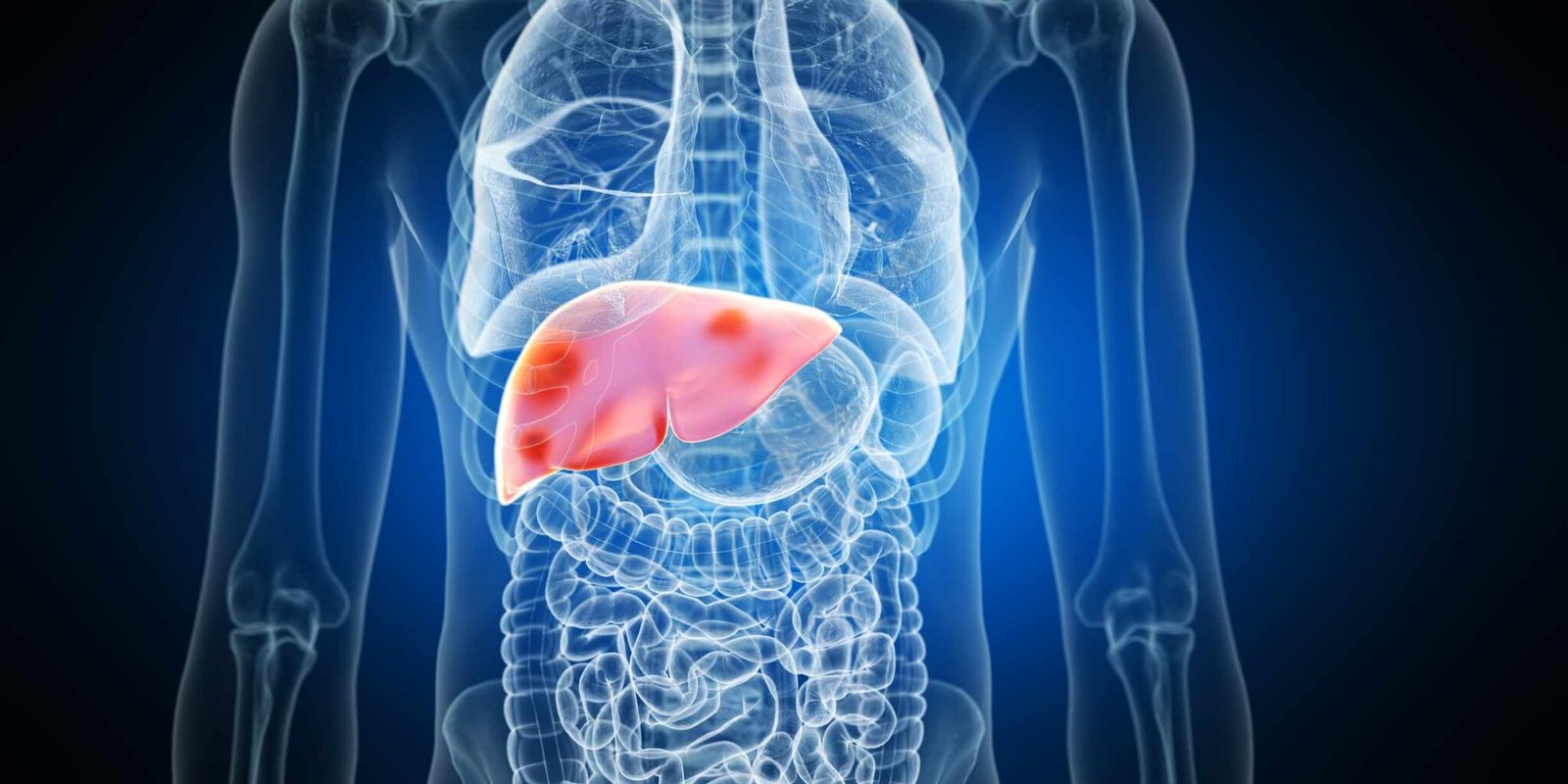
The liver is one of the most important organs in the body. It helps digest food, stores energy, removes toxins, and supports many essential functions. When excess fat builds up in the liver, it can affect how well the liver works and may lead to health problems over time.
Fat accumulation in the liver is becoming increasingly common due to modern lifestyles, unhealthy eating habits, lack of exercise, obesity, and certain medical conditions. Many people may not realize they have this condition because it often develops without noticeable symptoms in the early stages.
Understanding fatty liver disease treatment is important for preventing liver damage and improving overall health. Early diagnosis and proper management can help reduce liver fat, improve liver function, and lower the risk of complications.
What Is Fatty Liver Disease?
Fatty liver disease occurs when too much fat accumulates in the liver cells. While a small amount of fat in the liver is normal, excessive fat can cause inflammation and damage.
There are two main types of fatty liver disease:
Non-Alcoholic Fatty Liver Disease (NAFLD)
This type occurs in people who drink little or no alcohol. It is commonly linked to:
- Obesity
- Type 2 diabetes
- High cholesterol
- High triglycerides
- Metabolic syndrome
Alcohol-Related Fatty Liver Disease
This type develops due to excessive alcohol consumption. The liver becomes unable to process alcohol effectively, leading to fat accumulation.
Why Fatty Liver Disease Should Not Be Ignored
Many people assume fatty liver disease is harmless. However, if left untreated, it can progress to more serious conditions such as:
- Liver inflammation
- Non-alcoholic steatohepatitis (NASH)
- Liver fibrosis
- Cirrhosis
- Liver failure
- Increased risk of liver cancer
Early management can significantly reduce these risks and improve long-term liver health.
Common Symptoms of Fatty Liver Disease
In many cases, fatty liver disease causes no symptoms during its early stages.
When symptoms do occur, they may include:
- Fatigue
- Weakness
- Discomfort in the upper right abdomen
- Unexplained weight loss
- Loss of appetite
- Difficulty concentrating
Advanced liver disease may cause:
- Swelling in the abdomen
- Swelling in the legs
- Yellowing of the skin and eyes
- Easy bruising
- Severe tiredness
Because symptoms can be mild, regular health checkups are important for early detection.
Causes and Risk Factors
Several factors can increase the likelihood of developing fatty liver disease.
Obesity
Excess body weight is one of the leading causes of liver fat accumulation.
Type 2 Diabetes
High blood sugar levels contribute to increased fat storage in the liver.
High Cholesterol
Elevated cholesterol and triglycerides can increase liver fat deposits.
Poor Diet
Diets rich in processed foods, sugary drinks, and unhealthy fats may contribute to fatty liver disease.
Lack of Physical Activity
A sedentary lifestyle can lead to weight gain and metabolic problems that affect liver health.
Excessive Alcohol Consumption
Heavy alcohol use can directly damage liver cells and promote fat buildup.
Certain Medications
Some medications may increase the risk of fatty liver disease in certain individuals.
How Fatty Liver Disease Is Diagnosed
Doctors use several methods to diagnose fatty liver disease and assess liver health.
Medical History
A detailed review of symptoms, lifestyle habits, and medical conditions helps identify risk factors.
Physical Examination
The doctor may check for signs of liver enlargement or other health concerns.
Blood Tests
Liver function tests can help detect inflammation or liver damage.
Ultrasound
Ultrasound is one of the most common imaging tests used to identify excess fat in the liver.
CT Scan or MRI
These imaging studies provide more detailed information about liver structure and fat content.
FibroScan
This specialized test measures liver stiffness and helps assess fibrosis.
Liver Biopsy
In some cases, a small tissue sample may be taken to determine the extent of liver damage.
Goals of Fatty Liver Disease Treatment
The primary goals of treatment include:
- Reducing liver fat
- Preventing inflammation
- Improving liver function
- Managing underlying conditions
- Preventing progression to advanced liver disease
Treatment plans are often tailored to each person’s specific health needs.
Lifestyle Changes for Managing Liver Fat
Lifestyle modification remains the most effective approach for many patients.
Achieving a Healthy Weight
Weight loss can significantly reduce liver fat and improve liver health.
Even losing 5% to 10% of body weight may provide noticeable benefits.
Healthy weight loss should occur gradually rather than through extreme dieting.
Following a Balanced Diet
A nutritious diet can help reduce liver fat and improve overall health.
Recommended foods include:
- Fresh fruits
- Vegetables
- Whole grains
- Lean proteins
- Fish
- Nuts
- Seeds
Foods to limit include:
- Sugary drinks
- Processed snacks
- Fried foods
- Refined carbohydrates
- Excessive saturated fats
Regular Physical Activity
Exercise helps burn excess fat and improve insulin sensitivity.
Activities may include:
- Walking
- Jogging
- Cycling
- Swimming
- Strength training
Most adults should aim for at least 150 minutes of moderate exercise each week.
Medical Management of Fatty Liver Disease
While lifestyle changes are often the foundation of treatment, some patients may require medical management.
Managing Diabetes
Controlling blood sugar levels can help reduce liver fat and prevent disease progression.
Controlling Cholesterol
Treatment for high cholesterol and triglycerides may improve liver health.
Managing High Blood Pressure
Maintaining healthy blood pressure supports overall cardiovascular and liver health.
Monitoring Liver Function
Regular follow-up appointments allow healthcare providers to track progress and adjust treatment when necessary.
The Importance of Diet in Fatty Liver Disease Treatment
Diet plays a major role in liver health.
Increase Fiber Intake
Fiber-rich foods can improve digestion and support healthy metabolism.
Examples include:
- Oats
- Beans
- Lentils
- Fruits
- Vegetables
Choose Healthy Fats
Healthy fats can help reduce inflammation.
Good sources include:
- Olive oil
- Avocados
- Nuts
- Fatty fish
Reduce Added Sugar
Excess sugar contributes to fat accumulation in the liver.
Limiting sugary beverages and desserts can be beneficial.
Stay Hydrated
Adequate water intake supports many important bodily functions, including liver health.
Can Fatty Liver Disease Be Reversed?
In many cases, early-stage fatty liver disease can be reversed.
Successful reversal often depends on:
- Early diagnosis
- Weight management
- Improved nutrition
- Regular exercise
- Control of diabetes and cholesterol
- Avoidance of excessive alcohol
The earlier treatment begins, the greater the chances of improving liver health.
Preventing Fatty Liver Disease
Preventive measures can significantly reduce the risk of developing fatty liver disease.
Maintain a Healthy Weight
Healthy body weight reduces strain on the liver.
Eat Nutritious Foods
A balanced diet supports long-term liver function.
Exercise Regularly
Physical activity helps prevent obesity and metabolic disorders.
Limit Alcohol Consumption
Reducing alcohol intake can protect liver cells from damage.
Monitor Health Conditions
Proper management of diabetes, cholesterol, and blood pressure is essential.
Schedule Regular Health Checkups
Routine screenings can detect liver problems before complications develop.
When to Seek Medical Advice
It is important to consult a healthcare professional if you:
- Experience persistent fatigue
- Have abdominal discomfort
- Have diabetes or obesity
- Notice unexplained weight loss
- Have abnormal liver test results
- Have a family history of liver disease
Early evaluation can help identify the cause and allow timely treatment.
Long-Term Outlook for Patients
The outlook for fatty liver disease is generally positive when diagnosed early and managed properly.
Many individuals experience significant improvement through:
- Weight reduction
- Healthy eating habits
- Increased physical activity
- Proper management of associated medical conditions
Ongoing monitoring remains important to ensure the liver continues to function well and to prevent progression to advanced disease.
Conclusion
Fatty liver disease is a common condition that can affect people of all ages. Although it often develops silently, early diagnosis and appropriate management can make a significant difference. Effective fatty liver disease treatment focuses on reducing liver fat, improving overall health, and preventing serious complications through lifestyle changes, proper nutrition, regular exercise, and medical supervision when needed.
If you are concerned about liver health or have risk factors such as obesity, diabetes, or high cholesterol, consulting an experienced specialist is an important step toward protecting your long-term well-being. Dr. Neil Philip Galletly can provide professional evaluation, guidance, and personalized care to help patients manage liver conditions safely and effectively.






Post Comment