Endometriosis Operation in Dubai: Procedure and Recovery
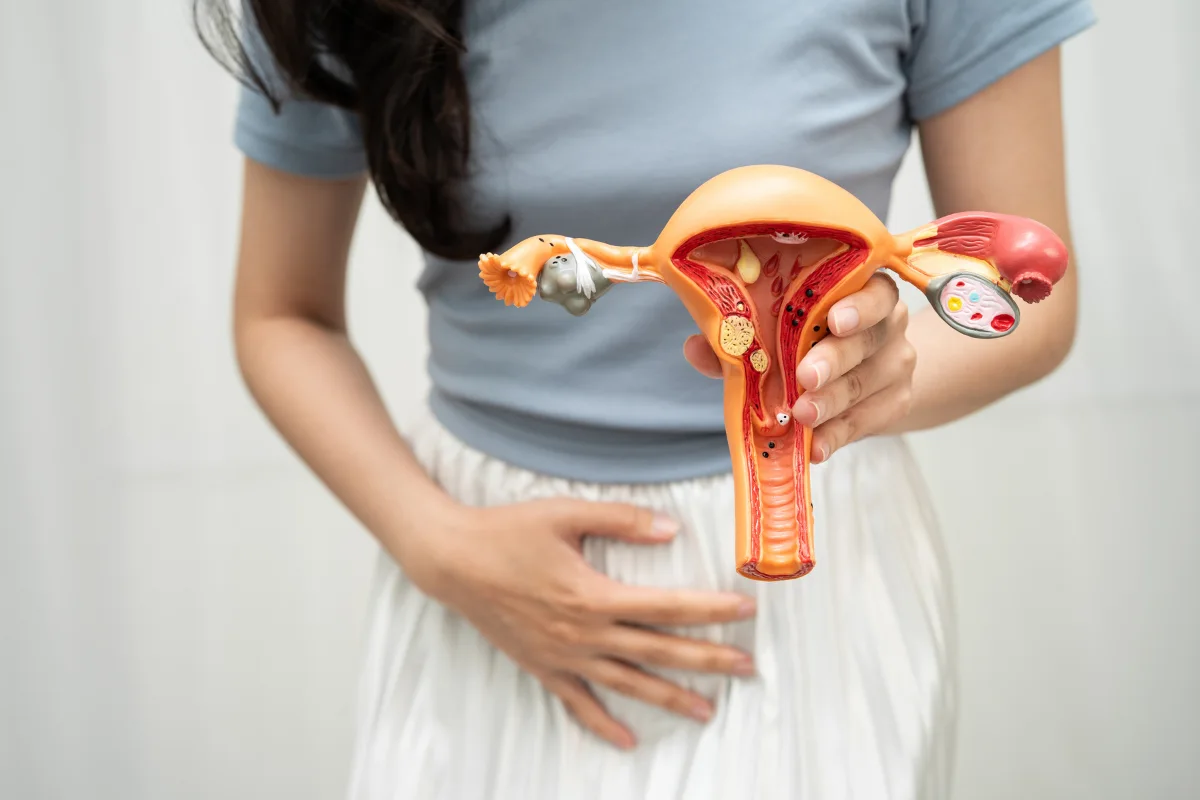
Many women experience pelvic pain, painful periods, and fertility challenges without knowing the exact cause. In some cases, these symptoms may be linked to endometriosis, a condition where tissue similar to the lining of the uterus grows outside the uterus.
For women whose symptoms do not improve with medication or other treatments, surgery may be recommended. An endometriosis operation in dubai can help reduce pain, improve quality of life, and support fertility in selected cases. Understanding the procedure and recovery process can help patients make informed decisions about their treatment.
What Is Endometriosis?
Endometriosis is a long-term condition in which tissue similar to the uterine lining grows in places where it does not belong. These growths can develop on the ovaries, fallopian tubes, bladder, bowel, and other areas within the pelvis.
Just like the lining inside the uterus, this tissue responds to hormonal changes during the menstrual cycle. However, because it is outside the uterus, it cannot leave the body normally. This can lead to inflammation, scar tissue formation, pain, and other complications.
Common Symptoms of Endometriosis
Symptoms can vary from one woman to another. Some women have severe symptoms, while others may have very few signs despite extensive disease.
Common symptoms include:
- Painful menstrual periods
- Chronic pelvic pain
- Pain during or after sexual intercourse
- Heavy menstrual bleeding
- Pain during bowel movements
- Pain while urinating during periods
- Lower back pain
- Difficulty becoming pregnant
- Fatigue and discomfort
If these symptoms become severe or affect daily life, medical evaluation is important.
When Is Surgery Recommended?
Not every woman with endometriosis needs surgery. Doctors usually begin treatment with medication, hormone therapy, or lifestyle changes.
However, surgery may be recommended when:
Severe Pain Continues
If pain remains significant despite medication, surgery may help remove endometriosis tissue causing discomfort.
Ovarian Cysts Are Present
Endometriosis can cause ovarian cysts known as endometriomas. Large cysts may require surgical removal.
Fertility Problems Exist
Women who are trying to conceive and have endometriosis-related fertility issues may benefit from surgery in some situations.
Disease Is Affecting Other Organs
When endometriosis involves the bowel, bladder, or surrounding structures, surgery may become necessary.
Diagnosis Needs Confirmation
Although imaging tests can provide valuable information, surgery may sometimes be required to confirm the diagnosis.
Goals of an Endometriosis Operation
The main goals of surgery include:
- Removing endometriosis tissue
- Reducing pelvic pain
- Improving fertility potential
- Removing ovarian cysts
- Preventing disease progression
- Restoring normal pelvic anatomy
The specific goals depend on the patient’s symptoms, age, fertility plans, and extent of disease.
Types of Endometriosis Surgery
Several surgical approaches may be used depending on the severity of the condition.
Laparoscopic Surgery
Laparoscopic surgery is the most common procedure used for endometriosis treatment.
This minimally invasive technique involves making small incisions in the abdomen. A thin camera called a laparoscope is inserted through one incision, allowing the surgeon to view the pelvic organs.
Special instruments are inserted through additional small openings to remove or destroy endometriosis tissue.
Benefits of laparoscopic surgery include:
- Smaller incisions
- Less pain after surgery
- Faster recovery
- Reduced scarring
- Shorter hospital stay
Excision Surgery
In excision surgery, endometriosis lesions are carefully cut out and removed completely.
Many specialists consider excision an effective treatment because the disease tissue is physically removed rather than simply destroyed.
Ablation Surgery
Ablation uses heat, laser, or other energy sources to destroy endometriosis lesions.
The choice between excision and ablation depends on several factors, including lesion location and surgical planning.
Endometrioma Removal
If ovarian cysts caused by endometriosis are present, they may be removed during surgery.
Removing these cysts can help reduce pain and improve ovarian health in selected patients.
Advanced Surgery for Deep Endometriosis
In severe cases, endometriosis may involve the bowel, bladder, ureters, or other pelvic structures.
Complex surgical procedures may be needed to safely remove affected tissue while protecting surrounding organs.
Preparing for an Endometriosis Operation
Proper preparation helps improve surgical outcomes and recovery.
Before surgery, patients may undergo:
- Medical consultation
- Physical examination
- Ultrasound imaging
- MRI scans in selected cases
- Blood tests
- Review of medications
- Fertility assessment if required
Patients should inform their doctor about:
- Current medications
- Previous surgeries
- Allergies
- Existing medical conditions
- Pregnancy plans
Following preoperative instructions carefully is important for a smooth surgical experience.
What Happens During the Procedure?
The exact steps depend on the type and extent of surgery.
In a typical laparoscopic procedure:
- The patient receives general anesthesia.
- Small incisions are made in the abdomen.
- Carbon dioxide gas is used to gently expand the abdomen for better visibility.
- A camera is inserted to view the pelvic organs.
- Endometriosis lesions are identified.
- Diseased tissue is removed or destroyed.
- Ovarian cysts, if present, may be treated.
- Instruments are removed and incisions are closed.
Most procedures take between one and several hours, depending on complexity.
Benefits of Endometriosis Surgery
Many women experience significant improvements after surgery.
Potential benefits include:
Pain Relief
Removing endometriosis tissue often reduces pelvic pain and menstrual discomfort.
Better Quality of Life
Women may find it easier to perform daily activities, exercise, work, and enjoy social events.
Improved Fertility
For some patients, surgical treatment may increase the chances of natural conception.
Reduced Inflammation
Removing active disease can help decrease inflammation within the pelvis.
Management of Ovarian Cysts
Surgery can eliminate painful endometriomas and prevent complications associated with large cysts.
Risks and Possible Complications
Like any surgical procedure, endometriosis surgery carries certain risks.
Potential complications may include:
- Infection
- Bleeding
- Blood clots
- Injury to nearby organs
- Scar tissue formation
- Anesthesia-related risks
- Recurrence of endometriosis
Although complications are uncommon, patients should discuss all potential risks with their surgeon before treatment.
Recovery After Endometriosis Surgery
Recovery varies depending on the extent of surgery and the patient’s overall health.
Immediately After Surgery
Patients are monitored in the recovery area as the effects of anesthesia wear off.
Common temporary symptoms include:
- Mild abdominal discomfort
- Shoulder pain from surgical gas
- Fatigue
- Nausea
- Mild bloating
These symptoms usually improve within a few days.
Returning Home
Many laparoscopic procedures allow patients to return home on the same day or after a short hospital stay.
Patients should arrange transportation and support at home during the first few days.
First Week of Recovery
During the first week:
- Rest is important
- Walking is encouraged
- Heavy lifting should be avoided
- Pain medications may be prescribed
- Hydration should be maintained
Most women gradually regain energy during this period.
Two to Four Weeks
Many patients return to office-based work within one to two weeks, depending on how they feel.
Physical activity should increase gradually according to medical advice.
Full Recovery
Complete recovery may take several weeks, especially after more extensive procedures.
Patients should attend all follow-up appointments to monitor healing and discuss ongoing management.
Tips for a Smooth Recovery
Following healthy habits can support healing.
Helpful recovery tips include:
Stay Active Gently
Short walks can improve circulation and reduce the risk of complications.
Eat Nutritious Foods
A balanced diet rich in fruits, vegetables, lean protein, and whole grains supports recovery.
Drink Plenty of Water
Adequate hydration helps the body heal more effectively.
Follow Medication Instructions
Take prescribed medications exactly as directed.
Avoid Heavy Physical Strain
Heavy lifting and intense exercise should be avoided until approved by the doctor.
Attend Follow-Up Visits
Regular appointments allow the healthcare team to monitor recovery progress.
Can Endometriosis Return After Surgery?
Yes, endometriosis can return even after successful surgery.
Recurrence rates vary depending on factors such as:
- Severity of disease
- Age
- Hormonal influences
- Surgical technique
- Future treatment plans
To reduce recurrence risk, doctors may recommend ongoing medical management after surgery.
Regular monitoring helps identify any returning symptoms early.
Fertility After Endometriosis Surgery
Many women considering surgery are concerned about future fertility.
The effect of surgery on fertility depends on:
- Patient age
- Severity of endometriosis
- Ovarian reserve
- Presence of scar tissue
- Overall reproductive health
In some women, surgical treatment improves fertility outcomes. In others, additional fertility treatments may still be necessary.
A personalized fertility evaluation can help determine the most appropriate approach.
Choosing the Right Specialist
Successful treatment often depends on selecting an experienced specialist familiar with complex endometriosis cases.
Important factors to consider include:
- Experience treating endometriosis
- Expertise in minimally invasive surgery
- Access to advanced diagnostic tools
- Comprehensive treatment planning
- Personalized patient care
A detailed consultation helps patients understand their options and create an individualized treatment plan.
Conclusion
An endometriosis operation in Dubai can be an effective treatment option for women experiencing severe pain, ovarian cysts, fertility challenges, or advanced disease that does not respond to medication. Modern surgical techniques, especially minimally invasive laparoscopic procedures, offer the possibility of symptom relief, improved quality of life, and better reproductive outcomes for many patients.
Understanding the procedure, benefits, risks, and recovery process helps patients feel more confident about their treatment journey. For expert evaluation and personalized care, consulting with Dr. Neha Lalla can help determine the most suitable approach based on individual symptoms, health goals, and long-term wellbeing.


Post Comment