MPO Connector Solutions for High-Density Fiber Optic Networks
The rapid expansion of cloud computing, artificial intelligence, telecommunications infrastructure, and hyperscale data centers has created a growing demand for high-performance fiber optic connectivity. Modern networks require solutions that can support increasing bandwidth requirements while maximizing space efficiency and simplifying cable management. One of the most important technologies addressing these challenges is the mpo connector, which enables multiple fiber connections within a single compact interface.
As organizations continue to upgrade network infrastructure to support higher transmission speeds and greater data volumes, MPO connectors have become a critical component of modern fiber optic systems. Their ability to support high-density deployments makes them ideal for data centers, enterprise networks, and telecommunications environments where scalability and efficiency are essential.
What Is an MPO Connector?
Understanding Multi-Fiber Connectivity
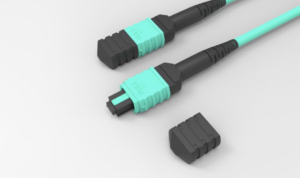
An mpo connector is a multi-fiber optical connector designed to terminate and connect multiple optical fibers simultaneously. Unlike traditional fiber connectors that typically support one or two fibers, MPO technology can accommodate multiple fibers within a single connector housing.
This design significantly increases fiber density while reducing the physical space required for network connections. MPO connectors are engineered to provide precise fiber alignment, ensuring efficient optical performance and minimal signal loss during transmission.
Because they support multiple fibers in a compact format, MPO connectors have become a preferred solution for modern high-speed network architectures.
Why MPO Connectors Are Important
Supporting High-Density Network Environments
Modern data centers often require thousands of fiber connections between servers, storage systems, and networking equipment. Managing these connections using traditional fiber connectors can consume valuable space and create cable management challenges.
An mpo connector allows multiple fibers to be connected through a single interface, reducing cable congestion and improving overall infrastructure efficiency.
Enabling Faster Deployment
Large-scale network installations require efficient deployment methods. MPO technology simplifies installation by allowing multiple fibers to be connected simultaneously rather than individually.
This reduces installation time, lowers labor costs, and accelerates network deployment schedules.
Preparing for Future Growth
As organizations continue expanding digital infrastructure, scalable connectivity solutions become increasingly important. MPO connectors support future network growth by enabling higher fiber densities and easier upgrades.
Key Features of MPO Connector Technology
Multi-Fiber Design
One of the defining characteristics of an mpo connector is its ability to support multiple optical fibers within a single connector body. This design enables high-density connectivity without increasing the physical footprint of network infrastructure.
Compact Form Factor
The compact size of MPO connectors helps maximize rack space and improve cable organization. This is particularly important in data centers where space efficiency directly impacts operational performance.
Precision Alignment Mechanism
MPO connectors incorporate alignment pins and guide systems that ensure accurate fiber positioning. Proper alignment is essential for maintaining low insertion loss and reliable signal transmission.
High-Speed Compatibility
MPO technology supports high-speed network applications, making it suitable for modern environments that require significant bandwidth capacity and rapid data transfer.
Benefits of MPO Connectors
Increased Fiber Density
One of the primary advantages of an mpo connector is its ability to increase fiber density within network infrastructure. Multiple fibers can be accommodated through a single connection point, reducing space requirements and improving scalability.
Simplified Cable Management
Managing large numbers of fiber connections can be challenging. MPO technology helps reduce cable clutter and creates a cleaner, more organized network environment.
Faster Installation and Maintenance
Pre-terminated MPO assemblies streamline installation processes and reduce deployment complexity. Maintenance and upgrades can also be completed more efficiently due to improved cable organization.
Enhanced Scalability
Organizations can expand network capacity more easily with MPO-based infrastructure. Additional connectivity can often be implemented without major changes to existing systems.
Improved Operational Efficiency
By reducing cable congestion and simplifying network management, MPO connectors contribute to overall operational efficiency and infrastructure performance.
Applications of MPO Connectors
Data Centers
Data centers are among the largest users of mpo connector technology. These facilities require extensive fiber connectivity to support communication between servers, switches, storage arrays, and networking equipment.
MPO solutions help maximize rack density while maintaining organized and efficient cable management.
Cloud Computing Infrastructure
Cloud service providers depend on scalable fiber networks capable of supporting massive volumes of data traffic. MPO technology provides the connectivity density needed for these demanding environments.
Telecommunications Networks
Telecommunications providers use MPO connectors to support broadband services, mobile communication infrastructure, and high-capacity backbone networks.
Enterprise Networks
Large organizations deploy MPO-based fiber systems to connect campuses, departments, and critical business applications while supporting future growth.
MPO Connectors and High-Speed Networking
Supporting 40G, 100G, and Beyond
As network speeds continue to increase, MPO technology plays a critical role in supporting high-bandwidth communication systems. The ability to connect multiple fibers simultaneously makes MPO connectors well suited for advanced networking architectures.
Enabling Data Center Modernization
Organizations upgrading infrastructure to support cloud computing, virtualization, and AI workloads often implement MPO-based connectivity solutions to improve performance and scalability.
Supporting Artificial Intelligence Workloads
AI environments require rapid data movement between computing resources. An mpo connector helps provide the high-speed fiber connectivity necessary for these demanding applications.
Types of MPO Connector Deployments
Backbone Cabling
MPO connectors are frequently used in backbone fiber infrastructure where high-capacity connectivity is required between network distribution points.
Structured Cabling Systems
Many structured cabling environments utilize MPO technology to simplify network management and improve scalability.
High-Density Patch Panels
MPO connectors are commonly integrated into high-density patch panels to maximize connectivity while conserving rack space.
Choosing the Right MPO Connector
Fiber Count Requirements
Organizations should evaluate current and future capacity needs when selecting an MPO solution.
Compatibility Considerations
An mpo connector should be compatible with existing network equipment, patch panels, and transceiver technologies.
Performance Specifications
Factors such as insertion loss, return loss, and overall reliability should be considered when evaluating MPO connectivity solutions.
Scalability Requirements
Selecting a solution that supports future expansion helps ensure long-term infrastructure value and flexibility.
Conclusion
The mpo connector has become a cornerstone of modern fiber optic networking, delivering high-density connectivity, simplified cable management, improved scalability, and faster deployment. As data centers, telecommunications providers, cloud platforms, and enterprise networks continue to expand, MPO technology provides the performance and efficiency needed to support growing bandwidth demands. By enabling organizations to maximize fiber capacity while reducing infrastructure complexity, MPO connectors remain one of the most valuable solutions for building future-ready communication networks.


Post Comment