From HVAC to Piping: Understanding the Scope of Mechanical Estimating
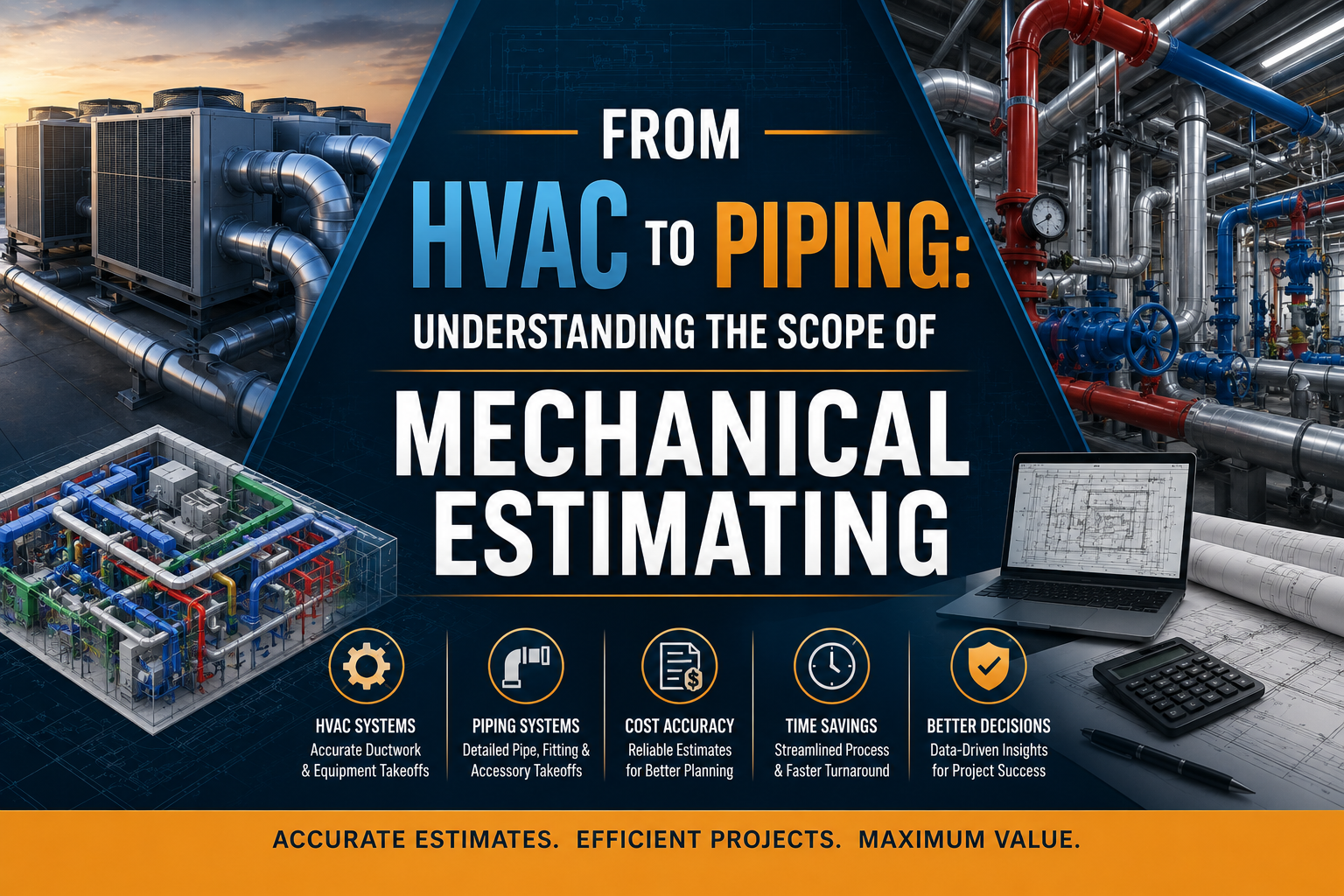
Mechanical estimating is an important paScope of Mechanical Estimating rt of planning a construction project. It helps contractors, engineers and project owners understand the expected cost of the mechanical systems before they start working. Mechanical estimating covers many components from HVAC systems to piping networks that affect the performance, safety and efficiency of the building.
Getting the mechanical estimating accurate reduces financial problems, improves budget planning and makes sure the project is finished successfully. Understanding the scope of mechanical estimating helps construction teams make smart and informed decisions and avoid big problems that cost a lot of money during the building process.
What Is Mechanical Estimating?
Mechanical estimating refers to calculating the cost, labour, materials, equipment and installation needs for mechanical systems in a construction project. Many contractors and project owners hire expert Mechanical Estimating Services to create cost estimates and detailed breakdowns of expenses needed to complete mechanical work according to project requirements.
Professional mechanical estimators look at the drawings and the project documents carefully to understand the scope and requirements for the project. The goal is to create reliable cost estimates so the project planning, execution and bidding go smoothly.
HVAC Estimating: A Major Part of Mechanical Estimating
HVAC estimating is one of the largest areas within mechanical estimating. HVAC systems are very important because they control the heating, ventilation and air conditioning in a building. This makes these systems essential for the people who live or work in the building to be comfortable and have good air quality indoors. An HVAC estimate includes:
- Air handling units
- Ductwork systems
- Chillers and boilers
- Ventilation equipment
- Thermostats and controls
- Refrigeration components
- The cost of labour for installation
Many construction teams prefer hiring professional HVAC Estimating Services to accurately calculate material quantities, labour hours, cost of equipment and project-related requirements.
Understanding Piping Estimating
Piping estimating focuses on the cost and installation requirements of piping systems used throughout a building or facility. These systems transport water, gas, steam, chemicals and other fluids necessary for operations. Piping estimates include:
- Pipe materials
- Valves and fittings
- Pumps
- Supports and hangers
- Insulation
- Welding requirements
- Installation labor
Different projects require different piping materials such as steel, copper, PVC or stainless steel. Estimators must evaluate material specifications, pipe sizes, routing complexity and labour requirements to produce an accurate estimate. For large-scale manufacturing facilities, many contractors highly recommend partnering with an Industrial Estimating Company to manage complex piping systems and cost calculations.
Other Systems Included in Mechanical Estimating
The scope of mechanical estimating includes more than HVAC and piping systems. Other systems included in mechanical estimating are explained below.
Plumbing Systems
Plumbing estimating covers different systems such as water supply systems, drainage systems, fixtures, pumps and related components. Estimators calculate quantities and costs based on project specifications and building requirements.
Fire Protection Systems
Fire protection estimating includes fire protection systems such as sprinkler systems, fire pumps, piping networks and control equipment.
Process Mechanical Systems
Industrial projects include specialized process systems used in manufacturing, processing and production facilities. These systems involve complex piping, tanks, pumps and mechanical equipment that require detailed estimating.
Why Mechanical Estimating Matters
Mechanical systems play a major part in construction projects of homes, offices or factories. Even a small error in estimating the costs can cause problems like budget overruns, project delays or not having enough materials. Accurate mechanical estimating helps in the following ways:
- Create realistic budgets for projects
- Make bids more accurate
- Reduce unexpected expenses
- Plan resources better
- Increase the profitability of the project
- Improve scheduling and workflow
When mechanical costs are estimated correctly, everyone involved in the project moves forward with more confidence.
Factors That Affect Mechanical Estimates
Factors that affect the accuracy of mechanical estimating are given below.
- Project Size and Complexity: Big projects need a lot of materials, labour, and equipment. Complicated designs take longer to install which increases overall cost.
- Material Prices: Mechanical systems need steel, copper, aluminium and special equipment. When the prices of these materials go up or down in the market, it affects the project budget.
- Labour Costs: Labour costs vary by place, project type and availability of the workforce. Projects that need skilled labour are more expensive.
- Building Requirements: Different kinds of buildings need different mechanical systems. For example, hospitals, factories, schools and office buildings all need unique systems and installation needs.
Conclusion
Mechanical estimating covers the costs of different systems in a building. This includes HVAC systems, piping networks and special equipment for industrial, residential and commercial projects. To create accurate project costs, each system requires detailed analysis of materials, labour, equipment and installation needs.
Understanding the scope of mechanical estimating allows contractors and project owners to plan efficiently, keep costs under control and improve project outcomes. As buildings get more complicated, accurate mechanical estimating remains important for achieving successful, efficient and profitable outcomes.





Post Comment