How To Mix Gold And Silver In Your Bridal Jewelry
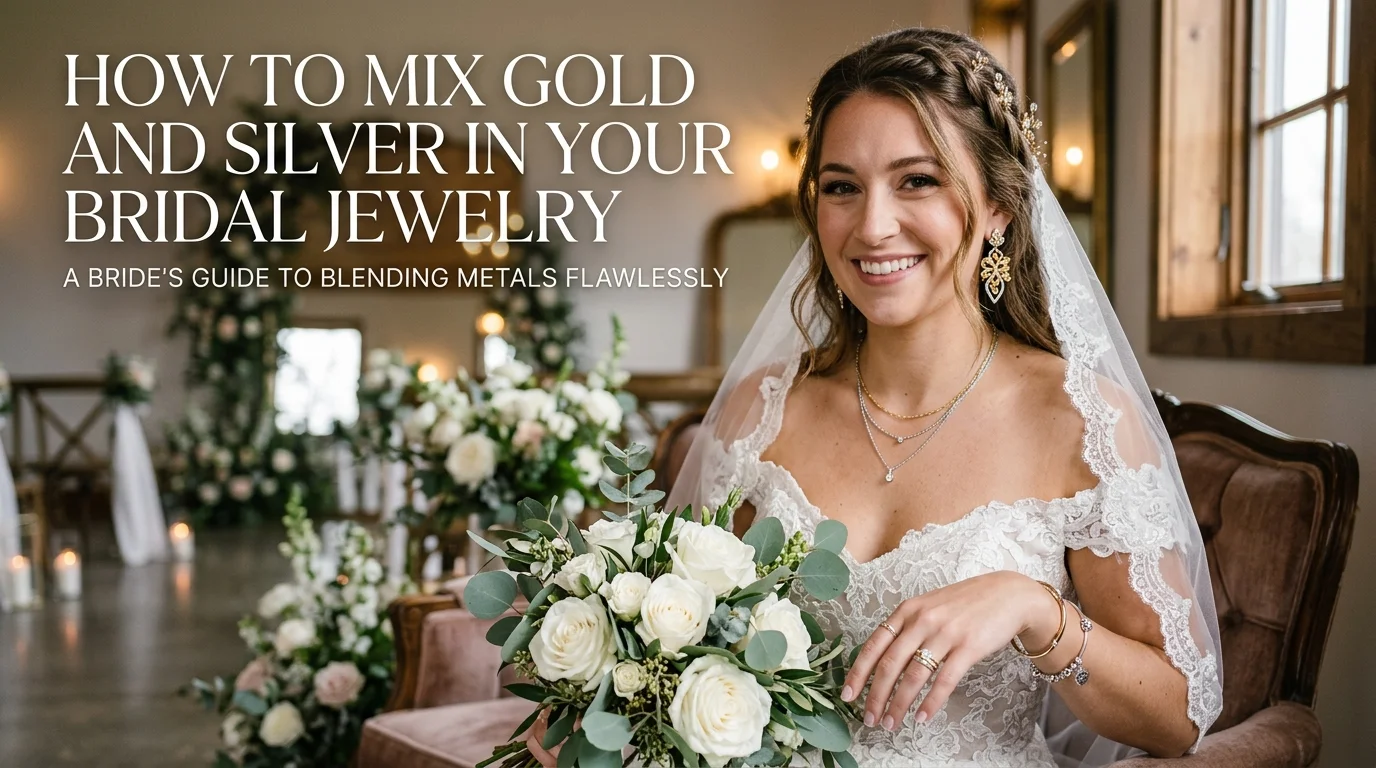
Gone are the days when brides had to pick between gold or silver for their wedding day. Mixing metals has become like one of the hottest trends in bridal jewelry, and honestly it makes perfect sense. Why stick to just one metal when you can blend the warmth of gold with the cool elegance of silver at the same time? This way of doing wedding jewelry gives you more flexibility; it also helps you wear things you already own, and it brings out this kind of unusual, very-you look that feels personal. It’s not just stylish; it’s kind of smart too, if you think about it.
The best part is mixing gold and silver is simpler than you might expect. You don’t have to be a stylist or follow those fussy, complicated rules. With a few quick guidelines, you can put together a gorgeous mixed metal look that feels curated and also kind of natural on your big day.
Why Mixing Metals Works for Your Wedding Look
Forget that old, kind of strict idea about never mixing metals. It’s honestly a little outdated now, like the whole “just don’t” thing. Wedding style has sort of moved on, and brides too. Today it’s more about authenticity and your own personal expression than some rigid cookie-cutter tradition that nobody really asked for.
Mixing gold and silver can actually be pretty practical. You can bring in heirloom pieces from both sides of your family without spending your whole brain on whether every single item matches perfectly. That silver bracelet from your grandmother and the gold earrings from your mother? Yes, they can absolutely work together… like, genuinely.
Also, this kind of approach plays nicer with modern engagement rings than you might think. A lot of contemporary rings already mix metals, with white gold or platinum bands and rose or yellow gold accents. So then your other jewelry has an easier time harmonizing with your ring, instead of feeling like it’s fighting it in public.
Start with Your Engagement Ring as the Foundation
Your engagement ring kind of sets the tone for everything else, so check the metal(s) you already have and use that as your starting point.
If your ring is basically white gold or platinum, you get a clean slate. You can go heavier into silver tones, then add gold only as accents. But if your ring is yellow gold, do the reverse. Make gold the dominant vibe, and bring in silver through smaller pieces.
And if your ring already has mixed metals? Then honestly you have the most freedom. You can balance gold and silver pretty evenly, without worrying too much about clashing with your main piece.
The 60/40 Rule for Balanced Mixed Metal Bridal Jewelry
Here’s a simple guideline, and it tends to work pretty much every time. Pick one metal to be the dominant tone (roughly 60 percent) and let the other be the accent (about 40 percent).
That combo creates visual interest without looking messy or chaotic. Your eye usually wants a primary focus, and the dominant metal gives you that anchor. The accent metal adds dimension and makes everything feel intentional, not accidental.
Like, if you’re wearing a gold necklace and gold earrings, then add a silver bracelet and maybe some silver hair accessories. Or flip it: go with silver statement earrings and a necklace, with a delicate gold bracelet and a gold ring.
You don’t need to measure it super precisely; just aim for one metal to show up noticeably more than the other.
Layer Different Metals Strategically
Layering is where mixed metals really show off. Think stacking rings, bracelets in different metals, or multiple necklaces layered in a way that looks deliberate.
For necklaces, vary the lengths so each piece gets its own moment. A shorter silver chain with a delicate pendant, paired with a longer gold chain, creates this really nice depth. The different lengths keep the metals from competing too hard.
For bracelets, try alternating metals. One gold bangle, one silver cuff, maybe a thin gold chain bracelet too. That variation adds texture and movement, and it looks more styled than “I grabbed whatever was nearby.”
Just keep your overall style in mind. Delicate pieces usually look best with other delicate pieces. Chunky, statement jewelry pairs better with similarly bold choices.
Consider Your Dress and Overall Color Palette
Your dress color can change how the metals look on you. Most wedding dresses are ivory, white, or champagne, and those shades tend to look great with mixed metals.
Cooler white dresses often look stunning with a slightly stronger silver emphasis. Warmer ivory or champagne dresses usually feel more balanced when gold is leading.
And don’t forget your other wedding details either. If your bridesmaids are wearing rose gold accessories, adding some rose gold into your mixed metal look ties everything together. If your bouquet has silver accents, or your hair accessories are gold, echo those metals in your jewelry somewhere, even if it’s subtle.
Mix Textures Along with Metals
Color matters, but texture helps mixed metals look even more intentional.
Try pairing smooth, polished gold with hammered or brushed silver. Or match a delicate gold chain with a chunky silver cuff. You can also combine vintage ornate gold earrings with sleek modern silver bangles.
That texture contrast basically tells people, “This was on purpose.” It looks curated and thoughtful, not like you just ended up with mismatched jewelry by chance.
Trust Your Instincts and Personal Style
At the end of everything, your wedding jewelry should feel like you. If you naturally lean toward mixing metals in everyday life, bring that same energy into your wedding day.
Do a few test runs before the wedding. Try different combinations while wearing your dress, and take photos. You can literally see what makes you feel beautiful and confident, which is kind of the whole point.
Some brides pull off a lot of mixed metal pieces without any problem. Others prefer a subtler approach with one or two contrasting items. Both ways work, as long as it matches your comfort level and your actual personal taste.
Making Mixed Metals Work on Your Big Day
Mixing gold and silver in bridal jewelry isn’t just acceptable anymore; it’s become this more sophisticated way to build a personalized wedding look. You get to wear the pieces you love without following fake restrictions about whether the metals “should” match perfectly.
Whether you go for dramatic contrast or keep it more subtle, this bridal jewelry approach gives you room to express your own style. Start with your engagement ring, follow the 60/40 guideline, and most importantly, pick pieces that make you feel amazing. Your wedding day jewelry is supposed to tell your story, and sometimes that story is best told across multiple metals, not just one.





Post Comment