How to Choose the Right Lawn for Your Dallas Home
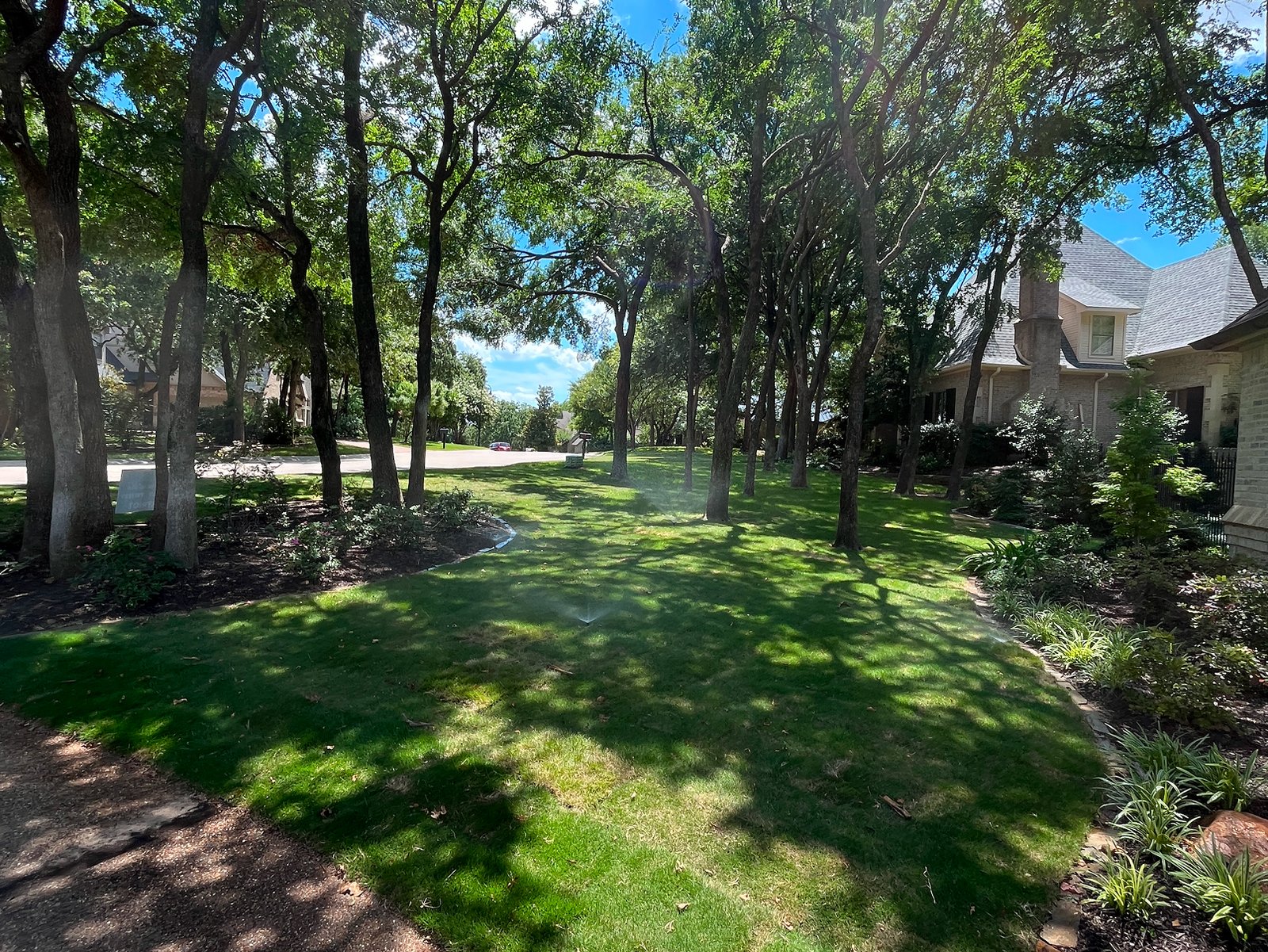
A great looking lawn can make a home feel more welcoming. It gives children a place to play, provides space for outdoor gatherings, and adds a natural touch to the property. However, keeping grass healthy can become difficult when a yard has poor soil, heavy foot traffic, drainage problems, or harsh weather conditions.
When an existing lawn is no longer performing well, homeowners may consider replacing it rather than continuing to repair the same areas. Natural sod and artificial grass are two practical options for creating a more attractive outdoor space.
Residential sod installation services can provide an established natural lawn in a relatively short time. Artificial grass, on the other hand, offers a consistent surface that does not grow and therefore eliminates mowing. Understanding how both choices work can help homeowners select an option that fits their property and lifestyle.
When Should You Consider a New Lawn?
Not every damaged lawn needs complete replacement. Some problems can be improved with better watering, mowing, fertilizing, or other routine care. However, widespread damage may indicate that the existing lawn is no longer the right fit for the property.
Large bare patches, uneven growth, excessive weeds, or areas that repeatedly become muddy can make a yard difficult to maintain. If these issues continue despite regular care, starting with a properly prepared surface may be worth considering.
A new lawn can also be part of a broader property improvement. Homeowners may want to update an outdated yard, create a more usable backyard, or improve the appearance of their property before putting it on the market.
What Are Residential Sod Installation Services?
Residential sod installation services involve placing mature sections of natural grass over prepared soil. Unlike grass seed, which needs time to germinate and spread, sod provides an established lawn surface soon after installation.
The process generally begins with removing unwanted vegetation and preparing the soil. The ground is leveled and shaped before the sod is placed. Each section is positioned carefully to create an even and attractive surface.
Proper installation gives the roots an opportunity to establish themselves in the soil. This early period is important because the lawn needs suitable moisture and protection from heavy activity while the roots develop.
Why Soil Preparation Matters
A healthy lawn starts below the grass. Soil that is compacted, uneven, or poorly drained can create problems even when high quality sod is used.
Before installation, the property should be inspected for grading and drainage concerns. Low areas may need to be adjusted, while compacted soil may require preparation to improve growing conditions.
Old vegetation and debris should also be removed. Starting with a clean surface allows the new sod to make better contact with the prepared soil.
Good preparation can also improve the overall appearance of the finished lawn by reducing uneven areas and helping the grass establish more consistently.
Caring for Newly Installed Sod
New sod needs regular attention after installation. Water is especially important during the early establishment period because the roots are still developing.
The amount and frequency of watering depend on factors such as weather, soil conditions, grass type, and the location of the lawn. Homeowners should aim for appropriate moisture without creating constantly wet conditions.
Heavy foot traffic should also be limited while the roots are becoming established. Children, pets, and outdoor activities can put stress on fresh sod if the lawn is used too soon.
Once the grass has rooted properly, normal mowing and routine lawn care can resume.
What Is Artificial Grass?
Artificial grass is a manufactured lawn surface designed to provide the appearance of natural turf. Since it does not grow, it does not need mowing.
For homeowners who want a green outdoor area without regular grass growth, artificial grass can be an attractive alternative. It can be used in different residential spaces, including front yards, backyards, entertainment areas, and pet areas.
However, the quality of an artificial lawn depends heavily on proper installation. The turf itself is only one part of the finished system.
Understanding Artificial Grass Installation in Dallas TX
Artificial grass installation in Dallas TX begins with preparing the area underneath the turf. Existing grass, weeds, and debris generally need to be removed before the surface is shaped.
The ground is then leveled and prepared for a stable base. Proper compaction helps create a firm foundation and can reduce the chance of an uneven surface.
Once the base is ready, the artificial grass is measured, positioned, and secured. Seams should be handled carefully, while the edges need to be properly fastened to help keep the turf in place.
Drainage also deserves careful attention. A well prepared installation should allow rainwater to move away efficiently instead of collecting on the surface.
Benefits of Artificial Grass for Homeowners
Artificial grass can be appealing to homeowners who want to reduce some of the regular work associated with natural lawns.
There is no need to mow growing turf, and routine watering requirements can be significantly different from those of natural grass. The surface can also maintain a consistent appearance throughout the year.
Some reasons homeowners may consider artificial grass include:
- No regular mowing
- Reduced routine watering
- Consistent green appearance
- Useful surface for active outdoor areas
- Suitable for many residential applications
Artificial grass still requires basic care. Leaves, dirt, and other debris should be removed, and the surface may need occasional cleaning. Pet areas may require additional cleaning based on use.
Comparing Natural Sod and Artificial Grass
Natural sod and artificial grass can both improve the appearance of a residential property, but they provide different experiences.
Natural sod is living grass. It offers the natural texture and feel many homeowners prefer, but it also requires ongoing care. Watering, mowing, and seasonal lawn maintenance remain part of ownership.
Artificial grass provides a manufactured surface that does not grow. This can reduce certain maintenance tasks and provide a consistent appearance, but it still requires cleaning and occasional inspection.
The right option depends on what matters most to you.
Consider Your Lifestyle
Your daily routine should play a major role in choosing a lawn solution. A homeowner who enjoys gardening and lawn care may appreciate natural grass. Someone with a busy schedule may prefer a surface that requires fewer routine tasks.
Think about the following before making a decision:
- How often the lawn will be used
- Amount of sunlight the property receives
- Existing drainage conditions
- Whether pets or children use the yard
- How much routine maintenance you prefer
These considerations can help you choose a solution that works with your lifestyle rather than against it.
Consider Dallas Weather
Local weather conditions should also be part of your planning. Dallas can experience periods of intense heat, which can affect natural grass if it does not receive appropriate care.
Heavy rainfall can create another concern when drainage is not adequate. Before installing either natural sod or artificial grass, homeowners should understand how water moves across their property.
Choosing suitable materials and preparing the ground correctly can help the lawn perform better under changing weather conditions.
Professional Installation Can Improve the Result
A lawn installation may look simple, but preparation and finishing details can have a significant impact on the final result.
For natural sod, poor soil preparation or improper watering can affect root development. For artificial grass, an uneven foundation or inadequate drainage can create surface problems.
Professional installation can help homeowners identify these concerns before the project begins. Careful preparation, accurate measurements, proper installation, and secure edges can contribute to a cleaner and more durable finished lawn.
Plan for Long Term Results
A lawn should be considered as part of the property’s overall outdoor design. Before choosing an option, think about how the space will look and function several years from now.
Natural grass may require more regular attention, but it provides the experience of a living landscape. Artificial grass can reduce some lawn chores and maintain a consistent appearance, but it still requires basic cleaning and care.
Taking time to compare both choices can help you avoid selecting a lawn based only on its initial appearance.
Conclusion
A new lawn can improve the appearance and usability of your home’s outdoor space. Residential sod installation services offer a practical way to establish natural grass, while artificial grass installation in Dallas TX provides an alternative for homeowners who want a consistent lawn surface with fewer routine mowing and watering tasks.
Before choosing an option, consider your property’s drainage, sunlight, soil, daily use, maintenance preferences, and long term goals. With thoughtful planning and proper installation, Texas Sod Pros can help homeowners create a lawn that complements their property and fits their everyday needs.





Post Comment